The verdict is in
Real talk: the biggest drama in English football just hit a massive turning point. Following a saga that has dragged on since 2018, sources confirmed on Friday that Manchester City has been found guilty of almost all of the 100-plus financial charges brought against them by the Premier League. We’re talking about a level of rule-breaking that has zero precedent in the history of the sport. The club allegedly failed to provide accurate financial info for nine seasons, hid details of manager and player contracts, and dodged standard profitability and sustainability regulations for years.
How it went down
The plot thickens when you look at the timeline. The investigation, which covers the period from 2009-10 through 2022-23, was sparked by a 2018 leak from the German magazine Der Spiegel. Those documents suggested City was using the club's ownership group—backed by Abu Dhabi royalty, including Sheikh Mansour bin Zayed Al Nahyan—to funnel money through sponsors like Etihad to bypass Financial Fair Play (FFP) rules. Basically, the club was accused of making it look like they were earning massive revenue when, in reality, the owners were just loading them up with cash to spend on elite players. The club has consistently denied these claims, once saying, "The attempt to damage the club’s reputation is organised and clear."
The fallout
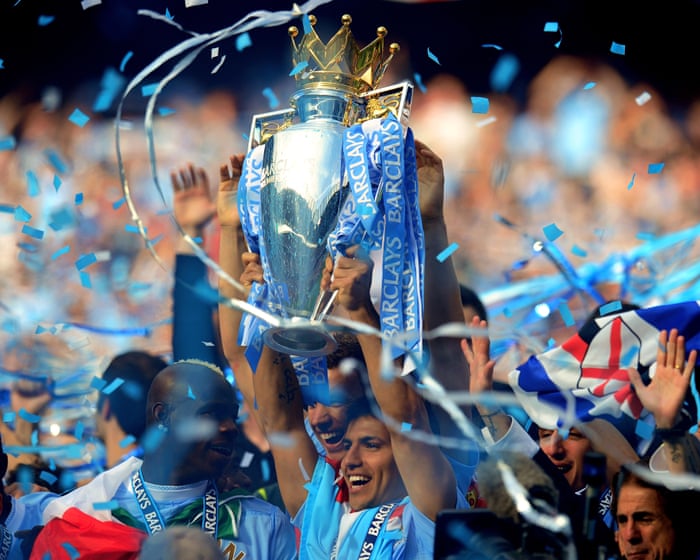
This isn't just about spreadsheets; it’s about the soul of the game. During the years under investigation, City transformed from a club that hadn't won a trophy in 35 years into an absolute powerhouse, winning five Premier League titles and the Champions League under Pep Guardiola. Even when UEFA tried to ban them from the Champions League in 2020 for similar deceptions, the club successfully appealed, though they were slapped with a €10m fine for failing to cooperate. Now, with an independent commission ruling against them, the pressure on City is at an all-time high.
Why it matters
This is a major L for Manchester City’s image. It calls into question the legitimacy of their golden era and proves that even the biggest clubs aren't untouchable when the league finally comes for their receipts.