The tech fail
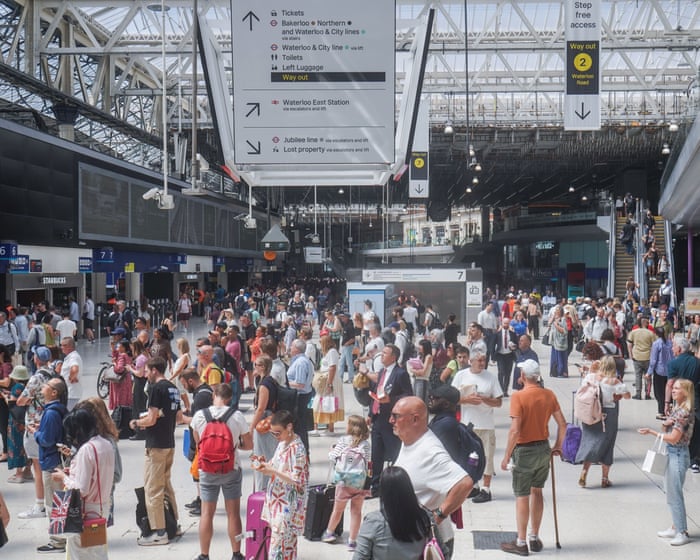
Real talk: London’s big experiment with live facial recognition (LFR) in railway stations is looking like a total L. Over a six-month period, the British Transport Police (BTP) spent £320,786 of taxpayer money and nearly 100 hours of police labor to monitor half a million commuters. The goal? Catching people on police watchlists. The result? Zero arrests and one single, incorrect identification—a.k.a. a false positive.
Despite this, the BTP is doubling down. They’ve already announced a four-month extension of the trial, expanding the tech into London Underground stations. Transport for London claims the move is meant to target sexual harassment and violence against women, aiming for “maximum impact” at key hubs.
The privacy debate
Experts and officials are side-eyeing this move. Fraser Sampson, an industry consultant, noted that while the tech might work in a controlled environment like a shop, using it to scan crowds on public transport is a different beast entirely. It’s giving major privacy concerns.
Others are even more direct. Labour MP Bell Ribeiro-Addy called the rollout a “serious invasion of our privacy,” arguing that the government should hit pause until there’s a solid legal framework to keep our data safe. The parliamentary joint committee on human rights recently flagged LFR as a massive risk, yet it’s spreading—more than half of the police forces across England and Wales have already started using it on the streets.
Why it matters
The BTP claims they’ve made arrests for things like assault and theft during these deployments, but admitted those didn't actually come from the facial recognition alerts. With the London mayor’s office moving to install permanent LFR cameras on Oxford Street, the debate over whether this tech is actually a security W or just a massive waste of privacy and funds is only getting louder. The plot thickens as the city races toward more surveillance.