The numbers are vibing
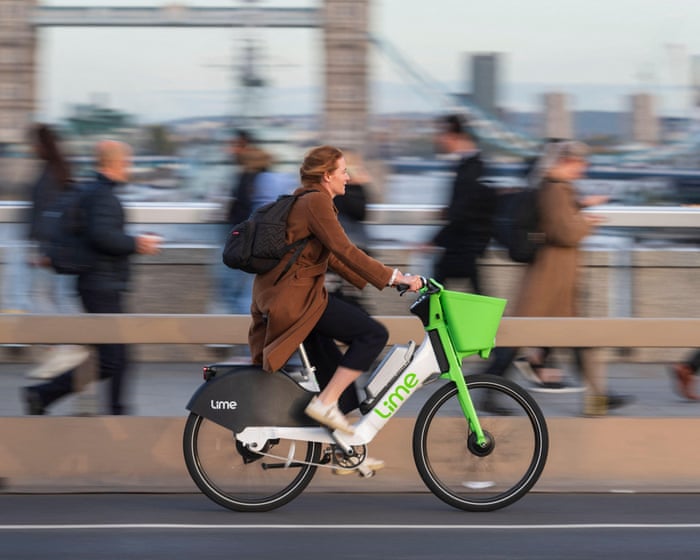
It’s official: Lime bikes are taking over. The company's UK arm just dropped its latest accounts, and the growth is, frankly, massive. We’re talking profits more than doubling to £4.7m, up from £1.7m the year before. Sales jumped by a third, hitting £148m in 2025. With monthly users up 31% to nearly 700,000, it’s clear these bikes have main character energy on the streets of London, Oxford, Nottingham, and beyond.
Lime added 4,500 more ebikes and scooters to its fleet, bringing the total to about 38,000 across the country. Even though they’re raking in the cash, their corporate headcount remains low at just 54 people, as they lean heavily on self-employed contractors to handle the logistics.
The plot thickens on safety
Real talk: not everyone is loving the rise of the dockless ride. While celebs like Timothée Chalamet and Kim Kardashian have been spotted using them, the bikes are also hitting a rough patch when it comes to public perception. Pedestrians and disability advocates are highkey frustrated by bikes being dumped on pavements, causing accessibility nightmares.
Then there’s the "Lime bike leg" phenomenon—injuries caused by the heavy bikes falling on riders—and reports that rental bikes were involved in nearly a third of cyclist-pedestrian collisions that required police. Local authorities are definitely feeling the frustration, with London boroughs seizing thousands of bikes this year to stop the street clutter. Lime is trying to pivot with a new bike model featuring a repositioned battery, but the friction remains real.
Why it matters
Lime is a massive player in urban mobility, and as the English devolution bill gives local councils more power to regulate parking and safety, the company is going to have to work harder to keep these cities on its side. It’s a W for the company’s bottom line, but the infrastructure drama is only just getting started.