The New Search Reality
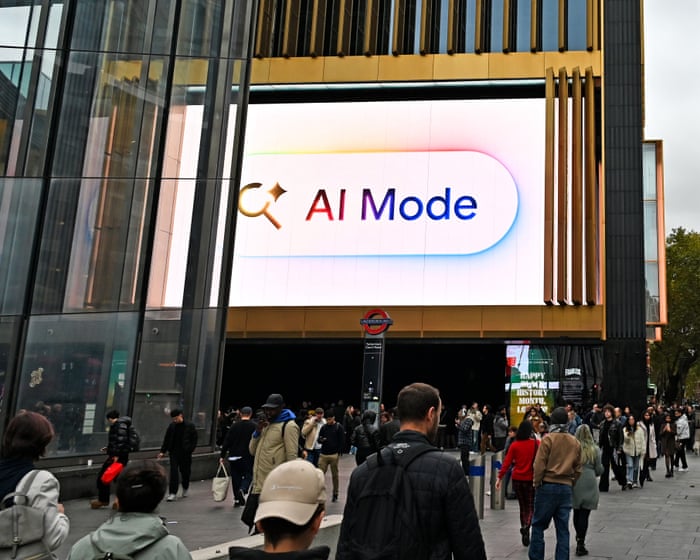
Google has officially entered its AI era, and honestly? It’s a mood shift for the entire internet. By putting AI Overviews front and center, Google is forcing us to scroll past machine-generated summaries before we ever hit an actual website. While Liz Reid, Google’s VP of Search, calls this the "most significant upgrade" to the platform ever, it’s definitely causing some friction.
The Great Debate
Depending on who you ask, AI Overviews are either the best thing since sliced bread or a straight-up nightmare.
Fans of the tech, like recovery coach Jose Garcia Jr., love that it cuts out the tedious work of digging through ranked lists. For others, it’s about accessibility; 90-year-old retired teacher Samuel Lieberstein calls it a "wonderful tool" for grasping complex topics. But there’s a major catch: trust. Even supporters admit the AI can be straight-up wrong, sometimes even apologizing for lying to them.
Why Everyone is Lowkey Stressed
The backlash isn't just about bad vibes; it’s about the economy of the internet. Clicks pay the bills for media outlets, and with people staying on Google.com to read the AI summary instead of clicking through to sources, traffic is tanking. Large media companies are currently dragging Google to court over it, though Google claims the data on traffic decline is based on "flawed methodologies."
Many power users are now actively seeking an exit strategy. From using browser extensions to block AI to switching to search engines like DuckDuckGo or Ecosia, the "old Google" loyalists are voting with their feet. As one student, Catherine O’Leary, put it, the new feature feels like a "water-wasting AI behemoth."
Why it matters
Google was once the definitive gateway to the web, but by prioritizing AI summaries, it’s effectively keeping users inside its own walls. If this trend holds, we might be looking at a future where we spend less time exploring the internet and more time trapped in a curated AI bubble.