The new school policy
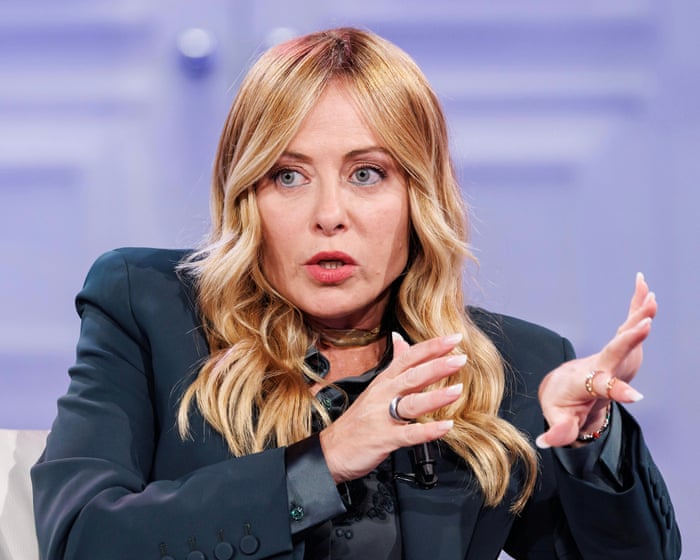
Italian Prime Minister Giorgia Meloni has passed a decree that mandates a 30% cap on students who don't have an adequate grasp of the Italian language in any single classroom. Starting in the 2027-28 school year, the decree also officially prohibits students from wearing burqas or niqabs in schools.
Education Minister Giuseppe Valditara noted that these rules will impact roughly 1,000 classrooms—a tiny 0.3% of the country’s total. If students continue to struggle with language integration, the policy dictates that their parents will be referred to social services and forced to attend free literacy classes, with fines up to €1,000 if they refuse to comply. Students born in Italy or those who have been through the local school system for a few years are exempt.
Why it’s happening
Real talk: the vibes in the Italian government are pretty tense. Meloni, who leads the far-right Brothers of Italy party, is dealing with a new challenger on the right: the Futuro Nazionale (FN) party. Led by Roberto Vannacci, the FN has been gaining traction in the polls with an extreme platform that includes “remigration.”
Political experts suggest Meloni is lowkey panicking about losing her base to this newer, more radical competition. Many of her former supporters feel she’s softened her stance on the EU and immigration since actually taking office. By creating these new "crises" in the school system, she’s trying to reclaim that right-wing energy.
The backlash
Critics aren't buying the "commonsense" framing Meloni is using. Daniela Ionita from the group Italians Without Citizenship pointed out that many "foreign" students were actually born in Italy and face enough barriers to citizenship as it is. It’s giving classic political theater—manufacturing an emergency to distract from the fact that the government’s actual economic and social program is pretty much falling apart.
Opposition leader Elly Schlein called the decree "shameful," noting that Italian families are actually stressed about crumbling school buildings and low teacher pay, not a manufactured culture war. Save the Children also warned that this essentially divides students into "first-class" and "second-class" tiers.
Why it matters
With elections coming up in spring 2027, this looks like a strategic pivot toward a much more aggressive, polarizing campaign. By focusing on high-emotion topics like migration and identity, Meloni is betting she can out-maneuver her rivals, even if it creates real-world impacts for migrant communities in the process.