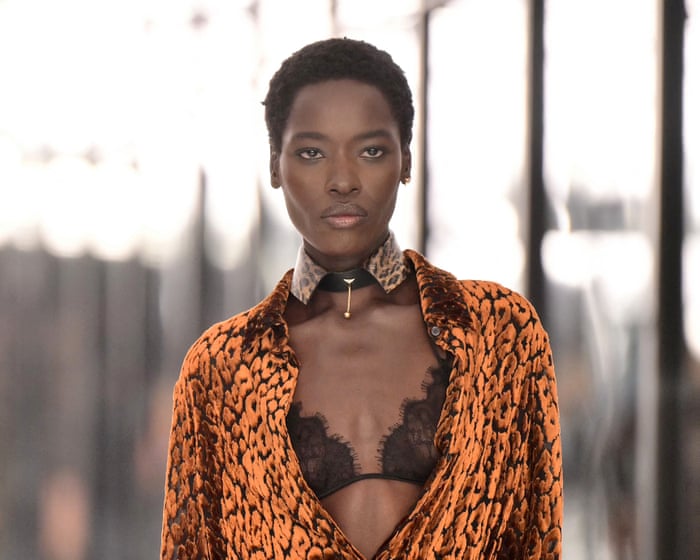
A nod to a pop culture trailblazer
Maria Grazia Chiuri is shaking things up at Fendi. For her second ready-to-wear season, the designer took inspiration from the late Italian pop legend Raffaella Carrà. Known for her iconic bob, love of sequins, and sex-positive lyrics, Carrà wasn't just a singer—she was a boundary-pusher. She famously brought the first bare midriff to Italian television in 1970 and championed the idea that women should take charge in their relationships.
Chiuri described Carrà as an “incredible feminist,” noting that her style was defined by complete freedom. This spirit was all over the runway. Models strutted in sheer 1970s-style dresses, lace bras, and vintage-inspired fur stoles, while menswear pieces featured deep-cut, unbuttoned shirts. It’s a vibe that feels both nostalgic and refreshingly bold.
Tech giants take the runway
While Fendi made waves, the biggest spectacle of Milan Fashion Week was the Vogue World show. Taking over the Galleria Vittorio Emanuele II, the event brought together stars like Jennifer Lopez, Cardi B, and Alicia Keys. However, it also highlighted a shift in how fashion events are funded. With sponsors like OpenAI and Meta Glasses, the show included a dance performance by two robots. The reception was mixed, with some online observers quipping that "the landlords have entered the chat" as tech giants become increasingly embedded in high fashion.
Why it matters
Fashion is increasingly blending pop culture history with cutting-edge corporate sponsorship. While designers like Chiuri are using their platforms to celebrate feminist icons and personal expression, the presence of big tech at fashion events signals a new era where runway shows are becoming major commercial productions funded by the very platforms that track our digital lives.