The Core Strategy
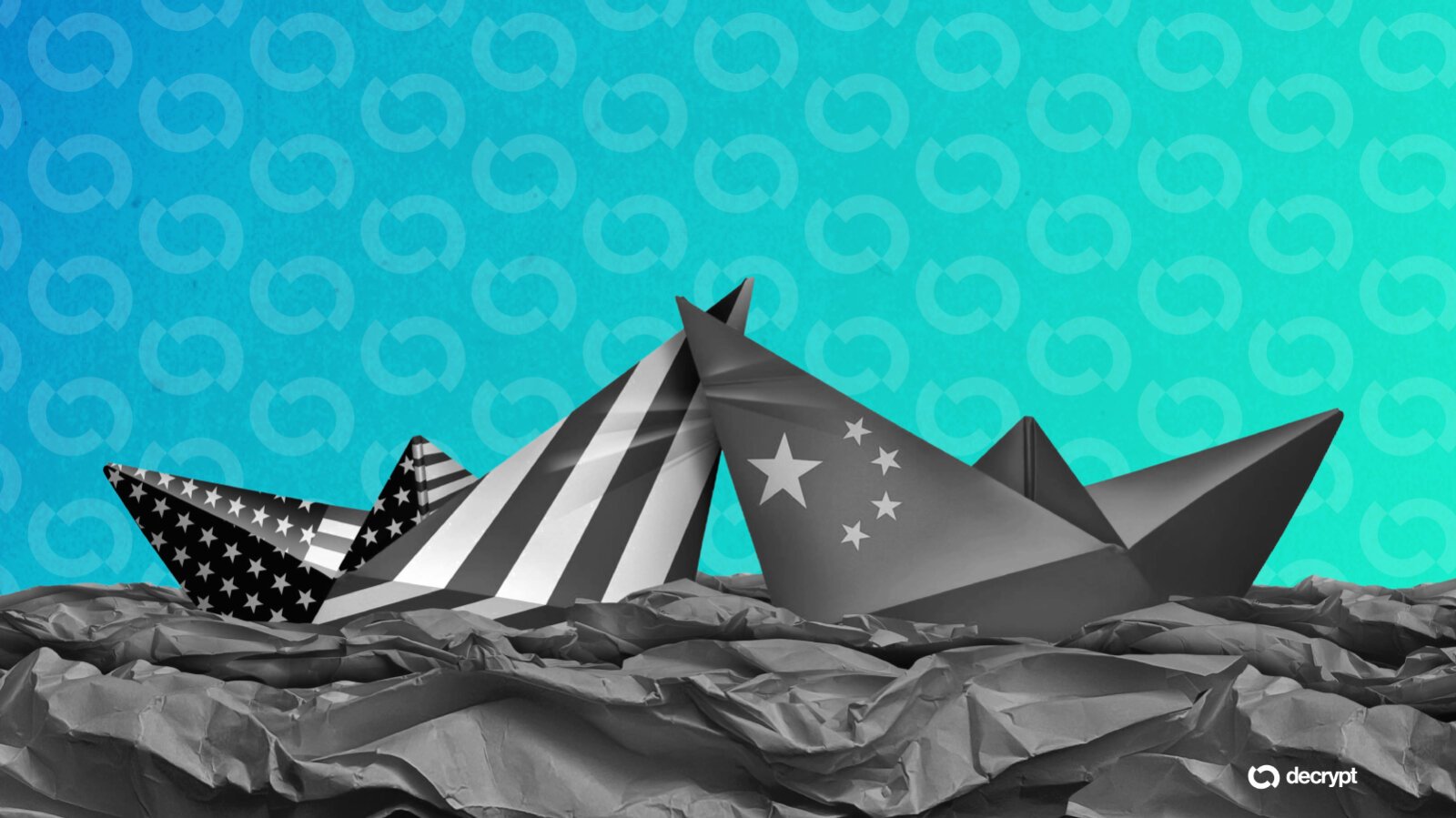
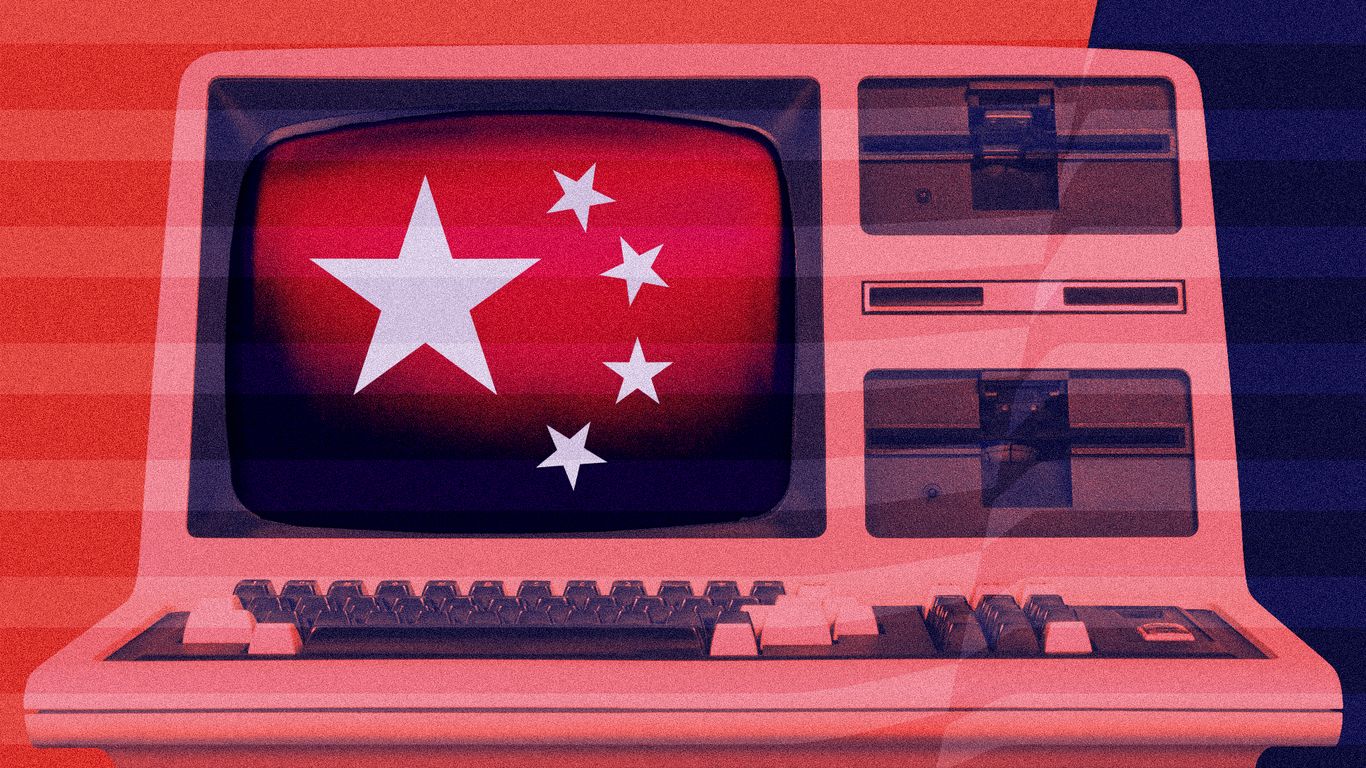
If you think the AI race is just about who builds the smartest bot, think again. The U.S. and China are running two totally different plays. While America is hyper-focused on developing world-leading super-intelligence, China is lowkey obsessed with state control and getting AI into every corner of their society.
China’s goal is to integrate AI into 90% of their economy by 2030. They aren't stressing about "doomer" scenarios or white-collar job loss—they’re worried about AI turning into "cognitive warfare" against the government. Chen Yixin, China’s spy chief, publicly warned that AI could threaten their political and ideological security.
The Reality Check
It’s not all Ws for China. They have massive domestic hurdles: an aging population, a housing crisis, and youth unemployment hitting 19%. Plus, they’re still struggling to catch up on chip production, as Nvidia remains the king. But where China hits different is in the physical ingredients for scaling: they have way more power capacity, dominate the minerals needed for hardware, and are absolutely crushing the robot game. In 2024, more than half of all industrial robots installed worldwide went to China.
Who’s winning?
China currently trails the U.S. in cutting-edge tech by about six months, but their models are insanely cheap and accessible. Developers everywhere are using Chinese open-source models like Moonshot’s Kimi K3, Alibaba’s Qwen3.8-Max, Zhipu’s GLM-5.3, and DeepSeek.
There’s also a bit of drama brewing: U.S. officials think Chinese labs are "distilling" American tech—basically grilling our AI with millions of questions to learn how they work. Washington has threatened sanctions, but hasn't pulled the trigger yet.
The Vibe Shift
Real talk: Chinese citizens are way more bullish on AI than we are. About 84% of Chinese people say they’re excited by it, compared to only 38% of Americans. Whether it’s in schools, hotels, or stores, they’re integrating it into daily life at a pace that makes the U.S. look hesitant.
Why it matters
This isn't just tech jargon. Whoever dominates the AI supply chain—from the power plants to the drones—is going to set the global standards for the next few decades. If China successfully rolls this out across their massive economy, it changes the game for global military and economic power, meaning the tech you use and the job market you enter could look very different depending on who comes out on top.