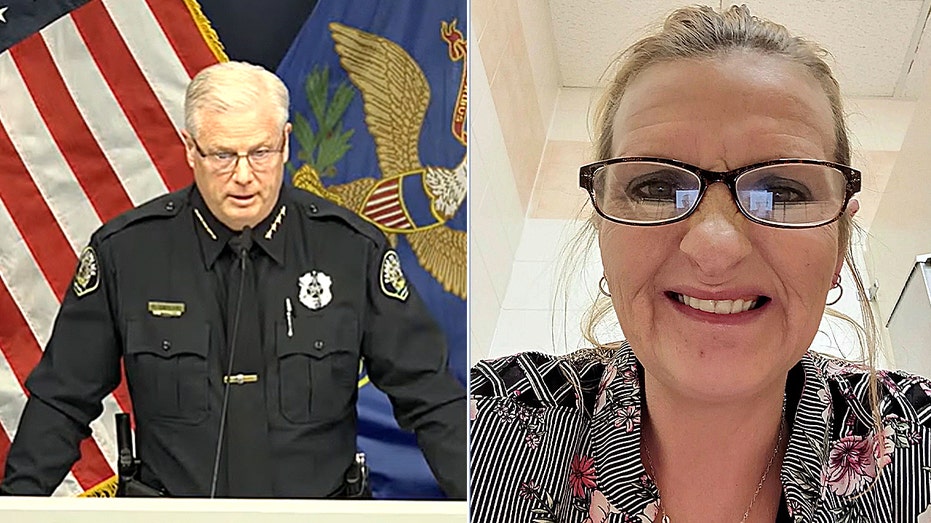
Imagine chilling at home, watching your neighbor's kids, when suddenly you’re staring down the barrel of a gun. That was the reality for Angela Lipps, a 50-year-old grandmother from Elizabethton, Tennessee, back in July 2025. She wasn't a criminal, but the cops thought she was a bank robber from North Dakota.
Real talk: she wasn’t even in the state when the crimes happened. Lipps is now suing the city of Fargo and its police department, claiming they treated a sketchy AI facial recognition match like it was gospel truth. According to the lawsuit filed this month, investigators took one look at a photo from a fake ID used by a bank thief, ran it through Clearview AI, and decided it was a perfect match.
While Clearview AI is supposed to be just a lead, the complaint alleges that Fargo police treated the result as a positive ID without double-checking anything. Meanwhile, West Fargo police reportedly looked at the same tech, realized it was giving major ‘the vibes are off’ energy, and dropped it.
Lipps spent 108 days locked in a Tennessee jail waiting for justice. She lost her home, her car, and her belongings while stuck behind bars. It wasn't until Christmas Eve 2025 that prosecutors finally dropped the charges, after she proved with bank records that she was hundreds of miles away during the robberies. Surveillance footage even showed the real suspect had a totally different build and lacked a neck tattoo that Lipps clearly has.
The bigger picture
This isn't just a one-off L. Experts say this is the 16th known time someone has been wrongfully arrested due to AI-fueled police work. Clare Garvie from the Policing Project and Nate Freed-Wessler from the ACLU both warned that as agencies rush to use these tools without proper guardrails, the risk of more innocent people getting caught in the crossfire is high. Fargo’s leadership has since admitted to “investigative errors,” but for Lipps, the damage is already done.
Why it matters
This case is a massive wake-up call about how police use tech. When law enforcement relies on algorithms over actual evidence, regular people's lives can be upended in an instant. It’s a prime example of why we need serious rules for AI before it does more harm.