The diplomatic pivot
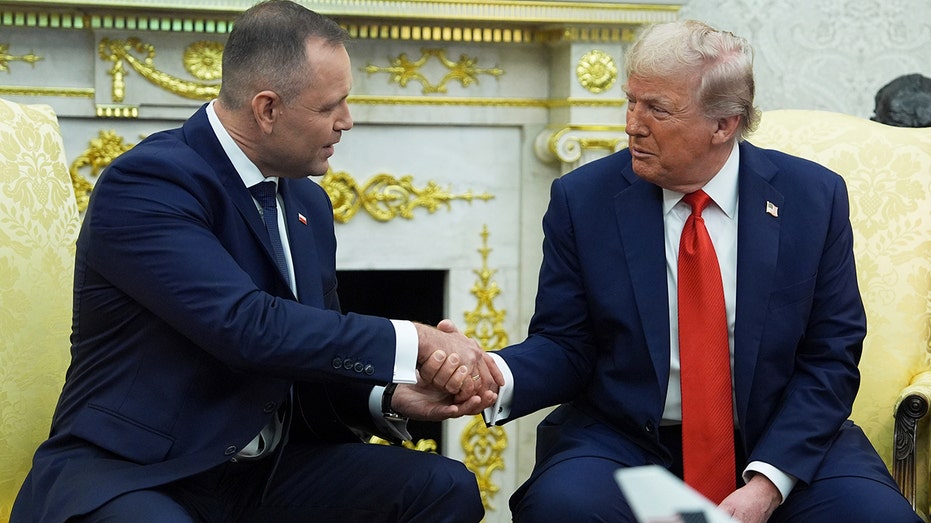
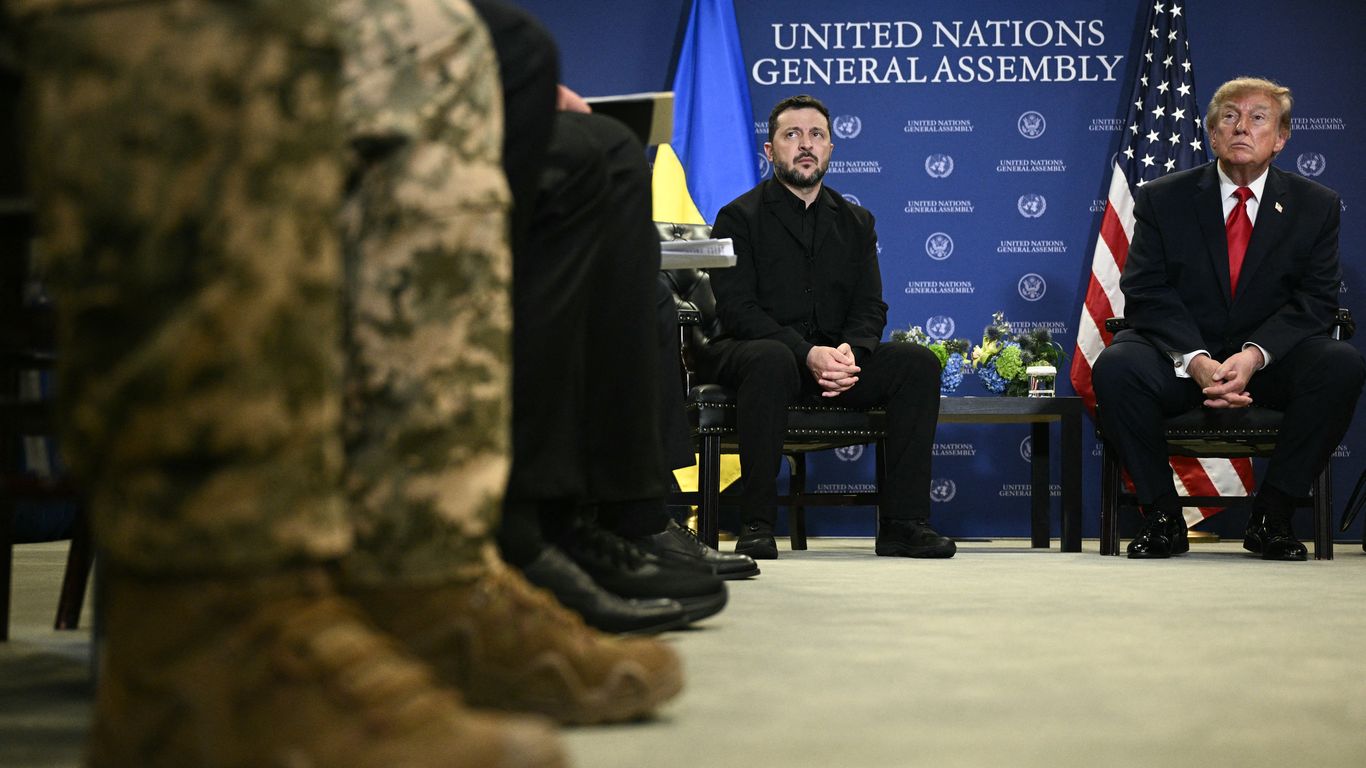
President Trump is making a renewed push to thaw the frozen conflict between Ukraine and Russia. According to President Volodymyr Zelensky in an interview with Axios, the White House has proposed three key de-escalation steps: a mutual ceasefire on energy infrastructure, the reopening of the Black Sea grain corridor, and a trilateral summit between the U.S., Russia, and Ukraine.
The energy factor
Real talk: this isn't just about altruism. The U.S. has a massive economic incentive to stop Ukraine from targeting Russian diesel facilities. These strikes have sent shockwaves through global oil markets, and the administration is looking to stabilize those punishing prices before winter. Zelensky confirmed he is ready to agree to an energy ceasefire, but the vibes are off regarding Russia’s willingness to play ball.
Can it actually happen?
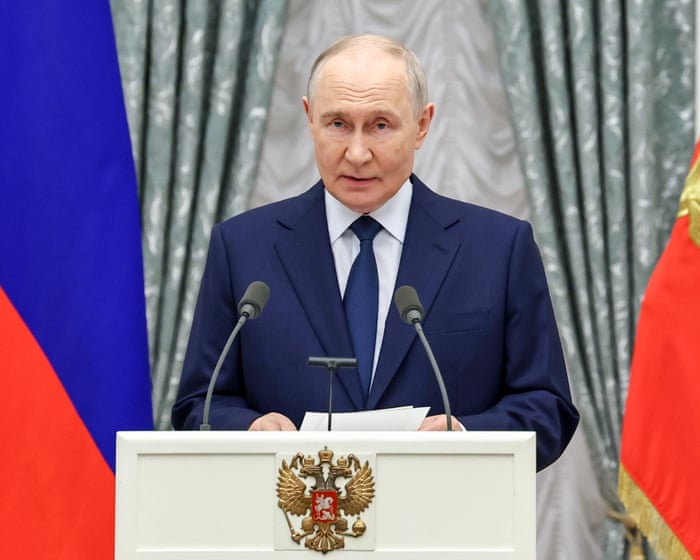
While Trump envoys Steve Witkoff and Jared Kushner have expressed optimism following their meetings with Vladimir Putin in Moscow, Zelensky remains highkey skeptical. The Kremlin essentially threw cold water on the idea Wednesday, claiming conditions for peace talks aren't there. The plot thickens even further because, despite the diplomatic chatter, Russia launched multiple ballistic missiles toward Kyiv while the U.S. push was being discussed.
Next steps
Trump is reportedly eyeing the December G20 summit in Miami as a potential venue for a high-level meeting. For now, U.S. and Ukrainian teams are refining the proposals, with follow-up meetings planned for this week in New York. Whether Putin actually shows up to the table or keeps the pressure on remains the million-dollar question.
Why it matters
If the U.S. can pull this off, it would be the first real diplomatic breakthrough in years. However, with missile strikes continuing and both sides deeply distrustful, the potential for a total stalemate is very real.