The shift
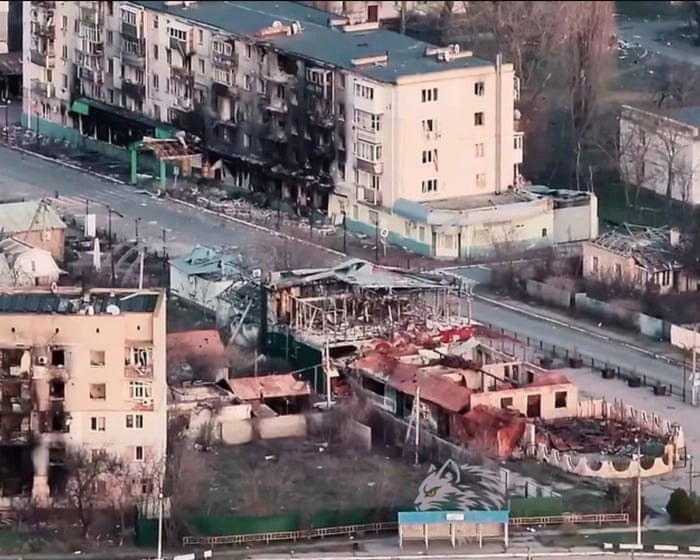
Real talk: the fragile peace Yemen has been experiencing since the 2022 UN-mediated ceasefire is effectively over. After four years of things staying relatively static, a new military campaign launched by the Houthis in September has hit the country hard. The goal? To seize strategic highlands and supply lines near Taiz.
The human cost
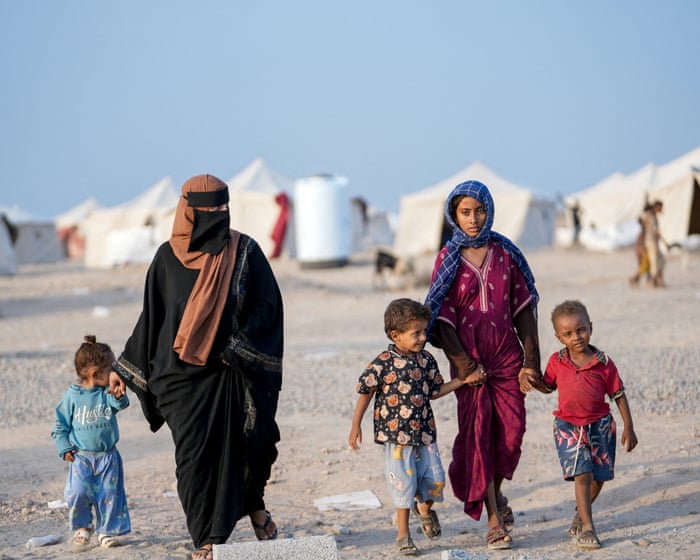
It’s giving a total humanitarian crisis. Over 130,000 people have been forced to flee their homes as the violence spreads. Take 13-year-old Muneer Farie, for example. He went from dreaming about being a teacher to selling socks in a displacement camp just to help his family eat. He’s now part of the 3.2 million children in the country whose education has been completely derailed by the war.
Schools in the area are also shutting down for safety. Abdulwasea Abdu, a local school principal, had to close his doors after a missile landed right near his students, leaving the kids traumatized. “The area faces fighting from multiple fronts,” Abdu explained, noting that with the schools closed, he’s terrified these kids will be pushed into permanent child labor just to survive.
Why it matters
Beyond the immediate danger, the fighting has severed a major road artery between the port city of Mocha and Taiz. This is a massive L for the local economy, as it’s one of the few routes capable of handling trucks carrying essential goods. Prices for basics are spiking, and for families living in displacement camps, it’s becoming lowkey impossible to afford food. The vibes are off, and as displaced people continue to arrive in camps daily, there’s no clear end in sight.