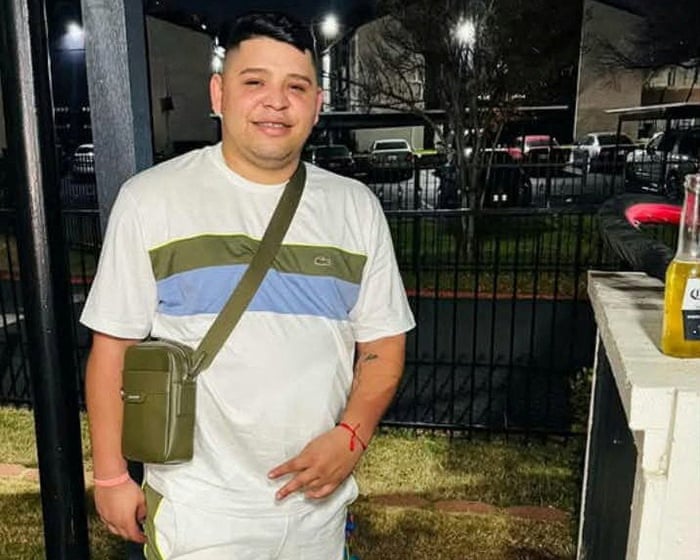
The situation surrounding the shooting of 28-year-old Wilber Rafael Garcés Pérez is getting highkey messy. After being shot by federal immigration officers during a traffic stop in Austin, Texas, Garcés Pérez is currently in federal detention with a bullet lodged in his back. According to his supporters, he desperately needs surgery to prevent permanent nerve damage and loss of feeling on his left side.
The Medical Dispute
Congressman Greg Casar, who visited the detainee on Wednesday, reported seeing Garcés Pérez in a wheelchair with his arm in a sling. He emphasized that the situation requires immediate action, stating that if Garcés Pérez and his wife authorize the procedure, ICE needs to expedite the care.
However, the Department of Homeland Security (DHS) is pushing back, claiming they provide "comprehensive medical care" to detainees. They also disputed claims that Garcés Pérez was forced to sleep on the floor. His attorney, Kate Lincoln-Goldfinch, noted that communication with her client has been restricted, leaving her concerned about transparency, especially since the officer who shot him allegedly wasn't wearing a body camera.
The Plot Thickens
There is some major drama regarding the events leading up to the shooting. Garcés Pérez, who was working as a DoorDash driver, claims he didn't realize he was being pulled over by federal agents and was simply trying to find a safer place to stop when his car was struck by an ICE vehicle.
On the flip side, Austin police released video footage that contradicts parts of his story, showing him stopped in traffic with agents nearly ten minutes before the incident. This has caused a stir in the city, leading to student walkouts and calls from local leaders like Mayor Kirk Watson for ICE to end random traffic stops and questioning of immigrants. Garcés Pérez is currently seeking a visa as a victim of violent crime while his legal team fights a pending removal order.
Why it matters
This incident is a massive L for community relations in Austin, sparking heated debates over the reach of federal immigration enforcement. With the FBI, DHS, and local police all investigating, the case has become a flashpoint for migrant rights and police accountability.