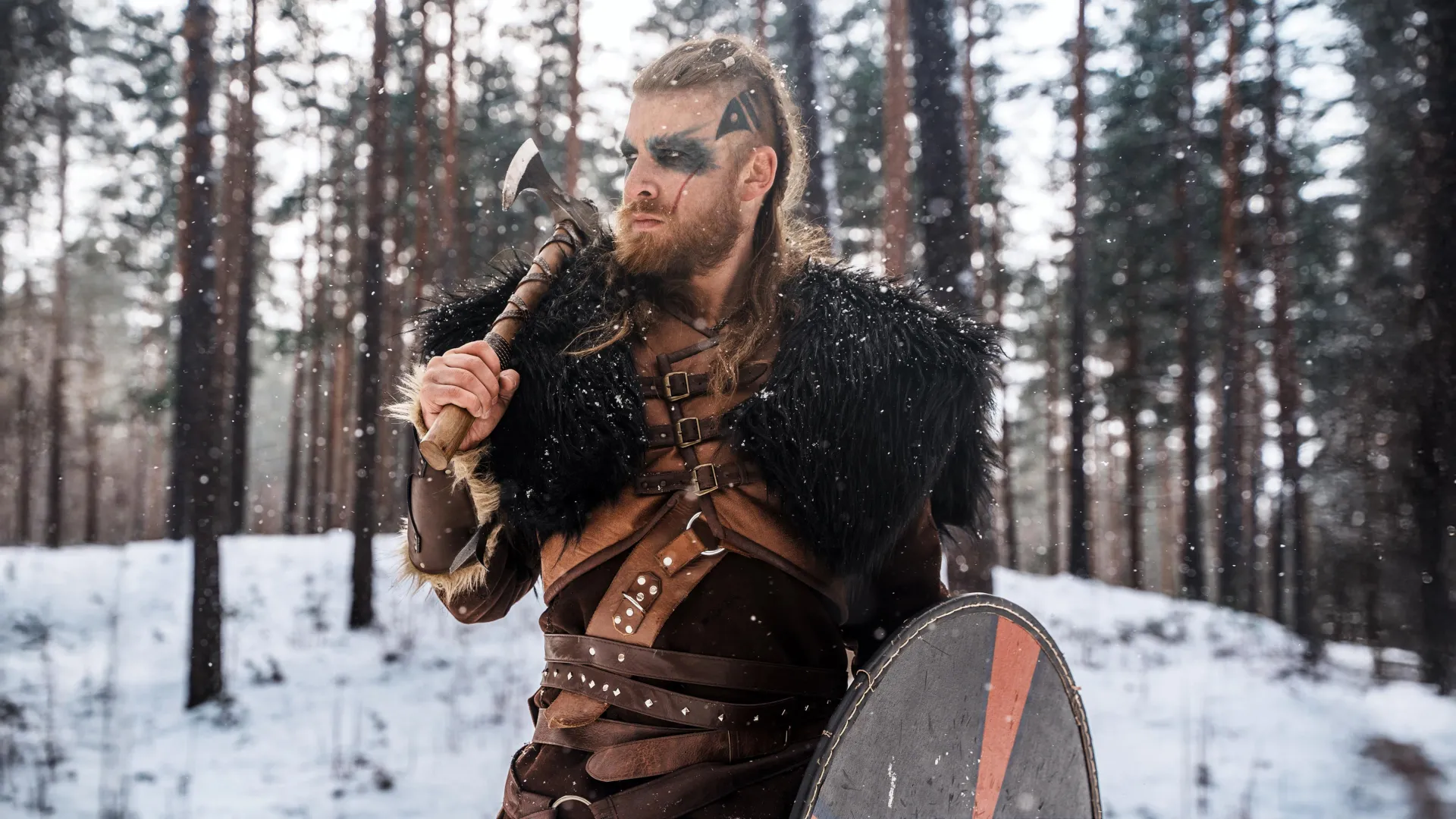
If you’re planning a trip to Scandinavia to get your Viking fix, you’ve got options. From the massive collection in Stockholm to the upcoming museum in Oslo, Vikings are basically the main character of Scandinavian national identity. But real talk? The version of the Viking Age you see on display is often a major vibe check that doesn't quite match reality.
The warrior myth is a total trap
When you think of a Viking, you’re probably picturing a tall, ripped guy with a skin fade and tattoos, swinging a giant sword. That image is basically a myth. Curators at top museums know this isn't the full picture—Vikings were actually a super diverse group of farmers, merchants, and seafarers—but they struggle to shake that 'warrior' aesthetic because it’s what tourists expect.
Women are being sidelined
Even when museums try to be inclusive, the representation of women feels a bit mid. They usually focus on 'exceptional' women like shieldmaidens or high-status aristocratic ladies, which leaves the average, everyday woman totally invisible. It’s giving gender stereotypes, with too much focus on traditional home roles rather than the complex, nuanced lives they actually lived.
Why it matters
Museums aren't just showing dusty artifacts; they’re trying to build a national narrative. Since the 1800s, the Viking Age has been used to define what it means to be Scandinavian, often pivoting to fit whatever the current political vibe is—like highlighting past encounters with Muslim cultures to combat modern-day nationalism. It turns out, how we display the past says a lot more about our current values than it does about what actually went down 1,000 years ago.