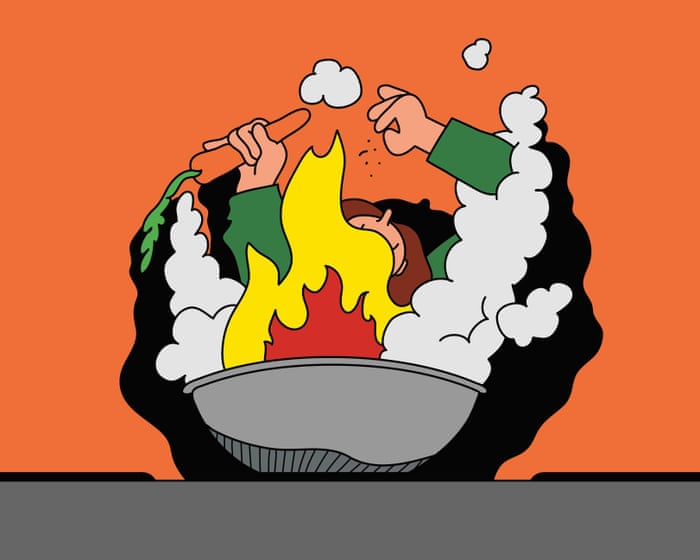
The 'Harder' Trap
If your current personality is just 'grind until I burn out,' you might want to sit down for this. Lindsay Crouse, a former opinion writer and producer at the New York Times, is spilling the tea on why our obsession with 'never quitting' is lowkey ruining our lives. In her new book, The Case for Quitting: The Surprising Benefits of Opting Out, Crouse explains that she used to be the ultimate high-achiever—Harvard degree, career ladder climbing, and marathon running on the weekends. But then, life happened (kids, anyone?), and the facade started to crumble. She realized she was just burning the candle at both ends because she thought 'going harder' was the only way to win. Real talk: it wasn't.
Develop Your 'Quitting Intelligence'
Crouse isn’t saying you should give up on your dreams at the first sign of a minor inconvenience. Instead, she’s pushing for 'quitting intelligence.' It’s all about knowing the difference between a temporary struggle and a total lost cause. Humans are the only species that ignore their own 'futility counters'—those internal biological signals that basically say, 'bestie, stop, this is not working.' Even zebrafish know when to call it quits in a strong current, but we somehow convinced ourselves that suffering through something that isn't working is a main character trait. Spoiler: it’s not, it's just self-sabotage.
Setting 'Kill Criteria'
How do you stop the cycle? Crouse suggests using 'kill criteria'—a concept from decision scientist Annie Duke. Basically, you set specific goals or boundaries before you dive into something, so you don't get trapped by your own emotional investment. Whether you’re stuck in a 'hope-selling' industry like dating apps or a job that is clearly not it, you need to own your choices. If you say you 'can't' leave a job or a partner, ask yourself why. If you’re just afraid of the unknown, that’s a decision to stay, but you should at least admit it.
Why it matters
When you say yes to everything, you’re lowkey saying no to the stuff that actually matters. By quitting the things that aren't serving you, you clear space to commit to what is actually meaningful. It’s not about being a failure; it’s about having the self-awareness to pivot so you can eventually win.