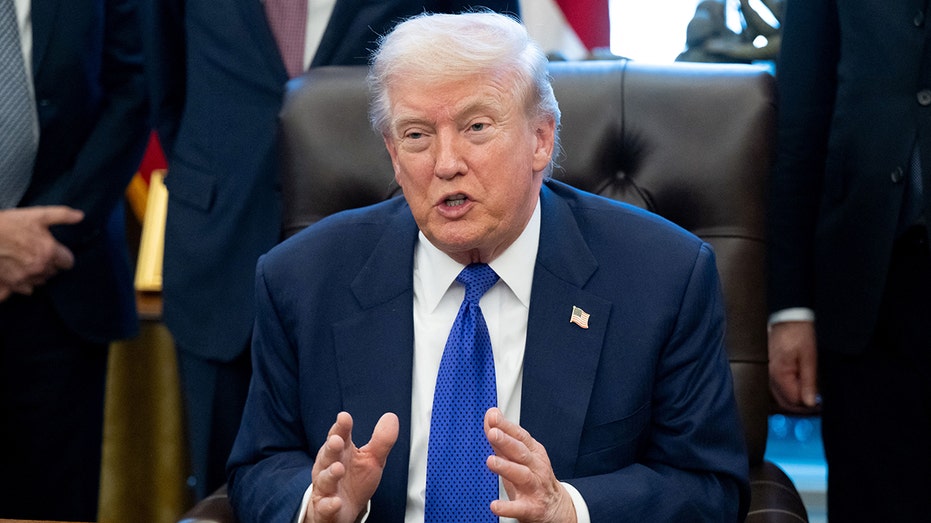
The vibes between Washington and Ottawa are officially off. As of today, the U.S. has officially blocked several Canadian imports—including alcohol, dairy products, and motorcycles—in the latest move of an escalating trade war.
How we got here
It’s giving messy breakup energy. This move follows Canada slapping tariffs on a slew of U.S. goods earlier this month after trade negotiations completely stalled. President Donald Trump, who’s made tariffs a core part of his economic platform, isn't sweating the friction. U.S. trade representative Jamieson Greer told CNBC last week that the White House feels "no urgency" to reach a new deal, noting that the President is comfortable with the current standoff.
Who wants what
Trump claims these bans are a reaction to Canada’s "continued discrimination" against American dairy, auto, and alcohol products. He’s been pretty vocal about it, even calling Canada one of the "worst countries in the entire world" for its trade practices.
On the flip side, Canadian Prime Minister Mark Carney is playing it cool, describing the impact of these U.S. bans as "modest." Economists are reading between the lines, with Scotiabank’s Derek Holt suggesting the bans are more about the U.S. saving face than making a real structural change. However, it’s not all sunshine—93% of Canada’s liquor exports went to the U.S. in 2025, and industry groups say the hit to local producers could be significant.
Why it matters
Real talk: this is more than just a pricing dispute. While Trump argues that tariffs force people to shop American, experts point out that this is just making everyday goods more expensive for everyone and disrupting the global market. With 50% tariffs already hitting steel and aluminum and Canada firing back with taxes on over 700 U.S. items, the uncertainty is highkey stressing out businesses on both sides of the border.