The main stage showdown
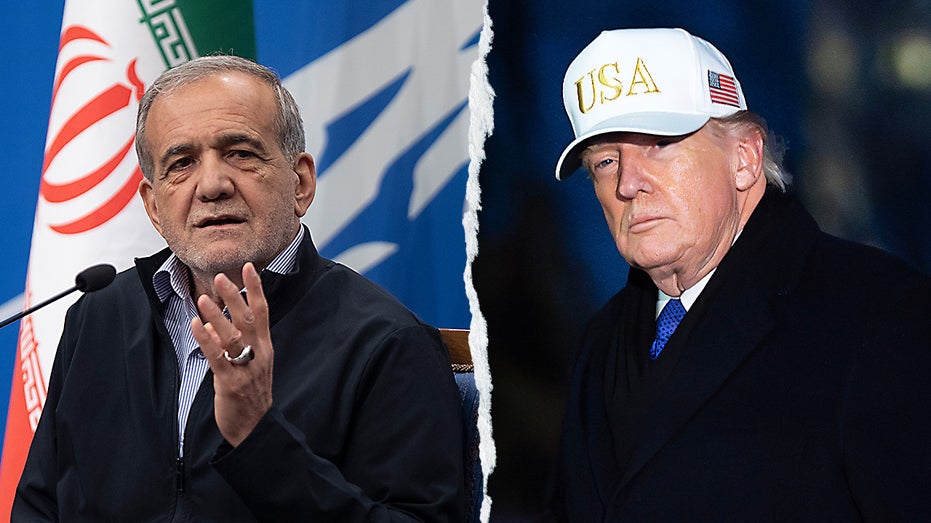
Real talk: the tension between Washington and Tehran is at an all-time high. This week, Iranian President Masoud Pezeshkian and President Donald Trump both took the stage at the UN General Assembly in New York, and the vibes were off. Pezeshkian painted a picture of Iran as a victim, telling the assembly that his country has been under "cowardly attacks" by the U.S. and Israel, and doubled down on the claim that they aren't the aggressors.
Trump, meanwhile, went full main character energy, using his time at the podium to warn Iran of a potential "annihilation" if they don't reach a deal, essentially putting the ball in their court to choose between destruction or a way out.
The backchannel plot thickens
While the public shouting match is definitely the headline, it’s not the whole story. Despite the aggressive posturing, both sides are reportedly testing a diplomatic path. Trump confirmed that his special envoy Steve Witkoff and Jared Kushner held roughly three hours of talks with Iranian officials on the sidelines. These weren't exactly face-to-face meetups—the discussions were handled through mediators.
Behnam Ben Taleblu, a senior fellow at the Foundation for Defense of Democracies, suggests that Trump likely isn't sweating the public rebukes from Pezeshkian, noting that the president "understands he holds the cards." The general consensus among experts is that this oscillation between public threats and private chats is predictable, with both nations trying to use time as a weapon to force the other into a corner.
Why it matters
At the end of the day, the red lines remain exactly where they were regarding the nuclear program and regional security. Until either side provides a "substantive change" in policy, the public posturing is basically just noise. Everyone is watching to see if the backchannel talks actually turn into an off-ramp or if they’re just another L for diplomacy.