The Dollar’s New On-Chain Flex
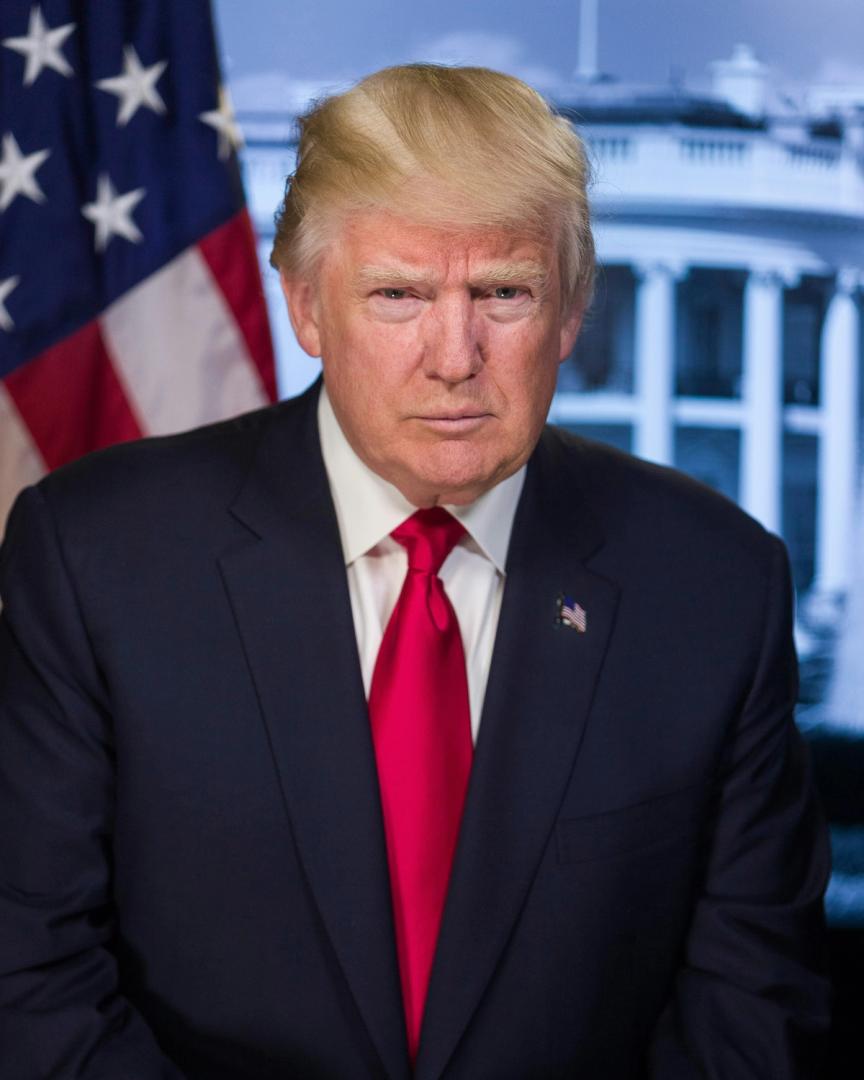
Real talk: the U.S. government is lowkey eyeing stablecoins to keep the dollar as the main character of global finance. According to reports, the Trump administration is cooking up a strategy to partner with private players to push dollar-backed stablecoins overseas. The goal? Keep the greenback on top and create more demand for U.S. Treasury notes.
We’re talking about the Treasury Department, the State Department, and the U.S. International Development Finance Corporation getting involved. Since stablecoins like USDT and USDC are pegged 1:1 to the dollar, they are essentially the tokenized version of the cash in your wallet.
The Debt Connection
It’s giving major power move. Stablecoin issuers are already holding nearly $200 billion in assets, putting them in the top 20 holders of U.S. sovereign debt—which is honestly wild. They keep these reserves in actual cash and "safe" investments like government debt. Treasury Secretary Scott Bessent is already a fan, highlighting that since the dollar runs about 90% of foreign exchange transactions, these tokens are a W for keeping that dominance intact.
Is it all sunshine and gains?
Before you go aping in, remember that this isn't financial advice. While this might look like a win for the U.S. dollar, it could be a massive L for emerging economies. Because stablecoins move on-chain, they bypass traditional banking systems. This makes it super hard for central banks to track the money or stop it from leaving the country during a crisis.
Both the IMF and the Bank for International Settlements are highkey worried that if everyone starts using dollar-stablecoins for daily payments, it could lead to serious capital flight in smaller nations. The vibes are definitely off for those countries, even if the U.S. sees it as a strategic win.
Why it matters
If the U.S. successfully integrates stablecoins into its foreign policy, it changes the game for how money moves globally. It cements the dollar’s status, but it also creates a new, complex frontier for global economic stability that isn't just about price hype—it’s about the backbone of international money.