The legal tug-of-war
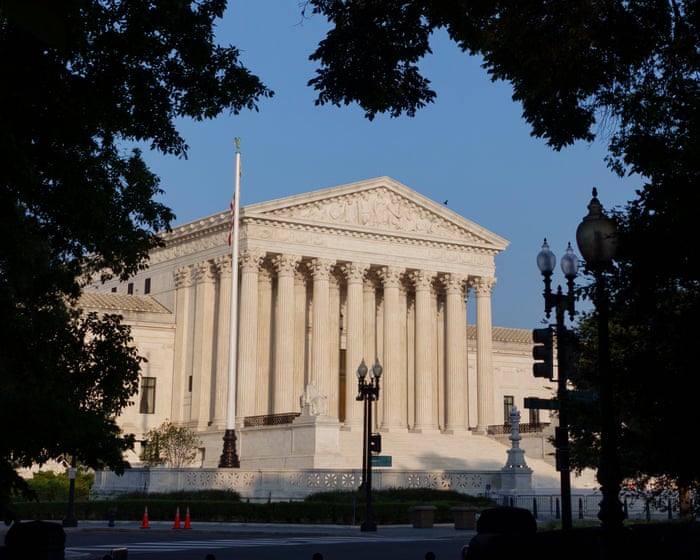
The Trump administration is heading back to the Supreme Court with a fresh strategy to settle a major immigration dispute. They’re asking the justices to decide if criminal migrants can be held in detention without bond for the entire duration of their removal proceedings. The goal is to establish one uniform standard for the whole country, putting an end to the current chaos where the rules change depending on which court district a person is in.
How we got here
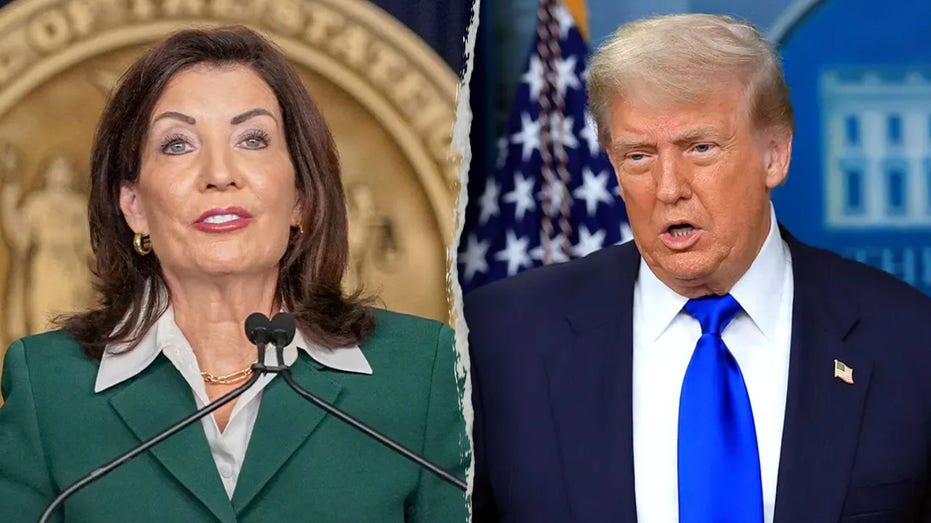
This isn't the first time the High Court has looked at this issue. They were actually slated to hear a similar case, Genalo v. Black, but the situation got messy when New York Governor Kathy Hochul issued a pardon, effectively making that case moot. Now, Solicitor General John Sauer is asking the Court to pick up Genalo v. D.C.—a case involving a Dominican national with a criminal record—to fill the void and finally provide a national precedent.
The “gamemanship” argument
The administration is arguing that the current system is lowkey broken because it incentivizes delay tactics. According to Chad Mizelle, chair of litigation at the America First Policy Institute, detainees sometimes intentionally stretch out their legal proceedings—by switching attorneys or filing endless motions—just to reach a point where they can demand a bond hearing.
Legal experts note that it’s giving “foot-dragging” vibes. Carrie Severino of the Judicial Crisis Network pointed out that some detainees essentially “play both sides,” asking for more time on their own cases while simultaneously complaining that the process is too slow. The administration wants the Supreme Court to intervene now, skipping the usual wait for a final ruling from the Second Circuit, to stop this cycle.
Why it matters
Beyond the scheduling drama, this case is about who carries the burden of proof. The administration wants to shift the requirement so that if a hearing happens, the detainee has to prove they aren't a flight risk or a danger to the community. Getting a clear answer from the Supreme Court would settle a long-standing “circuit split” and set a permanent rule for how these cases are handled moving forward.