The nocturnal plant hack
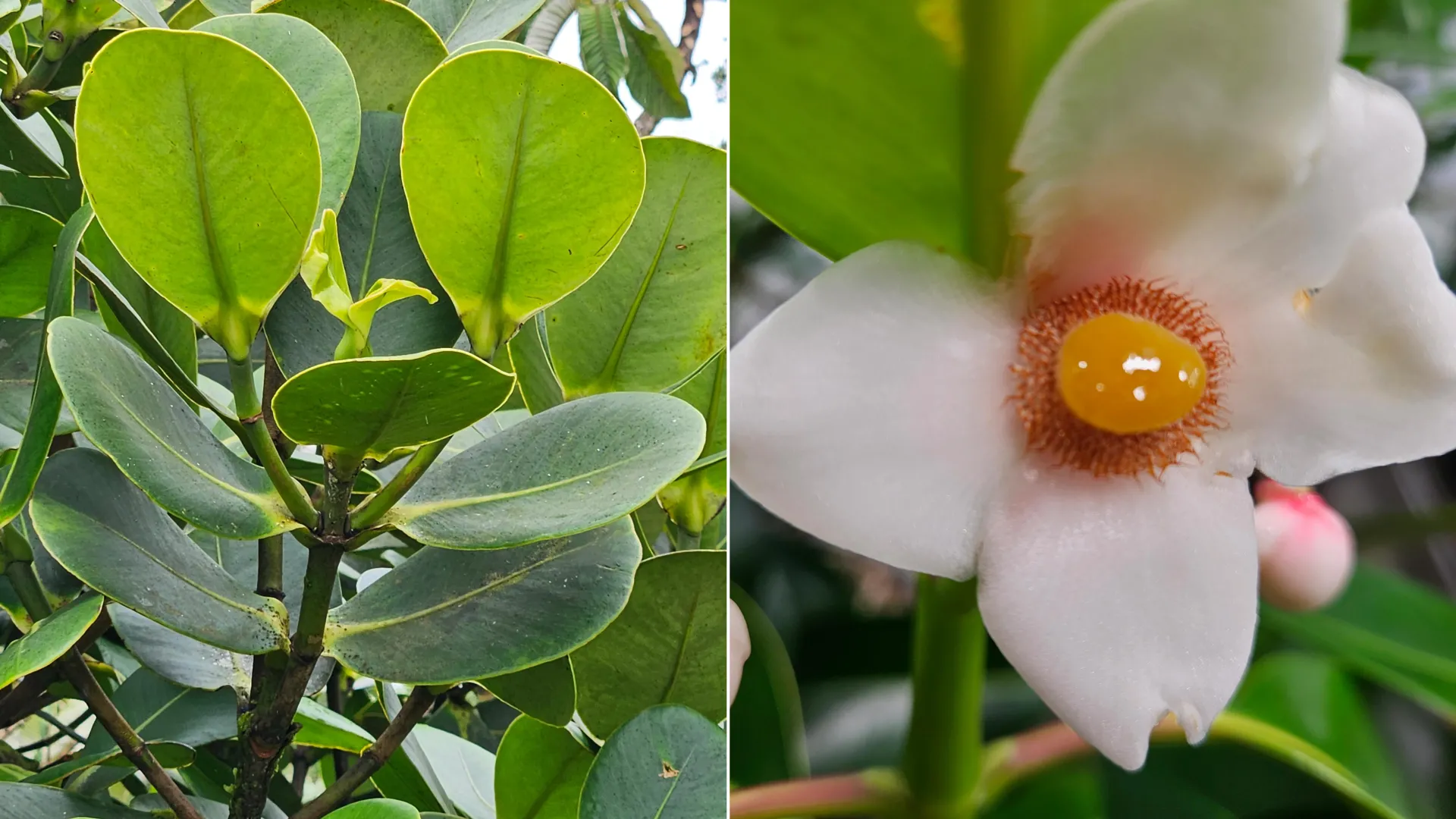
Ever wonder how plants survive when the water runs dry? Most plants use photosynthesis during the day, keeping their stomata (tiny pores) open to soak up carbon dioxide. But for tropical trees in the genus Clusia, that’s a risky move that leads to water loss. To cope, these trees use a super cool, water-efficient strategy called CAM photosynthesis.
Basically, they sleep-breathe. They keep their pores shut during the scorching day to lock in moisture and open them at night to grab CO2, storing it as malic acid to use later. It’s giving major survivalist vibes. Researchers at the University of Vienna just dropped a study in Nature Communications explaining how this evolution went down, and honestly, the science is lowkey fascinating.
It's all in the DNA
Led by Wolfram Weckwerth, the team looked at three Clusia species to see how they pulled off this evolutionary pivot. It turns out these trees are ancient "polyploids," meaning they have extra copies of their genomes from way back in the day. Over millions of years, the plants didn't just hoard those extra genes—they reorganized and rewired them.
"The genomes have not simply multiplied; over millions of years, they have been reorganized, reduced and functionally rewired," says Weckwerth. This genetic plasticity allows different species to adapt in unique ways: some use the night-breathing method all the time, others only switch it on when they're stressed, and some use a hybrid of both systems.
Why it matters
This isn't just about trees in the jungle. Understanding how these plants hack their own metabolism to be so water-efficient is a total W for climate science. If we can map out these processes, researchers might be able to help develop climate-resilient crops that can survive in way drier, harsher conditions. It’s real talk—the more we learn from how nature adapts to drought, the better our chances of securing our own food systems as the planet gets hotter.