The geopolitics of your feed
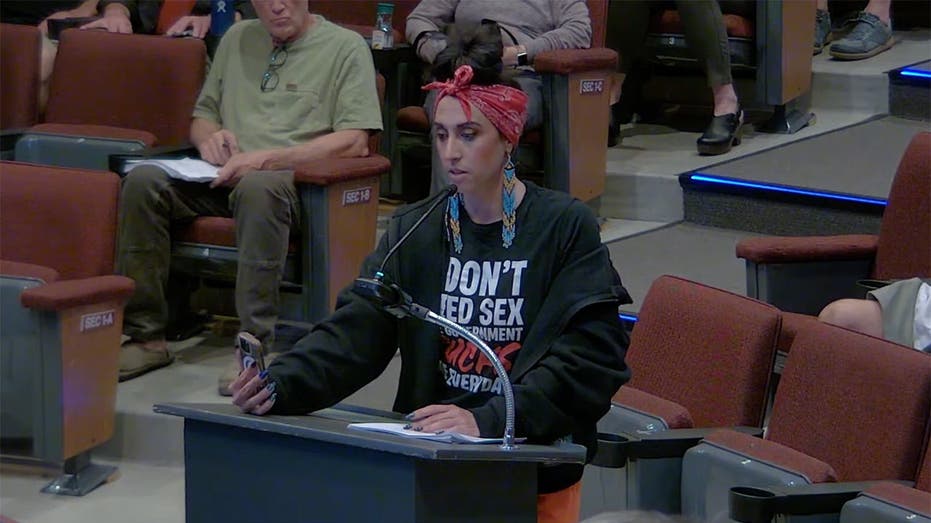
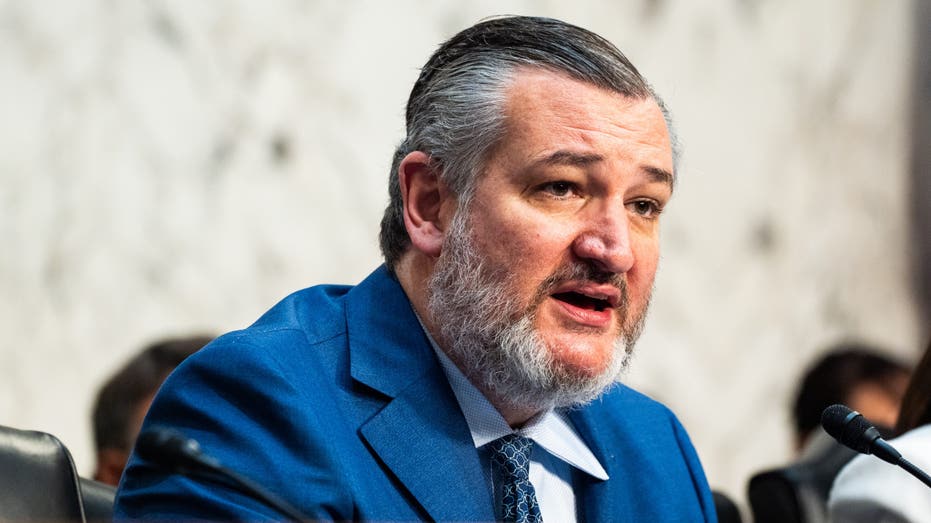
Real talk: the race for AI supremacy isn't just about who builds the fastest model. Senator Ted Cruz is currently out here saying the battle for AI leadership and the physical infrastructure to support it—data centers—is the "single most important economic question" for the U.S. right now. He’s lowkey sounding the alarm that the U.S. is being played, arguing that anti-data center sentiment isn't just grassroots skepticism, but a coordinated propaganda campaign.
The China factor
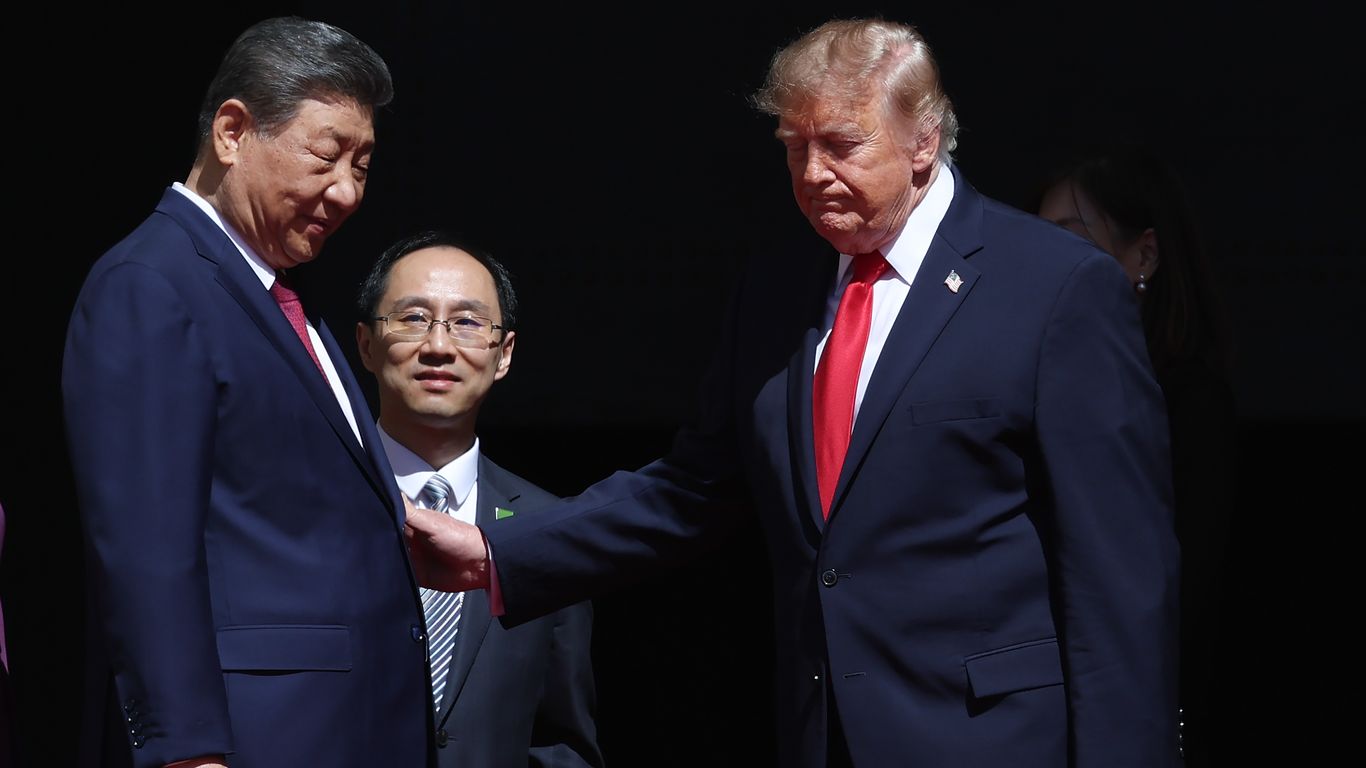
Cruz is drawing a line between domestic energy debates and international strategy. His vibe? If China can convince Americans to halt their own data center expansion, it’s a major W for them. He’s essentially comparing it to historical anti-fracking movements, implying that foreign actors want the U.S. to cede its digital independence. The concern seems to be that China wants to shape global AI values, which Cruz claims will prioritize surveillance and control, while he wants the U.S. to anchor AI in free speech and individual privacy.
There’s some backup for the interference claims, too. OpenAI recently reported shutting down clusters of accounts originating from China that were allegedly pumping out social media narratives designed to manipulate the debate over AI policy and electricity costs.
The 'AI Doomer' drama
It’s not just China on Cruz’s radar; he’s also taking aim at a specific pocket of the domestic tech world. He’s calling out the "effective altruism" movement—a philosophy backed by heavy hitters like Facebook co-founder Dustin Moskovitz—as being fundamentally left-wing. Cruz claims these groups are engaging in "rent-seeking," effectively begging the government to write regulations that favor big incumbents while shutting out competition.
Why it matters
It’s giving major plot twists. Whether you think this is a genuine national security concern or just another politician spinning a narrative, the tension between AI development and environmental concerns is clearly reaching a fever pitch. With billions in advocacy funding on the line and a race against China heating up, the way we handle these data centers is going to shape the next decade of tech.