The decision
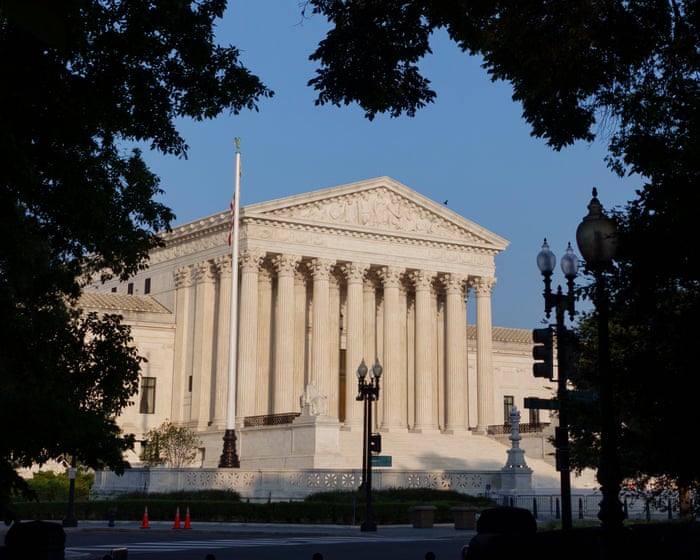
The Supreme Court has given the green light for the Trump administration to use a massive federal database to verify citizenship status and Social Security numbers ahead of the November midterms. The ruling, issued Friday, effectively reverses a June decision by D.C. US District Judge Sparkle L. Sooknanan that had previously blocked the Department of Homeland Security (DHS) from using the system.
What’s the tea?
This all centers on the Systematic Alien Verification for Entitlements (SAVE) system, a 40-year-old database that got a major upgrade following an executive order from President Trump in March 2025. The administration expanded the system to include natural-born citizens and allowed for bulk searches using names, birthdays, and Social Security numbers.
Judge Sooknanan had previously put a stop to this, arguing the feds were lowkey turning personal info into a centralized data bank that Congress never authorized. She claimed the administration was using unreliable data that could lead to states accidentally purging legitimate U.S. citizens from voter rolls.
The Supreme Court’s view
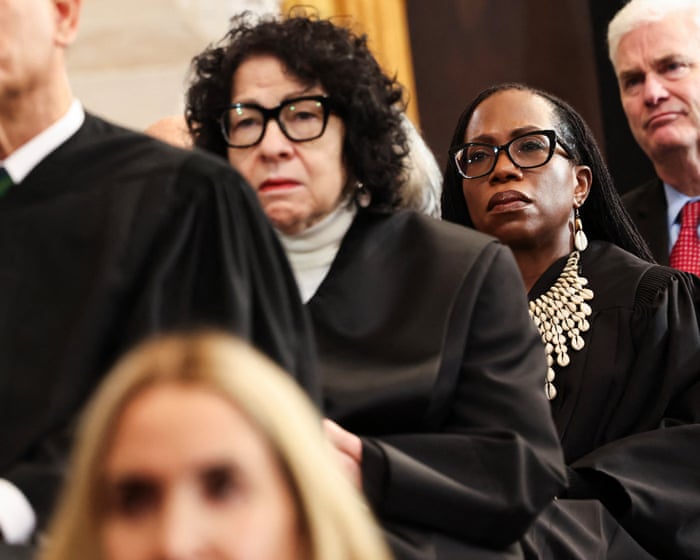
In an unsigned per curiam opinion, the court’s six conservative justices pushed back. They acknowledged that states are barred from purging voter rolls less than 90 days before an election, but they ruled that the DHS is allowed to use the "modified SAVE program to conduct individualized inquiries." The court noted that the lower court’s previous order was getting in the way of the government’s efforts to help state and local agencies manage the midterms.
Why it matters
For you, this means federal and state officials have more power to cross-reference voter information using a broader scope of federal data. While the court emphasized that this is meant to assist in the "proper administration of the midterm elections," privacy advocates and legal critics remain worried about how this data is being handled and the potential for errors that could affect your ability to cast a ballot. Real talk: if you’re heading to the polls, this move could change how your registration status is verified behind the scenes.