The diplomatic cold shoulder
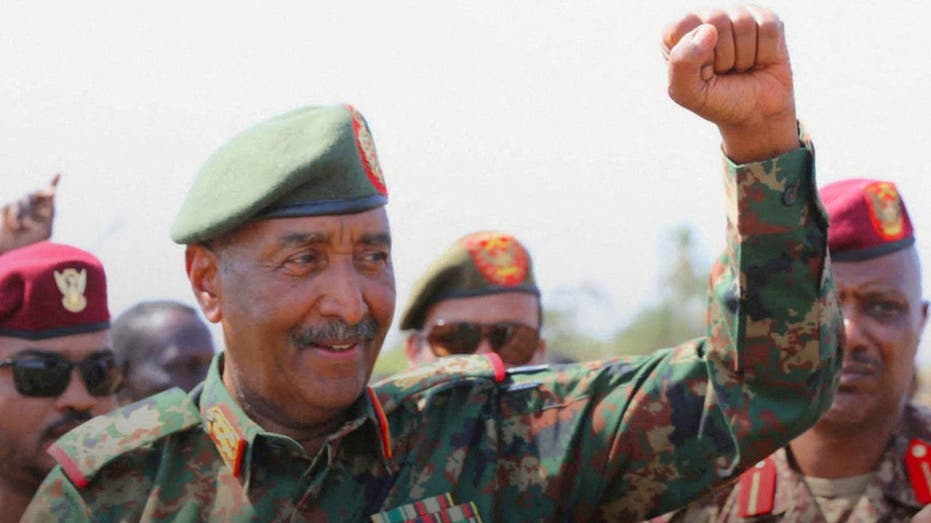
Sudan’s de facto leader, Gen. Abdel Fattah al-Burhan, is currently locked in a messy visa dispute with the U.S. government. Burhan, who heads the Sudanese Armed Forces (SAF), was expected to attend the U.N. General Assembly in New York, but the Trump administration blocked his travel. The move comes as the U.S. pushes for a 90-day humanitarian truce in a war that has been devastating the country since April 2023.
Washington argues that both Burhan’s military and the rival paramilitary Rapid Support Forces (RSF) are failing to commit to a serious peace deal. State Department spokesperson Tommy Pigott labeled both leaders as ineligible to govern, citing intensified combat and drone strikes that have hit civilians. From Khartoum, Burhan is keeping the same energy, stating, “We will not accept bargaining, sell ourselves cheaply to anyone or bow to anyone.”
The view from Khartoum
Dr. Amjad Farid Al-Tayyib, a foreign affairs advisor to Sudan’s Transitional Sovereignty Council, claims the government didn't reject the U.S. ceasefire proposal—they just had technical feedback. He argues that by cutting off travel for their delegation, the U.S. effectively sabotaged the very diplomacy they claim to want.
Behind the scenes, the issue is about control. The government is worried that any freeze in current fighting positions could lead to a permanent partition of Sudan if the RSF isn't required to withdraw from the territory it currently occupies.
A complicated conflict
The war between Burhan and RSF commander Mohamed Hamdan Dagalo (Hemedti) has created one of the world's worst humanitarian crises. While both sides are accused of atrocities, experts point out the situation is nuanced. Cameron Hudson, a former National Security Council official, notes that while the SAF has committed war crimes, the RSF’s documented record of sexual enslavement and mass killing on ethnic grounds shows a different scale and intent. It’s giving “both sides are bad” energy, but international reports suggest the reality on the ground is much more layered than that.
Why it matters
This isn't just about a visa; it’s a power struggle over who gets to dictate the future of a nation of 48 million people. With the U.S. trying to coordinate through the “Quad”—Egypt, Saudi Arabia, and the UAE—and the U.N. questioning Washington’s heavy-handed tactics, the path to a peaceful transition remains lowkey nonexistent while millions remain displaced.