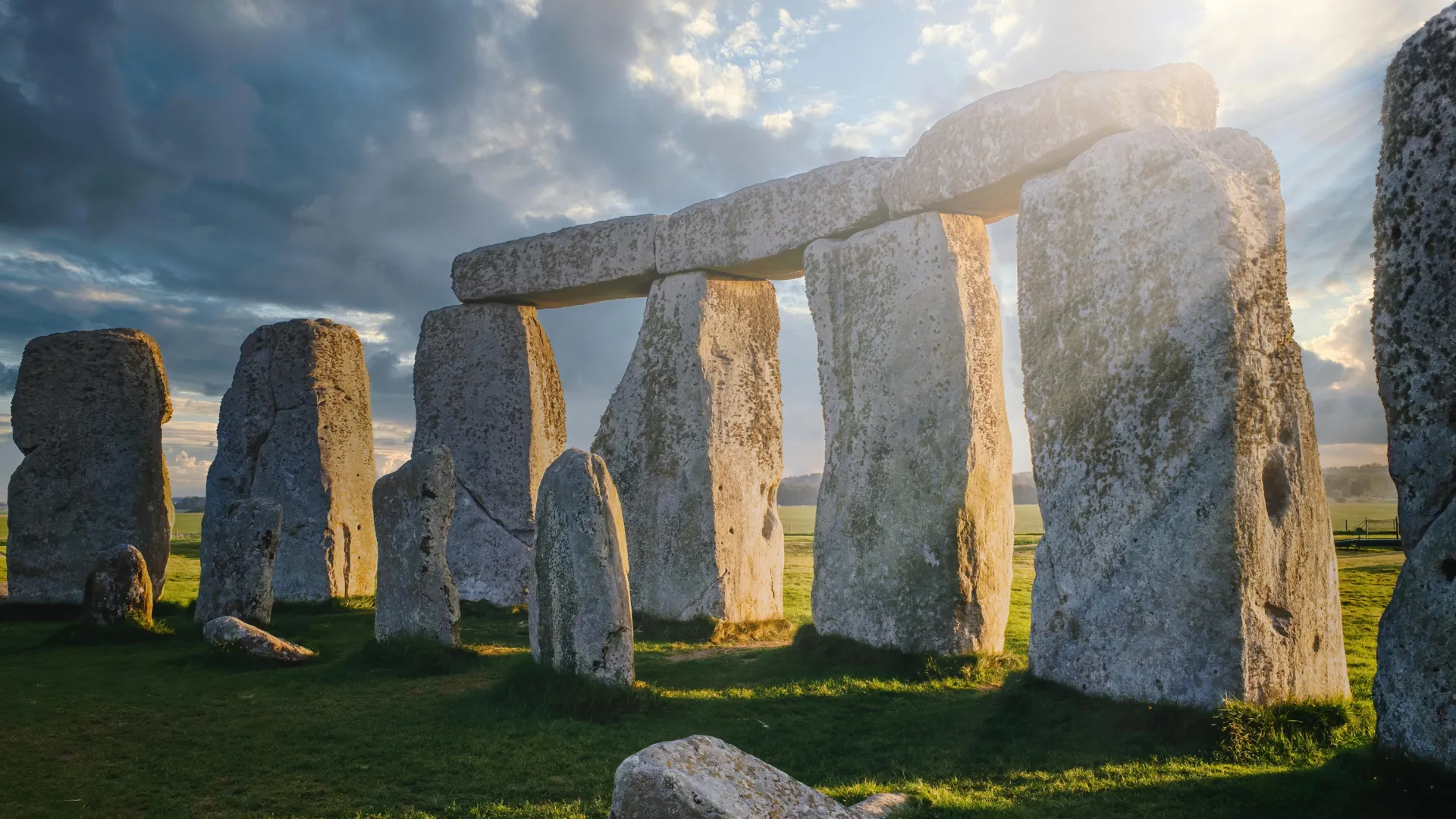
The Mystery of the Massive Stone
Ever wonder how the giant, six-ton Altar Stone ended up at the center of Stonehenge? It’s been a massive mystery for ages, but new research is finally spilling the tea. Scientists from Sheffield Hallam University and Curtin University have put together a theory that suggests this rock traveled over 435 miles from northeast Scotland. And no, it didn't just roll there on its own.
Ice, Then Human Effort
Using mineral grain dating and computer modeling of ancient ice sheets, researchers found that glaciers likely carried the stone part of the way during the last Ice Age—possibly as far as the North Sea’s Dogger Bank. But here's the kicker: the glaciers didn't take it all the way to Salisbury Plain. That final trek was all on the humans of that time.
Dr. Anthony Clarke, co-lead author from Curtin University, noted that the evidence points toward a "deliberate, carefully planned movement." The stone likely traveled in stages, using a mix of overland hauling and potentially river or coastal paths.
Did It Have 'Cultural Significance'?
One of the most mind-blowing parts of the study? The team thinks people might have attached cultural importance to the stone long before it was part of Stonehenge. It's giving main character energy. Researchers suggest people might have moved it at least twice: first to rescue it from rising sea levels in the Doggerland region, and later to its iconic spot in southern England.
This kind of transport would have required massive coordination among Neolithic communities. It’s a total flex of ancient organization and deep knowledge of the landscape.
Why it matters
This discovery busts the idea that the stone just happened to show up. It confirms that building Stonehenge was a massive collaborative project that required serious planning and determination. It’s proof that prehistoric humans were way more capable and connected than we often give them credit for.