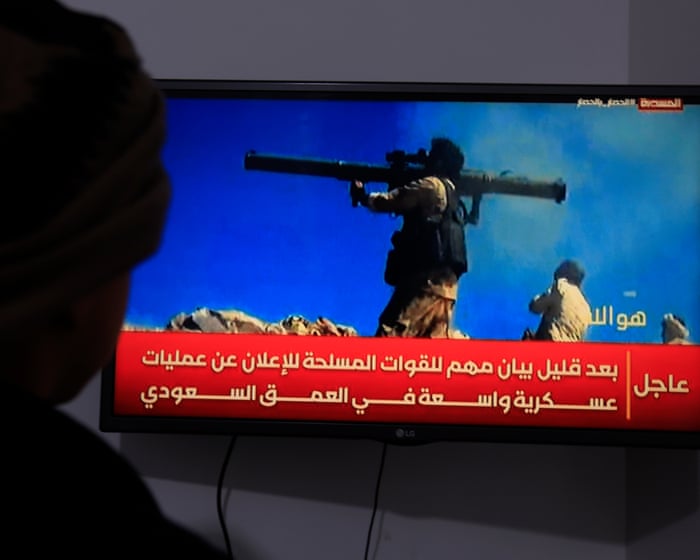
Things are looking pretty tense in the Middle East right now. The Saudi-led coalition in Yemen just confirmed they intercepted six ballistic missiles fired by the Iran-backed Houthis. The targets? Taif and the Yanbu region—a major hub for Saudi oil exports.
The oil market reaction
It’s giving market instability. Oil prices jumped about 3% following the news, hitting a one-week high as investors freak out about potential supply chain issues. While prices leveled off a bit after reports that the U.S. and Iran might be chatting about reopening the Strait of Hormuz, the vibes are definitely off. This comes at a rough time, as the kingdom is already dealing with pipeline issues and a Houthi-declared naval blockade.
A brewing global headache
Real talk: this is bigger than just one region. The Houthis recently secured a strategic position along the Bab el-Mandeb waterway, which is one of the world's busiest shipping lanes. Abdullah Abdulkader al Alimi-Bawzer, vice-president of the internationally recognized government, didn't mince words at the UN General Assembly. He basically said the Houthis are holding the global economy hostage by using navigation safety as blackmail.
What's next
Saudi Arabia, Turkey, and Pakistan are jumping into action, with their chiefs of staff meeting to discuss a joint defense pact that treats an attack on one as an attack on all three. Meanwhile, government forces are fighting to keep control of vital supply routes to Taiz.
Why it matters
As the Houthis tighten their grip on key transit points, the risk to global energy security is becoming highkey dangerous. With world leaders being urged to step in, it’s clear the conflict is moving from a local skirmish to a massive international economic liability.