The Vibe in the Baltics
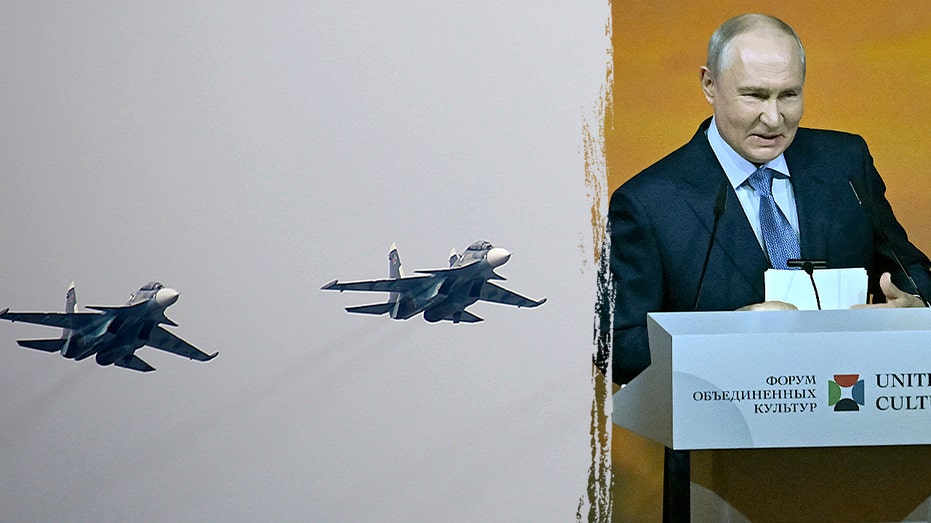
Real talk: the tension in Northern Europe is currently high-key stressful. On September 24, Finnish F/A-18 Hornets and Swedish JAS 39 Gripens took to the skies for their first-ever joint intercept mission. They were tracking a formation of Russian military aircraft, including supersonic MiG-31s, Su-30 fighters, and a Tu-134 transport plane, cruising through international airspace over the Gulf of Finland.
For the Swedish Air Force, it was a moment of "we finally made it." Maj. Gen. Jonas Wikman, the commander, noted that years of building trust mean these nations can now operate as one, no cap.
The Drama Heats Up
This isn't happening in a vacuum. We’ve seen a string of incidents lately—drones wandering into Polish airspace, mysterious helicopter crossings, and even Russian jets poking into Estonian airspace earlier in September.
Estonian Defense Minister Martin Herem has been sounding the alarm, warning that Russia might have the capacity to use military force against his country within the next year. He’s pushing for a serious audit of their defense capabilities. Prime Minister Kristen Michal added that they’re ready to lock down border crossings if the situation keeps deteriorating.
Putin’s Take
Predictably, Vladimir Putin is acting like this is all just noise. During a forum in St. Petersburg, he claimed Russia has zero plans to attack Europe, calling the security concerns "complete nonsense and absurdity." He even took a jab at the Estonian officials, saying, "The circus has left, but the clowns remain." The vibes are clearly off.
Why it matters
Even if a full-scale invasion is still considered low-probability, intelligence agencies are flagging a "growing" risk of hybrid warfare and localized probes. NATO Secretary General Mark Rutte made it clear: if Putin tries anything silly, the alliance is ready to clap back. It’s a high-stakes chess match where nobody wants to blink first.