The stance
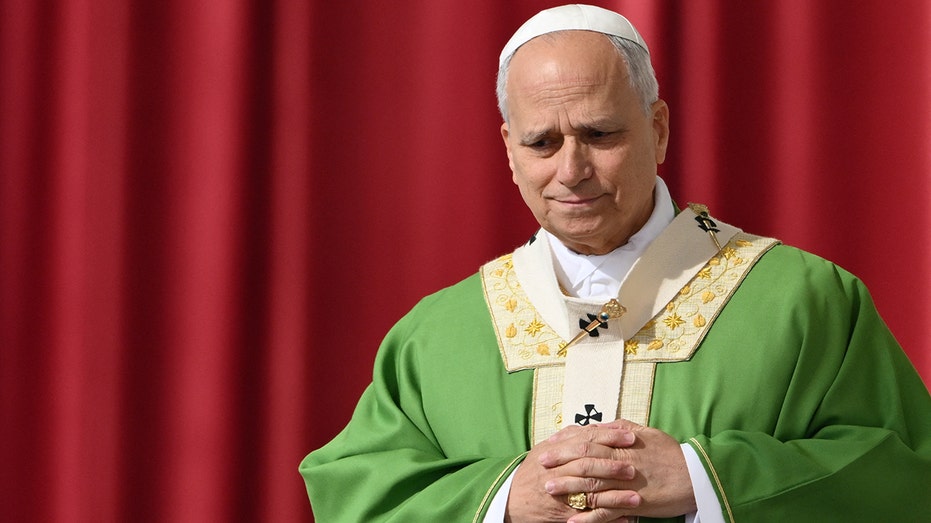
Pope Leo XIV is currently on a four-day visit to France, and during a stop at medical facilities in Lourdes on Sunday, he had some direct words regarding the medical community's role in end-of-life care. Speaking to a large crowd, the pope pushed back against the practice of medically assisted suicide, calling it a "false compassion."
He emphasized that legality doesn't equate to morality. "It is impossible to regard causing death as something normal," he said. He specifically urged healthcare workers to remember their true vocation: to care for the suffering, not to end their lives. He also hit out at the use of "laboratory algorithms" to determine the worth of embryos or the elderly, stating that medicine shouldn't become a tool for "programmed death."
The context
This pushback comes as the ethics of assisted dying programs remain a hot-button issue globally. While the practice is legal in several Western nations, including France, it’s been the center of intense debate, particularly in Canada.
Recent reports have fueled the controversy. Family members of 83-year-old Brigitte Stegemann in Canada recently raised alarms regarding her death under the country’s Medical Assistance in Dying (MAID) program. Her granddaughter, Brigitte Kranendonk, alleged that her grandmother was confused about the nature of the procedure and never fully consented to it, despite being deemed fit for the process by medical staff. The family’s account suggests a major breakdown in communication and informed consent, keeping the debate around these programs lowkey chaotic and highkey contentious.
Why it matters
The pope’s comments highlight a deepening divide between religious leadership and evolving medical legislation. As more regions consider or implement assisted dying laws, the clash between individual autonomy, medical ethics, and moral traditionalism is only going to get louder. It’s giving a major ideological standoff that isn't going away anytime soon.