The situation in Poland
Poland’s Deputy Prime Minister Krzysztof Gawkowski has officially labeled a fire at a Starlink satellite station in the Masovian Voivodeship province as an act of sabotage. The facility, which provides internet connectivity to various institutions including the Ukrainian military, was the target of an incident that officials believe aligns with a new Russian doctrine of attack. While the station remains operational, Prime Minister Donald Tusk noted that the situation looks concerning, even if the government is being cautious before confirming 100% certainty. This comes just a day after a Russian military helicopter briefly entered Polish airspace, prompting the scrambling of fighter jets.
The regional threat
It’s giving major tension across Europe. Denmark’s intelligence service has updated its threat assessment, warning that Russia is looking to escalate its hybrid warfare. While they clarify that a direct military strike on a NATO country remains "highly unlikely," there is a growing, albeit low, risk of limited military action. This follows a pattern of recent friction: Germany has pointed to a failed drone attack on Leipzig/Halle Airport as Russian-linked, and France is currently drafting plans to bolster its critical infrastructure. Hybrid warfare—a cocktail of cyberattacks, misinformation, and sabotage—is the name of the game here, and Russia continues to deny all involvement despite the mounting evidence.
The reality on the ground
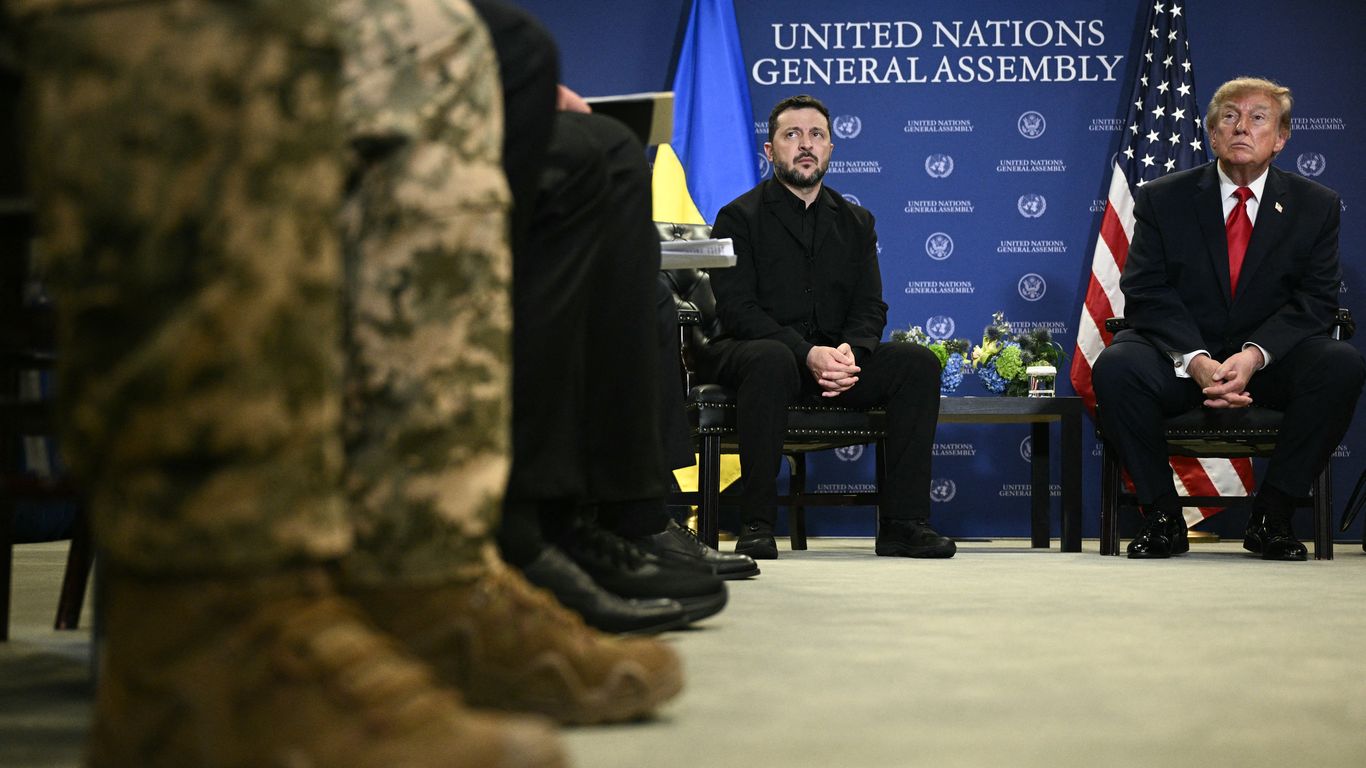
While the diplomatic drama unfolds, the conflict remains brutal. Russia has ramped up aerial strikes on Ukraine, with recent attacks on Kharkiv and Kyiv resulting in eight civilian deaths. In Kyiv, a maternity building was damaged during the barrage, and in Kharkiv, six agricultural workers were killed. Meanwhile, Ukrainian President Volodymyr Zelensky is in New York for the UN General Assembly, pleading for more ballistic interceptors to protect civilians. As winter approaches, the stakes for energy security and infrastructure are hitting a breaking point.
Why it matters
The plot thickens as the line between cyber-sabotage and physical warfare gets blurrier. By hitting satellite infrastructure and testing borders, Moscow appears to be stress-testing NATO’s resolve. For the rest of us, it’s a grim reminder that geopolitical stability in Europe is lowkey hanging by a thread.