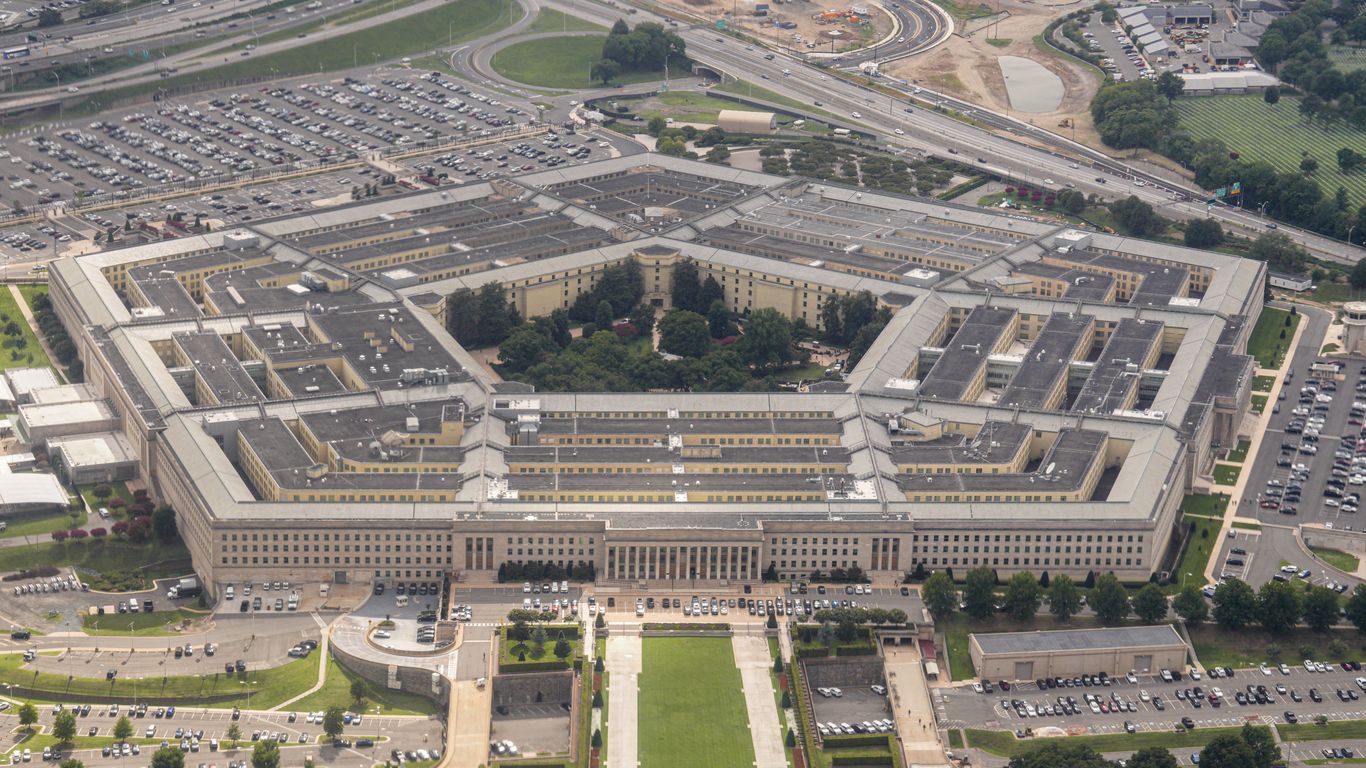
Defense Secretary Pete Hegseth is officially turning the Pentagon’s focus toward our elections. In a new memo authorized on Sept. 22, Hegseth has directed the Department of Defense to use advanced AI and cyber capabilities to identify and neutralize any foreign actors trying to meddle in our democratic process. ## The Strategy
This isn't just a random move; it’s a direct response to a 2025 executive order from President Trump. The memo hits on three main goals:
- Prioritizing Cyber Intel: U.S. Cyber Command is tasked with making sure foreign entities stay out of our systems.
- Intelligence Gathering: The Defense Intelligence Enterprise is ordered to collect intel on threats to our elections, fully within the law.
- Joint Operations: Cyber Command will work alongside the Department of Homeland Security to specifically counter cyber threats targeting the voting process.
While this sounds high-tech and intense, officials say it’s essentially the modern version of what’s been happening for years. "This is what CYBERCOM does every day," one official told Axios. It's giving major "do not pass go" energy to anyone trying to mess with our data.
The Context
Election interference has been a massive concern for over a decade. Similar efforts existed before the 2022 midterms, though the landscape has shifted since then. While the tech is faster and more advanced now, there’s been some friction. President Trump has proposed cutting election security budgets for CISA, the main DHS branch for this, which has left some folks wondering about the stability of these efforts.
Also, let's keep it real: the conversation around election security has been super messy. We’ve seen everything from debates about seizing voting machines to the FBI seizing machines in Fulton County, Georgia, earlier this year. However, Hegseth’s current order does not put military boots on the ground at polling stations.
Why it matters
While the Pentagon says they're working "in lockstep" with local officials, the stakes are high. President Trump hasn't completely ruled out using military personnel at polls, which has lowkey terrified some critics. For you, this means the federal government is throwing its most expensive AI tools at election security, but the political drama surrounding it remains high-key chaotic.