The situation on the ground
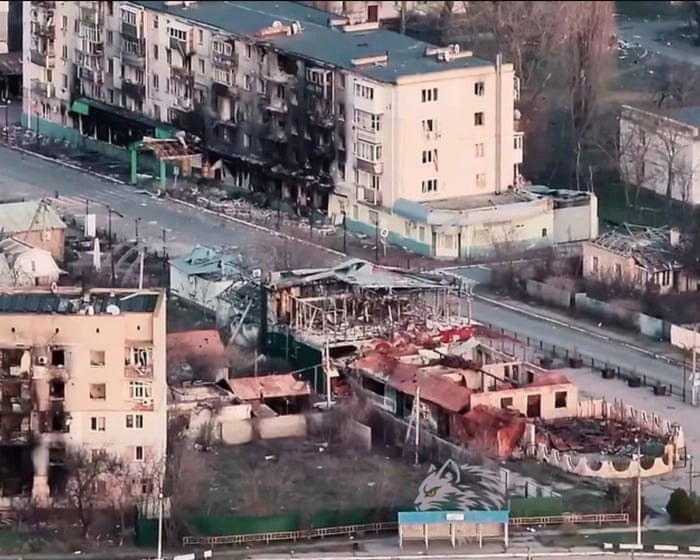
Conditions in Oleshky, a city sitting across the Dnipro River from Kherson, have reached a point where local residents are describing their home as "a hell on earth." Roughly 2,000 civilians remain trapped in the city, including 50 children. According to reports from those still inside, the food supply has completely evaporated, forcing residents to survive on a single meal a day—often just soup made from foraged purslane or vegetables grown in apartment flower boxes.
Before the war, Oleshky was home to 24,000 people. Since May, tightened Russian control, expansive minefields, and persistent drone activity have choked off all regular supply lines. To make matters worse, residents report that invading forces are seizing what little food remains, sometimes even digging up private gardens for supplies.
A desperate bid for aid
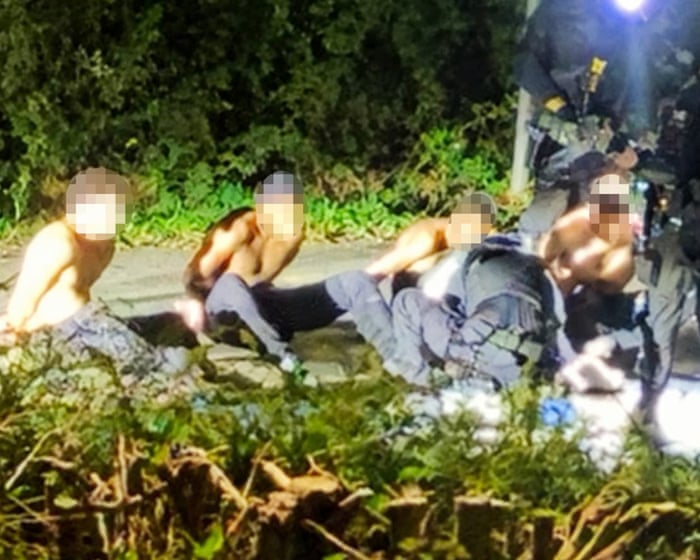
Over this past weekend, military authorities in Kherson launched a large-scale airdrop, using heavy drones to deliver roughly four tonnes of food, water, and medical supplies to 100 locations across the city. Whether these resources actually reach the intended civilians remains unclear, as Russian forces are reportedly intercepting the drops. In some cases, residents who attempt to collect the supplies have been arrested.
Ukrainian Foreign Minister Andrii Sybiha raised the alarm at the UN General Assembly this week, calling the situation a "humanitarian catastrophe" and accusing Russia of using the remaining civilians as human shields to deter potential Ukrainian counterattacks. Tetiana Hasanenko, head of the Oleshky military administration, noted that the city’s infrastructure—including electricity and access to cash—has effectively ceased to exist.
Why it matters
Beyond the immediate starvation, the city is facing a grim reality regarding the dead, who remain in the streets because retrieving bodies is a death sentence under constant drone surveillance. While the Kremlin and Ukrainian officials continue to trade blame over the blockade of humanitarian corridors, the civilians trapped in the crossfire are facing a truly L situation with no clear exit in sight. Real talk, the humanitarian cost here is hitting a breaking point.