The Science Tea
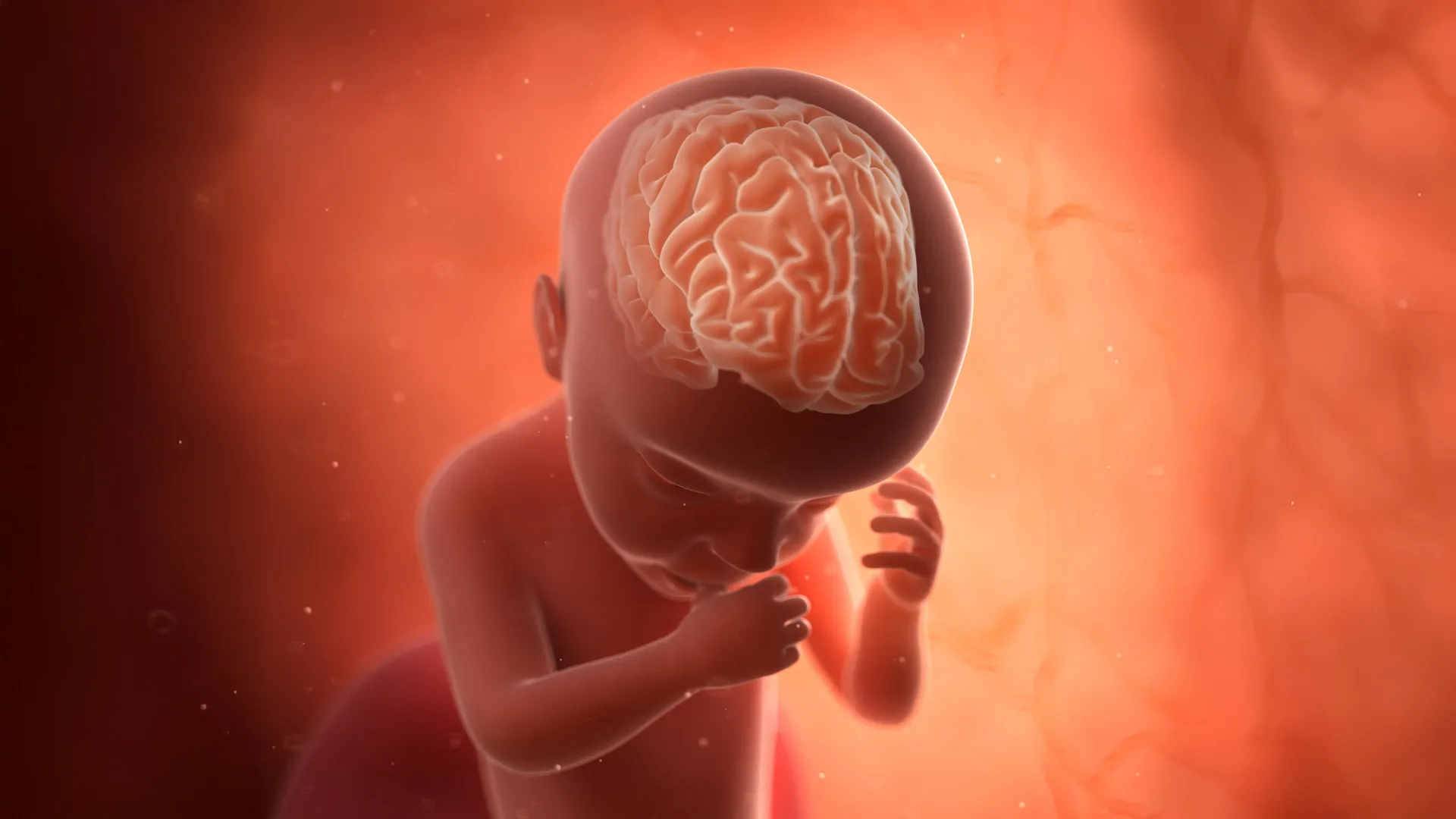
A massive new study from the Karolinska Institutet is spilling some important science on how certain infections during pregnancy might affect a child's brain development. The team looked at data from 3.7 million people born in Sweden over a 34-year span to see if 'TORCH' infections—a group of rare germs like herpesvirus, rubella, and toxoplasma that can cross the placenta—had a long-term impact.
Here’s the breakdown: while these infections are lowkey rare, they carry a major weight for the kids who do catch them. Children born with a congenital TORCH infection were about three times more likely to be diagnosed with autism later in life. When it came to intellectual disabilities, the risk was over seven times higher, and for severe or profound cases, the risk jumped up to 30 times compared to those without an infection.
Real Talk: The Nuance
Before you spiral, remember that these infections are super uncommon. The researchers estimate these cases account for a tiny sliver of the total population—about 0.034% of autism cases in Sweden.
It’s giving important public health info, though. Even if a kid didn't get an autism or disability diagnosis, the study found they still tended to get lower grades in school on average, suggesting these infections can mess with brain development in subtle ways. The team even checked to see if family genetics were the real cause, but after comparing siblings, they found the link to these infections held up. It's not just in the family genes; it's the infection itself.
Why it matters
While this is a W for understanding neurodevelopment, it doesn't mean you should panic. It just proves that vaccines and preventive care are main character energy when it comes to pregnancy health. Diseases like rubella have practically vanished in places like Sweden because of vaccines, which means we already have the tools to stop these specific risks before they even start. Say less, right?