The drama behind the pitch
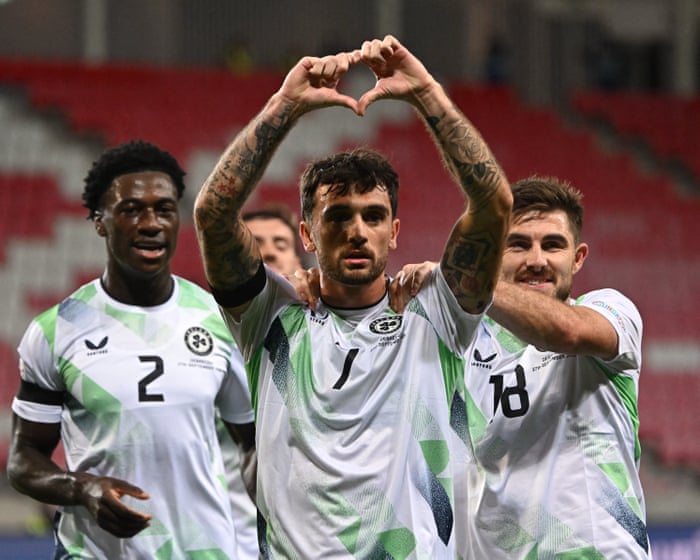
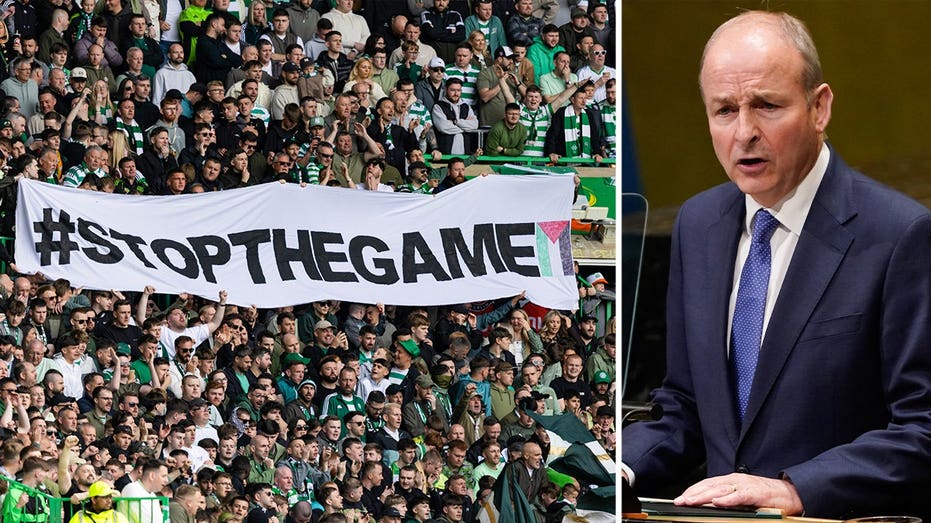
Ireland’s national soccer team found themselves in the middle of a massive political firestorm this weekend. After months of intense pressure from campaigners—including a movement called #StopTheGame—Irish players held a last-minute vote to decide if they would actually face Israel on the pitch. While a "significant majority" decided to play, the plot thickens: one player opted out of the squad entirely rather than participate.
Irish Prime Minister Micheál Martin is now speaking out. In an exclusive interview with Fox News Digital, he flatly rejected the idea that Ireland’s heavy criticism of the Israeli government’s Gaza strategy has crossed the line into antisemitism. "We have no toleration for antisemitism, none," Martin stated, noting that the country cherishes its Jewish community.
Why the vibes are so tense
Martin argued that Ireland’s own history of conflict in Northern Ireland makes the country a natural advocate for peace. He didn’t hold back on his stance, calling Israel’s military response to the Oct. 7 Hamas attacks "absolutely disproportionate" and urging them to change their strategy. At the same time, he explicitly condemned the Hamas attacks and said he supports Israel’s right to exist in security, alongside a two-state solution for Palestinians.
The pressure has been building for a long time. The Football Association of Ireland (FAI) previously tried to get Israel suspended from international play but was warned that a boycott could cost them at least $6.3 million and trigger major sanctions from UEFA. Because of safety and security concerns, Sunday’s game was moved to Hungary, and the upcoming Oct. 4 home match will be played behind closed doors in Serbia with no fans allowed.
Why it matters
This isn't just about soccer; it’s a reflection of a much larger global debate. With thousands protesting in Irish streets and the national broadcaster opting out of Eurovision over Israel’s participation, Martin is trying to maintain a diplomatic middle ground. For you, this means watching how international sports federations navigate political pressure—it’s lowkey becoming the new normal to see high-stakes sports clash with geopolitical movements.