The grave truth
Ever look at an old photo and assume two people are siblings just because they're standing together? Turns out, archaeologists have been doing the exact same thing with medieval graves for decades. We’ve always lowkey assumed that when an adult and a child were found in the same burial, it was a parent-child situation. But, real talk, science is here to tell us that's not necessarily the vibe.
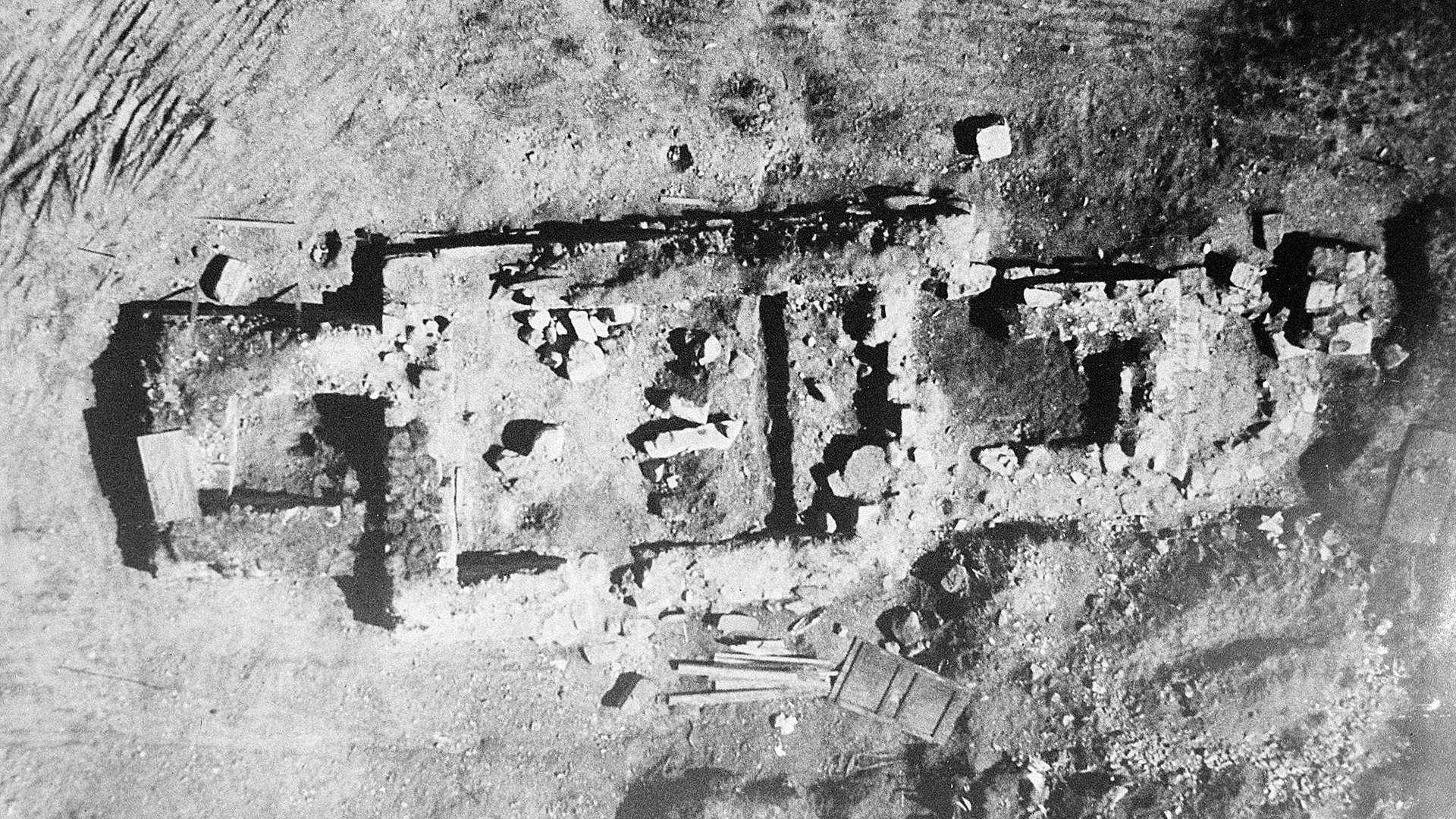
Researchers from Stockholm University recently analyzed DNA from 142 individuals from the Viking Age and Middle Ages in Sweden. What they found was pretty surprising: biological family members were rarely buried together. Even in cemeteries where people were clearly related, the shared graves were usually occupied by people who weren't close kin. It’s giving… different priorities.
Gender roles in the afterlife
Beyond just debunking the 'family' myth, the DNA testing helped researchers ID the sex of children whose remains were too young to tell from just their bones. This revealed that kids were often buried following the same gender-coded patterns as adults. At the Västernus site, for example, men and women were kept on separate sides of the churchyard, and surprise—the boys and girls were placed to match.
Lead author Maja Krzewińska noted that this shows community, religious, and social factors played a much bigger role in burial decisions than biology. It’s clear that society back then didn't really treat kids as a 'separate category' in death, but rather as full members of their gendered social structure.
The OG traveler
One of the most iconic finds was 'Lady 56,' a woman buried in Jämtland who was found with a scallop shell in her grave. That shell wasn't just a decoration—it was a major flex, as it’s a symbol of the pilgrimage to Santiago de Compostela in Spain. She traveled thousands of miles across Europe, which is absolute main character energy for that time. Even though her actual family members were buried in different spots around her, that shell tells us she lived a life that stretched way beyond her local town.
Why it matters
This research is a total game changer for archaeology. By using ancient DNA, scientists can finally see past the assumptions of the past to understand how medieval people actually organized their lives, their religion, and their communities. It’s a reminder that history isn't just about who you're related to, but how you fit into the world around you.