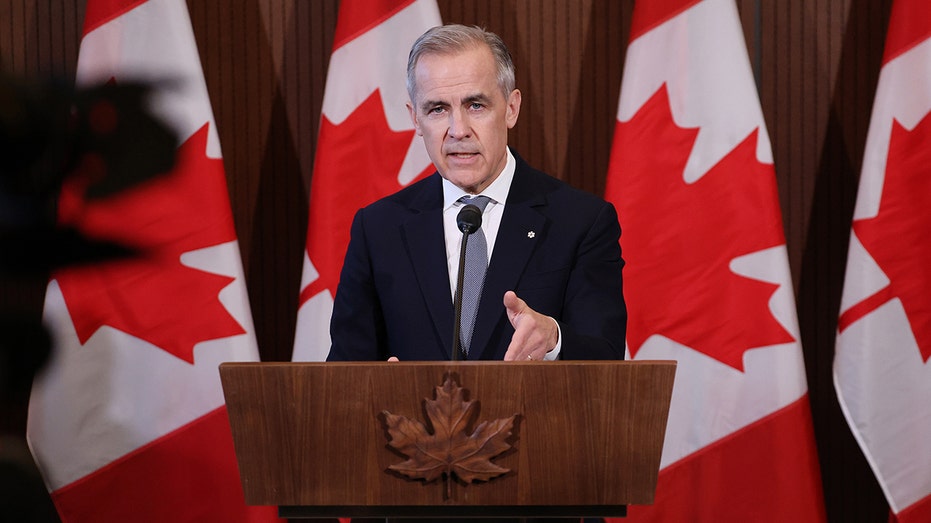
It’s giving major geopolitical drama, bestie. Canadian Prime Minister Mark Carney just spilled that he actually spent time preparing for the "extreme tail risk" of a U.S. invasion. In a recent interview with the New York Times, Carney explained that he had to consider the scenario after President Donald Trump started referring to Canada as the "51st state."
Real talk on risk management
Carney isn't saying an invasion was ever the base case, but he argued that in his position, it would be "irresponsible not to" look at the absolute worst-case outcomes. "I think you have a responsibility in these roles to look at extreme tail risk. That’s just risk management," he told the Times. The tension between the two countries has been super high for a year now, with both sides throwing tariffs at each other in an ongoing trade battle.
The shift in strategy
It’s clear the vibes between D.C. and Ottawa are off. Carney has admitted that Canada spent the last 40 years getting way too cozy with the U.S. economy. He recently stated that Canada is finally moving away from that heavy reliance. "It’s clear that time is over," he said, noting that his current plan is all about "development and diversification" rather than waiting for things to go back to normal.
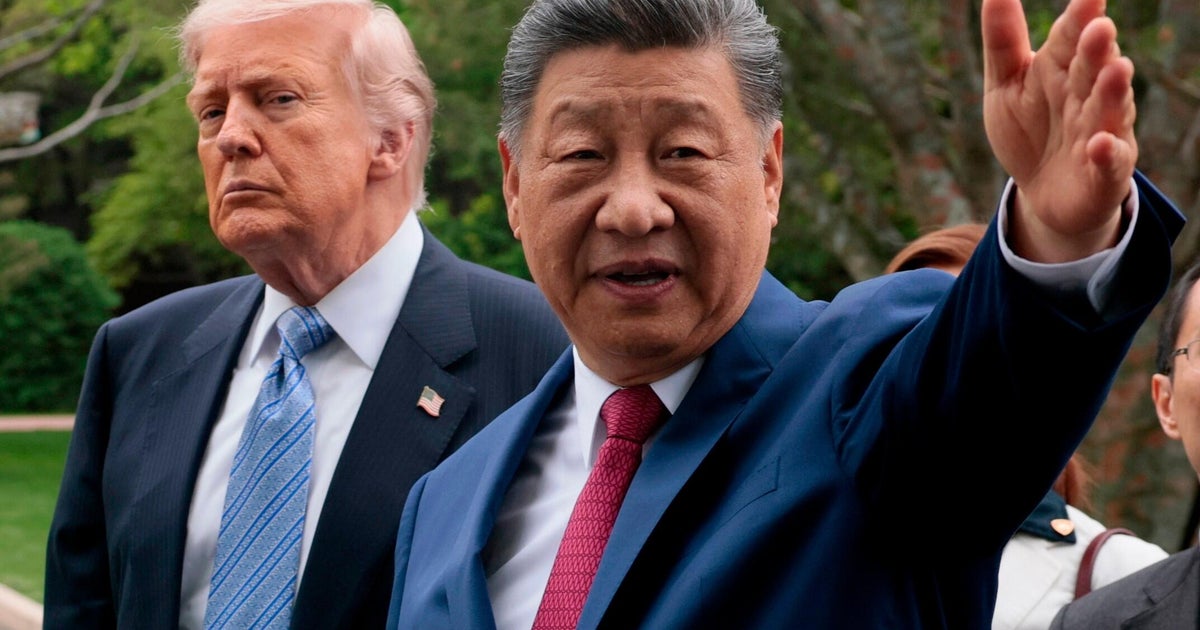
Meanwhile, the drama is extending across the pond. When asked about rumors that Canada might join the EU as an associate member, Trump dismissed the idea as "laughable," warning that if he saw any "bad intention" behind such a move, he’d hit Europe with heavy tariffs.
Why it matters
This reveals just how fragile international relationships have become under the current trade wars. For you, this means continued economic volatility and potential price hikes on goods as the U.S. and its neighbors remain locked in a tense standoff. It’s a reminder that global politics is lowkey becoming a high-stakes game of chicken.