The pivot to infrastructure
For 15 years, Kraken has been a staple in the crypto space. But its parent company, Payward, has been playing a much deeper game. They’re pivoting from just running a retail exchange to becoming the underlying "everything" financial infrastructure for the entire industry. Real talk: they are trying to fix the messy, clunky legacy system by replacing outdated, slow settlement processes with a unified blockchain-based stack.
The 'one ledger' strategy
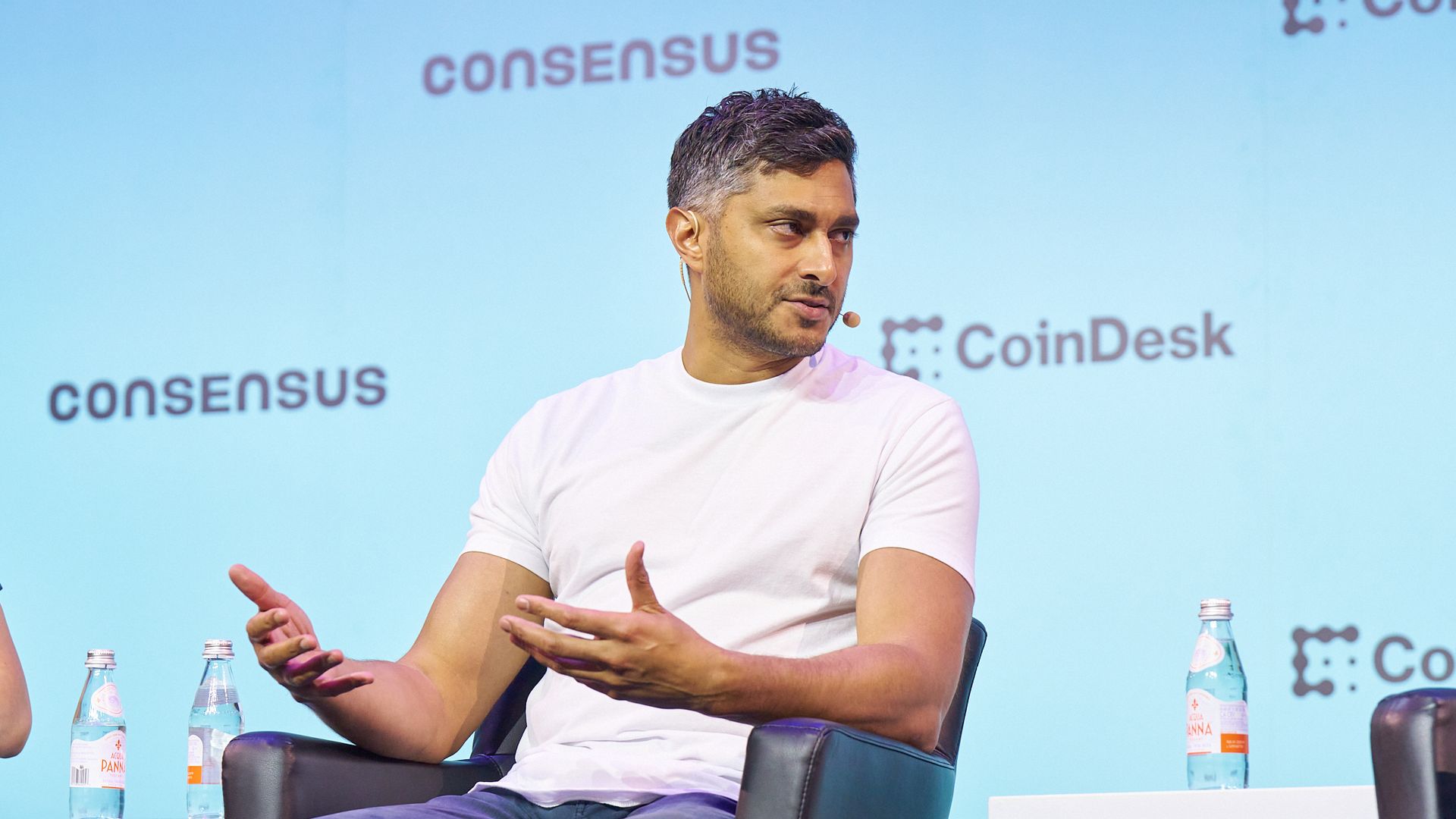
Payward’s co-CEO, Arjun Sethi, isn't messing around. He told CoinDesk that their goal is a unified platform with one balance sheet and one regulatory stack. The core thesis? Traditional finance is held back by separate brokers, custodians, and clearing houses that force constant reconciliation. Payward’s solution is a "one ledger" system where assets can move seamlessly without all those extra intermediaries.
Big moves and big bags
To make this happen, Payward has been spending billions on high-stakes acquisitions:
- NinjaTrader: Dropped $1.5 billion to lock in U.S. futures brokerage tech and licenses.
- Bitnomial: Paid $550 million for regulated derivatives infrastructure.
- European Expansion: Sethi confirmed they are "about to buy a bank in Europe" to solidify their footprint.
They aren't trying to do it alone, either. In a major move, Nasdaq recently invested $100 million in Payward, and the companies are collaborating on tokenized stocks launching in 2027. They've also teamed up with the London Stock Exchange to explore tokenized public equities.
Scaling the B2B play
Payward is also betting big on its B2B division, Payward Services. Instead of just chasing retail users, they’re packaging their custody, compliance, and liquidity tech for banks and other fintechs via APIs. With 25 companies already building on this stack, Payward is effectively becoming the "Intel Inside" for the next generation of finance.
Why it matters
Payward is positioning itself to win whether or not you ever trade on their specific exchange. By building the infrastructure that powers other brands, they are moving toward an "Everything Financial Infrastructure" model that could prove way more resilient than a standard retail exchange. Just remember: this is a massive strategic play to reshape finance, not financial advice, and the regulatory landscape for these new, on-chain products is still evolving.