The analysis drought
If you’ve been feeling the pain at the pump, you’re not alone—and even the biggest players on Wall Street have officially thrown in the towel on predicting where crude prices go next. JPMorgan’s commodities team, usually the ones setting the benchmark for global markets, just admitted they can no longer reliably model future oil costs.
During a recent call with institutional investors, the bank’s strategists stated they’ve abandoned their “baseline view” for the first time since the Iran conflict kicked off back in February. Real talk: they have zero clue how this ends, and for a bank that lives on data, that’s a massive L.
Why it’s giving chaos
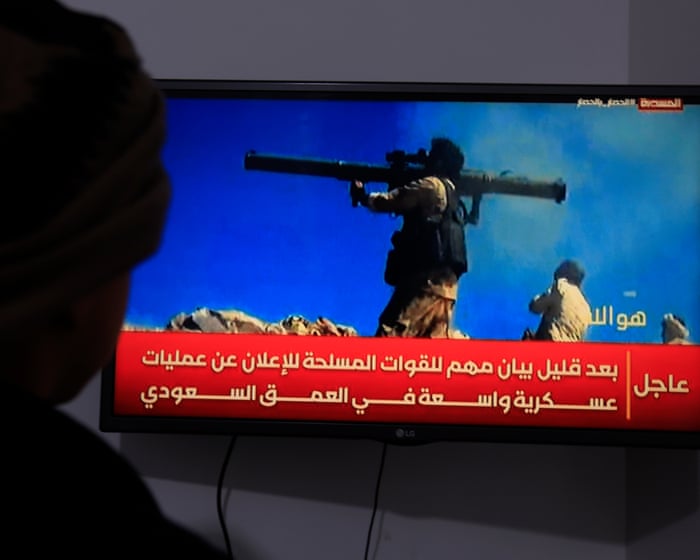
The conflict has effectively throttled about 25% of the world’s oil supply, which usually moves through the Strait of Hormuz. Between drone attacks hitting Saudi Arabian export pipelines and ongoing volatility, the supply chain is lowkey broken. Brent crude has been on a wild ride, surging from $72 at the start of the war to $126 in April, dipping to $73 in June, and now sitting back around $100 a barrel.
The confusion is largely fueled by the White House. President Trump has been inconsistent, constantly signaling progress or near-deals that immediately fall apart. Because there’s no clear “economic red line” or exit strategy, the math just doesn't add up anymore.
Why it matters
When big banks stop projecting, it usually means the vibes in the market are way off. If you’re trying to hedge expenses or just budgeting for gas, prepare for a bumpy ride. Prices are going to stay volatile because the fundamental "endgame" remains a total mystery to the people who control the numbers.