Tensions High at the UN
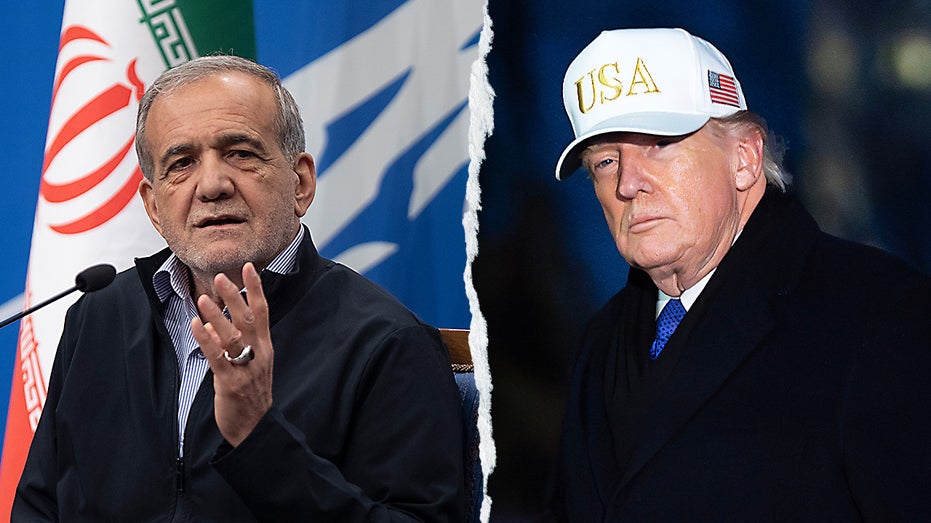
During a tense session at the UN General Assembly this week, Iranian President Masoud Pezeshkian made it clear that his country will not be swayed by threats. Responding to U.S. President Donald Trump’s warning that he would “annihilate” Iran if a deal isn't reached, Pezeshkian struck a defiant tone. He told the assembly, “The resistance of the Iranian people will only increase in the face of sanctions, increased pressure, increased bullying.”
While the rhetoric remained heated, Pezeshkian noted that Iran is still open to a diplomatic solution. However, he insisted that any potential deal must include an end to the U.S. blockade on key Gulf waterways. The president highlighted that Iran currently faces restricted access to the Strait of Hormuz—a major route for global oil and gas—calling it unfair that other nations benefit from the passage while Iran is barred.
A History of Conflict
The current standoff follows nearly seven months of conflict, which has included air campaigns, missile strikes, and the effective closure of the Strait of Hormuz. During his speech, Pezeshkian addressed accusations of terrorism by turning the tables, labeling his nation a victim of aggression. He presented images of civilians killed during recent strikes, including those lost at a primary school and a sports complex.
Despite the friction, there was a brief moment of diplomatic activity on the sidelines. Iranian Foreign Minister Abbas Araghchi met with U.S. envoy Steve Witkoff for indirect talks brokered by Qatar. While the U.S. side described the discussions as potentially “constructive,” Iranian officials maintained their core requirements: an end to the blockade and the release of frozen assets. Pezeshkian also reaffirmed that while Iran maintains its right to peaceful nuclear technology, it is not pursuing nuclear weapons.
Why it matters
With global oil supplies moving through these contested waters, the ongoing military and economic stalemate between the U.S. and Iran has massive implications for global energy stability. Both sides are currently at an impasse, and the success of these indirect talks is crucial for de-escalating a conflict that has already resulted in significant loss of life.