The diplomatic stalemate
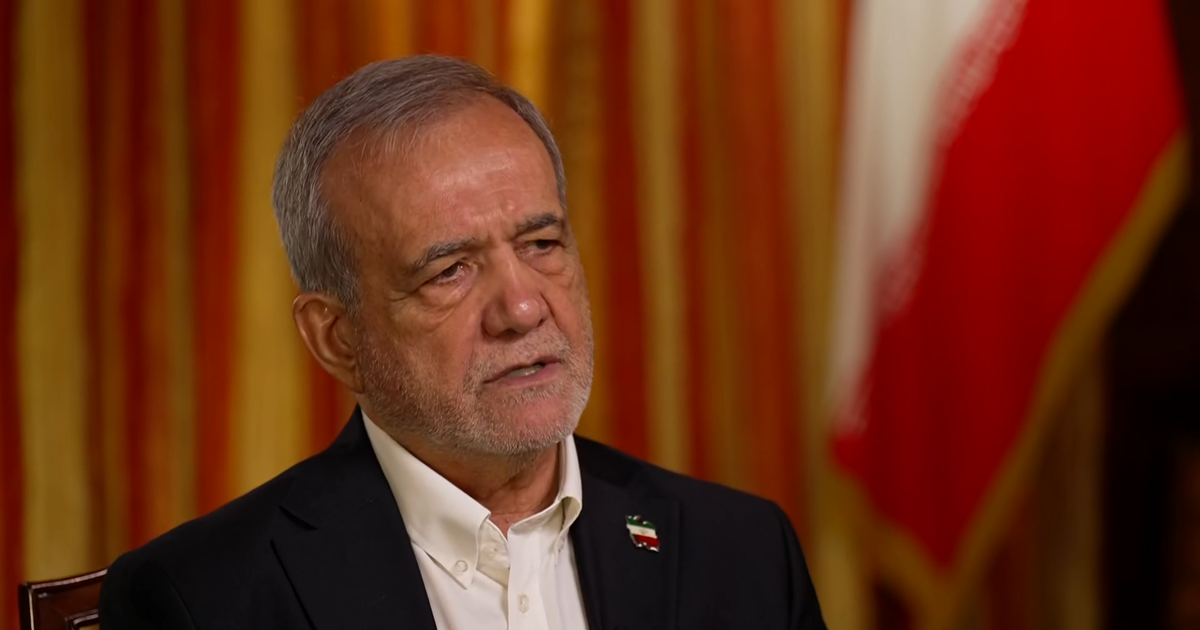
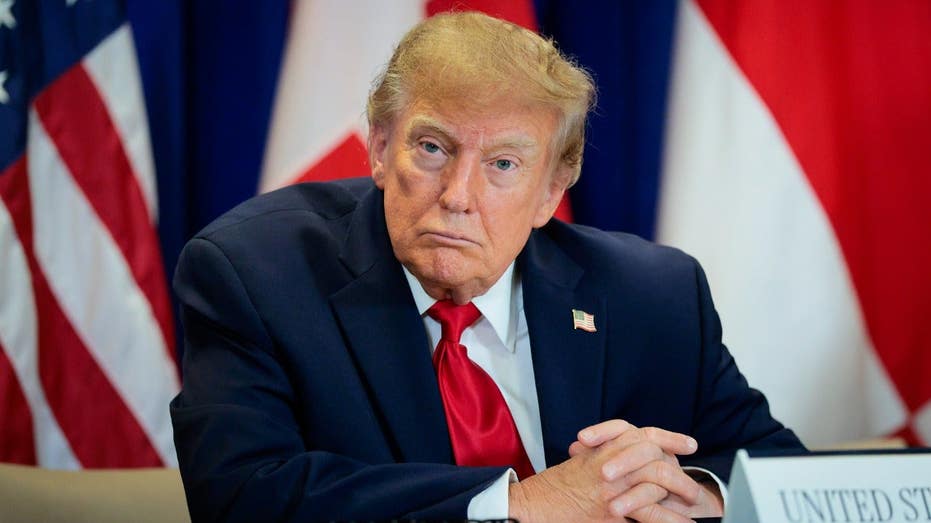
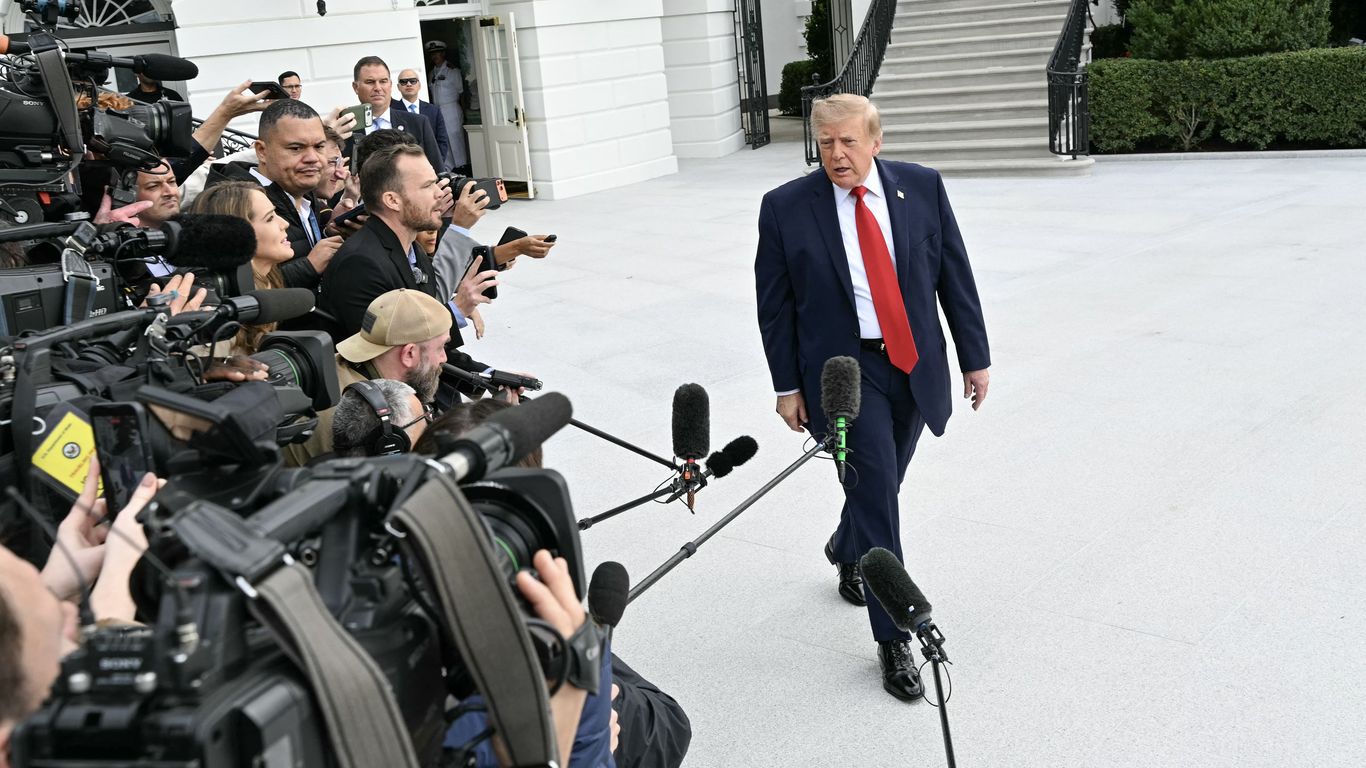
Real talk: the tension between the U.S. and Iran is showing no signs of cooling down. President Trump confirmed on Saturday that he officially rejected the latest proposal sent over by Iran during indirect talks in New York this week.
Who wants what
It’s giving a total deadlock. Here is the lowdown on the goals:
- Iran's ask: They want the U.S. to lift the naval blockade, scrap sanctions on oil sales, and lock in a regional ceasefire. In exchange, they offered to reopen the Strait of Hormuz and jump back into nuclear talks within a week.
- The U.S. stance: The Trump administration isn't biting. U.S. envoys Steve Witkoff and Jared Kushner, who met with Iranian Foreign Minister Abbas Araghchi on the sidelines of the UN General Assembly, made it clear that Iran doesn't get to dictate terms over the strait. The White House remains highkey focused on securing nuclear concessions first.
The background noise
Even though the Prez says he shut it down, a U.S. official mentioned that "positive and constructive" chatter is still happening behind the scenes via Qatari mediators. Meanwhile, the Strait of Hormuz is still seeing traffic. About 60 million barrels of oil have moved through the strait in the last 72 hours under U.S. protection, which is a major win for global markets, even if it's still below pre-war levels.
Why it matters
Mediators are trying their best to play peacemaker, but the gap between these two is massive. Until someone budges on the nuclear question, the plot thickens and the regional instability stays on the menu.