A different kind of campaign trail
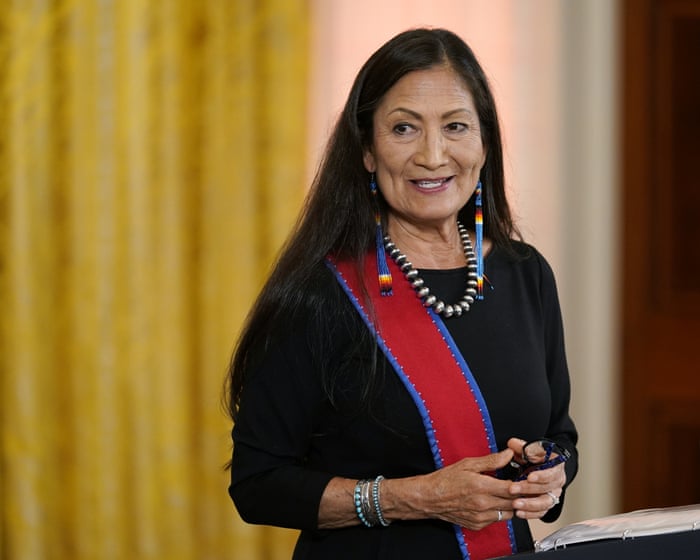
Deb Haaland, the US cabinet secretary and a former member of Congress, is doing something pretty rare in politics: she’s making her own recovery from addiction the main character of her bid for New Mexico governor. After growing up in a military family and rising through the ranks of the Pueblo of Laguna tribe, she’s now taking on Republican Gregg Hull.
Real talk: addiction has been a total mess for local communities, especially with the fentanyl crisis hitting rural areas hard. Haaland isn't shying away from her past, including her history with alcohol after high school and two DUIs. She’s been sober for 35 years now, and she’s lowkey making it clear that she sees this as a public health issue rather than a moral failing. "It’s a lot of hard work to pay attention to yourself," she said. "I recognised there were so many things in my life that I needed to change."
The plan for New Mexico
Haaland’s campaign is dropping a six-figure ad buy that features real people sharing their sobriety journeys. Her policy goals are centered on fixing the state’s fractured health infrastructure. She’s calling out former governor Susana Martinez, arguing that previous administrations essentially nuked the state’s behavioral health system by accusing providers of fraud—claims that were later cleared, but which left the system in shambles.
Her roadmap includes:
- A state office of community safety: Sending behavioral health specialists to non-criminal calls so police can stay focused on violent crime and drug traffickers.
- Insurance mandates: Forcing providers to cover comprehensive treatment.
- Medicaid protection: Building a trust fund to help shield residents from upcoming federal Medicaid rollbacks.
Why it matters
It’s giving a major shift in tone for the state. By leaning into vulnerability, Haaland is betting that voters are tired of the stigma and ready to treat substance use as a health crisis instead of a crime. With the fentanyl crisis hitting home for so many families, she’s trying to prove that her own "hard work" in recovery gives her the perspective to rebuild a broken system. The plot thickens as she navigates these local issues alongside national pressures like looming federal Medicaid cuts and her vocal opposition to ICE tactics in the state.