The situation
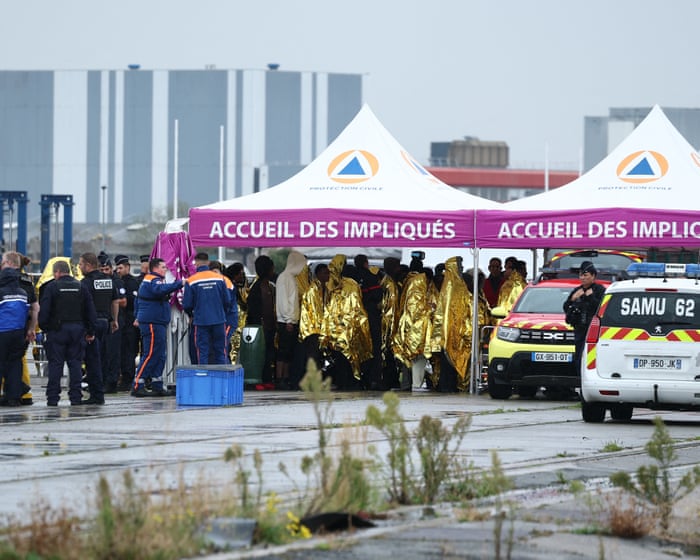
Real talk: the situation in the English Channel just got a lot darker. French authorities confirmed that three people—including a 10-year-old child and two women—died on Monday while trying to make the dangerous crossing from France to the UK.
The boat, a large inflatable dinghy carrying 105 people, got into trouble off the coast of Wissant, a village near Calais. While you’d usually expect the risk in these waters to come from drowning, officials are saying this incident was different. François-Xavier Lauch, the prefect of Pas-de-Calais, explained that the deaths were likely caused by crushing. It’s giving a horrific reality to the struggle, especially when you realize this happened in calm, clear sea conditions.
How we got here
These crossings are increasingly being handled by so-called “water taxis”—boats that arrive relatively empty before picking up passengers from beaches and heading into one of the world's busiest shipping routes. It’s highkey a massive operation run by people smugglers that keeps turning into a humanitarian disaster.
So far this year, at least 17 people have died in the Channel. While the total number of people attempting the crossing (18,609 so far) is actually down about 40% compared to last year, the danger remains at an all-time high. Last week alone saw three other bodies found after similar departures.
Why it matters
Beyond the heartbreaking human cost, the political gears are turning. Home Secretary Shabana Mahmood is set to announce the immediate reopening of a UK refugee resettlement scheme today, aiming to pivot toward "safe and legal" routes. The plan is to prioritize women and girls from Afghanistan and people from Palestine, hoping that by creating real pathways, the reliance on these deadly boat journeys might eventually fade. But for now, the plot thickens as the UK and France continue to navigate a crisis that seems to have no easy off-ramp.