Inside the 'black box'
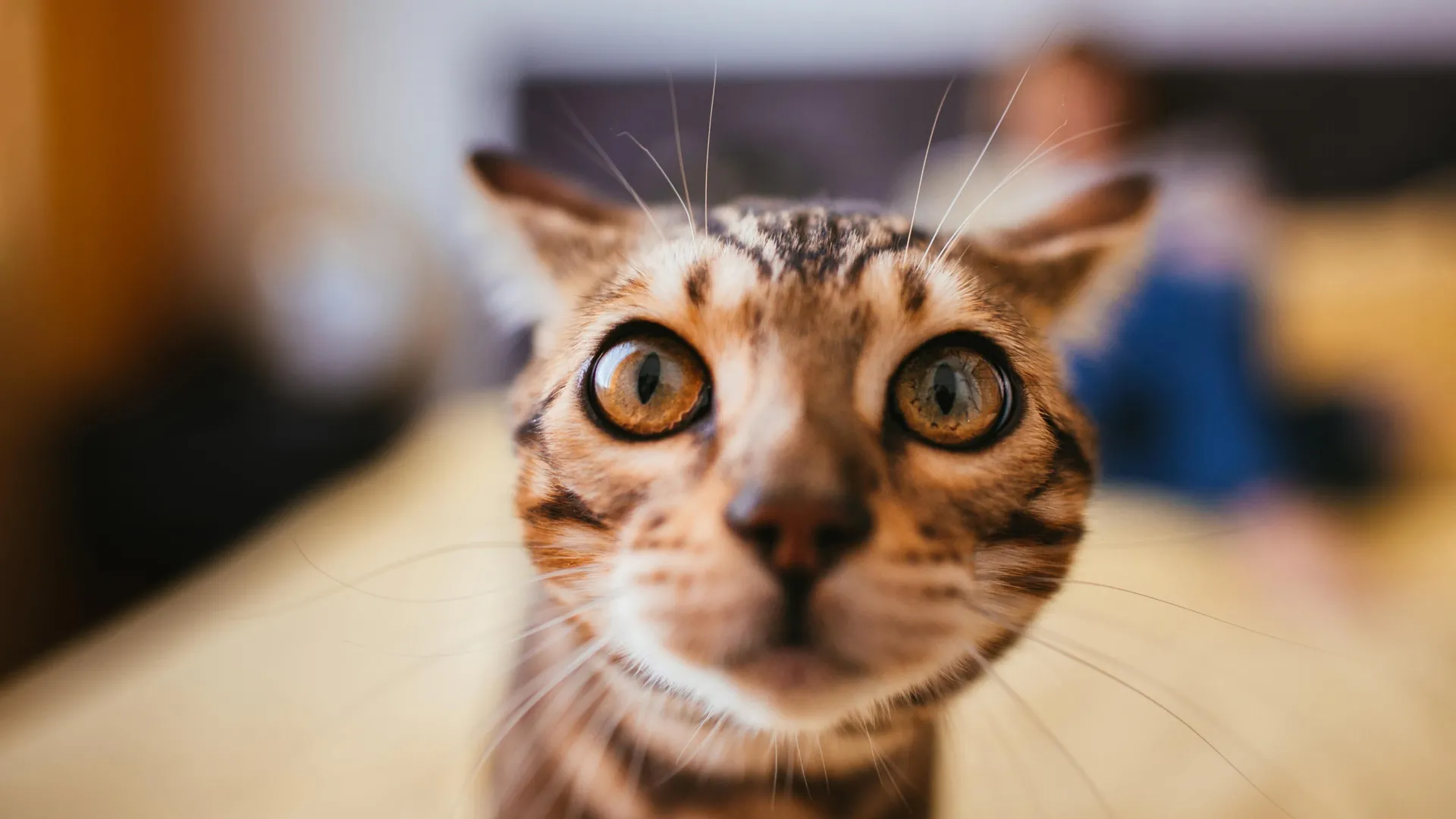
Real talk: we've known way more about cancer in humans and dogs than in our favorite house cats. For the longest time, the genetic mutations driving feline tumors were basically a total mystery. But a major new international study published in Science has finally cracked that open, analyzing nearly 500 tumor samples from cats across five countries.
The FBXW7 connection
Researchers found that many "driver genes"—the ones that cause cells to go rogue and multiply uncontrollably—are shared between cats, dogs, and humans. The standout? A gene called FBXW7. It showed up in over 50% of the aggressive mammary (breast tissue) tumors they looked at. In humans, mutations in this same gene often signal a tougher road for prognosis, which is a major W for comparative research. The team also spotted similar genetic patterns in cancers affecting the blood, bones, lungs, and skin.
Precision oncology: A two-way street
This is where it gets interesting. By identifying these mutations, doctors might eventually move toward "precision oncology." Instead of a one-size-fits-all treatment, therapy could be tailored to the specific genetic profile of a tumor. Because cats and humans share the same environment—think air quality and household chemicals—studying how our pets get sick could lowkey help us understand our own risks. The study found that certain chemo drugs actually worked better on feline tumors with specific mutations, though it's important to flag that this was only in tissue samples, not living patients. It's a huge step, but still early days.
Why it matters
The study supports the "One Medicine" philosophy, which argues that human and veterinary science should be besties. If we can share data between fields, we can speed up the development of better, more personalized cancer treatments for everyone. Plus, the researchers made their massive genetic database free for other scientists to use, which is a total boss move for the future of feline medicine.