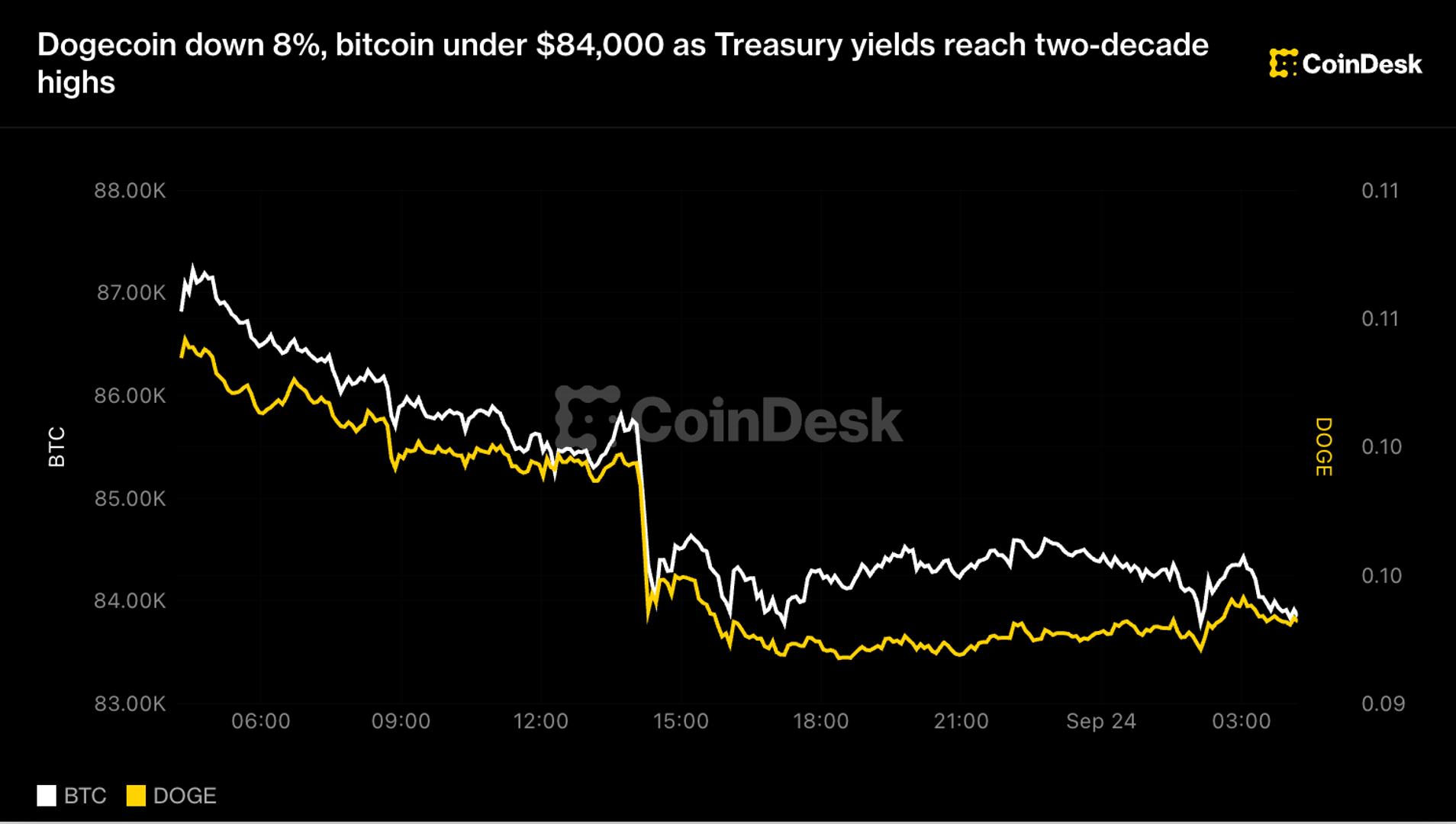
The technical breakdown
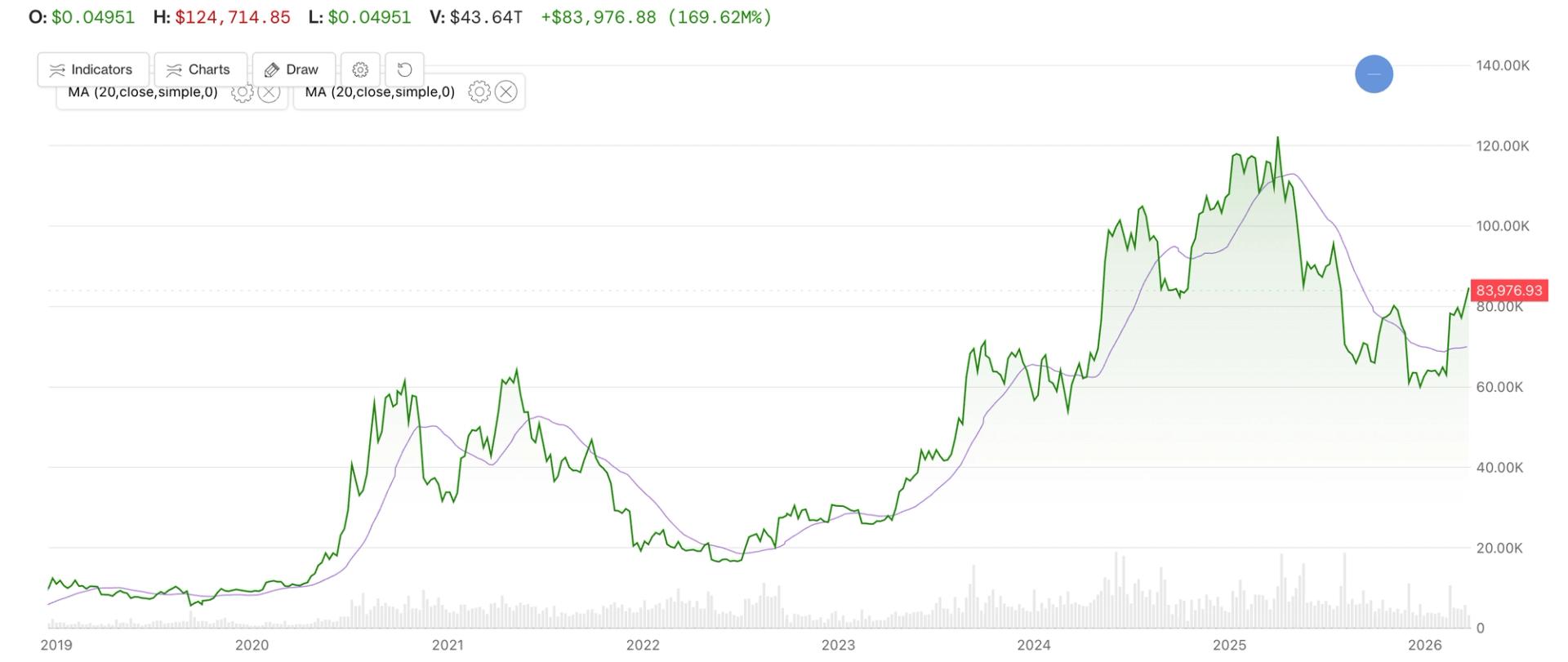
Real talk: your crypto bags might be looking a bit healthier. Bitcoin (BTC) just pulled a major move by crossing above its 365-day rolling simple moving average for the first time in 310 days. As of September 22, the price climbed past that threshold, which was sitting at about $80,900.
This signal is definitely giving bullish energy to the charts, according to Ryan Horst and Joni Zhuleku, founders of Altcoin Pro. Historically, when BTC clears this specific line after hanging out below it for at least 90 days, the long-term price action has been wild. In five past cases, the asset was higher a full year later, with gains ranging from a modest 59% to a massive 1,400% (though that 2012 stat is from back when BTC was a total fringe asset).
Not a crystal ball
Before you go full degen, remember this: the market is a chaotic place. Horst warned that this isn’t a guaranteed ticket to the moon. When they looked at instances where BTC didn’t stay above the line for long, there were some brutal “failed breakouts” in 2018 and 2022 where prices dropped between 27% and 59% in just three months.
“This September’s move is encouraging, but we want to see it hold,” the duo noted. “It is a signal, not a guarantee.”
The 'Golden Cross' debate
Technicals are catching a lot of eyes right now. Bitcoin also hit a “golden cross”—where the 50-day average crosses above the 200-day—on September 8. While some traders think these signals are just vibes and noise, the Altcoin Pro team thinks this one feels different because of the long period the asset spent in the trenches below the 200-day line before finally breaking out.
At the end of the day, moving averages are just looking at where price has been, not predicting the future. The 200-day average is arguably a better gauge for the current market pulse than the 365-day, which is just catching up to stuff that happened months ago.
Why it matters
Watching moving averages can give you a better sense of market trends, but remember: past performance is never a guarantee of future gains. Never invest more than you can afford to lose, and always DYOR—nothing here is financial advice.