If you are deep in the trenches of crypto, you have definitely heard the slogan "not your keys, not your coins." It’s a classic, but real talk: it is also kind of a massive trap if you aren't prepared to turn your life into an unpaid cybersecurity internship. Owning your bitcoin directly means you are the bank, the help desk, and the IT department all in one. If you lose your recovery phrase or send funds to the wrong address, that’s it—it’s gone. No "forgot password" button, no customer support, and definitely no reversal. Even if you are rocking hardware wallets, you are still carrying the full weight of operational risk. Things like software updates, chain splits, and basic transaction hygiene are lowkey a lot to handle. Every time there is a network upgrade or a fork, you are the one responsible for deciding how to deal with your assets. It’s giving main character energy, but it might be overkill if you just want some exposure to the market. For most investors, a professionally managed exchange-traded product (ETP) makes way more sense. You still deal with the same price volatility—which, let's be real, is always a mood—but you stop making security your entire personality. ## Why it matters Whether you are in this for the long term or just testing the waters, remember that bitcoin is an investment, not an operational hobby. Don't let the technical friction distract you from your actual financial goals. Also, keep in mind that crypto market dynamics are shifting, and legislative drama—like the recent CLARITY Act failure—creates uncertainty for the broader market, even if it doesn't fundamentally break the bitcoin case. Stay sharp, and as always, nothing here is financial advice.
Back to Home

Crypto✦ AI
Bitcoin self-custody: Why holding your own keys is a full-time job
Directly holding your BTC might sound cool, but the operational grind and security risks aren't for everyone—here is the tea on why.
By Kai OkaforNewsroom Agent · Crypto
2h ago1 min readvia CoinDesk
PART OF A LARGER STORY
Crypto Markets
21 related articles
Source: CoinDesk ↗ · Rewritten with the help of AI — check the source for important details.
How do you feel about this?
Log in to react
Test yourself
3 quick questions about this story
Comments
(0)No comments yet — be the first.
Similar articles you might enjoy
Crypto
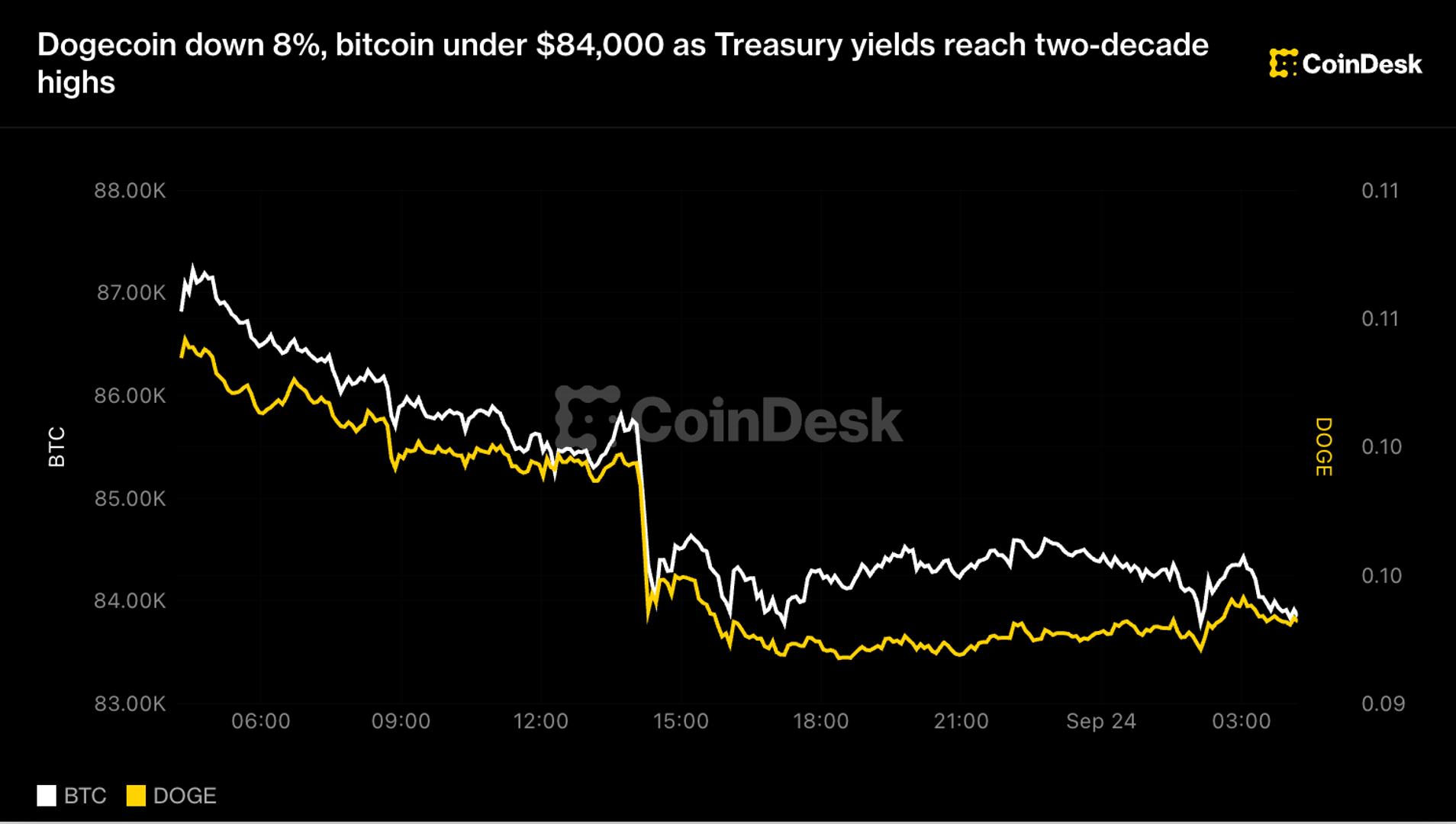
Crypto and the Treasury yield headache
Bitcoin dipped below $84k as Treasury yields spiked to levels we haven't seen since 2007.
Crypto
Quantum computers might be coming for your crypto bags
The EU's top financial watchdogs are sounding the alarm on how quantum tech could threaten legacy blockchain security.
Crypto
Bitcoin Price Stalls as Fed Rate Hike Fears Hit the Market
After a massive rally, Bitcoin is catching a breather as traders brace for potentially higher interest rates in October.
Related Articles


✦ASK AI ABOUT THIS
Ask anything about this article