Real talk: have you ever looked at the price of a prescription and wondered why it costs a fortune? It turns out it’s not just inflation; it’s a strategy. A new study published in JAMA just dropped some tea on how pharmaceutical companies are absolutely gaming the US patent system to keep you paying more for your meds.
The 'Patent Thicket' scam
Here is the lowdown: researchers looked at small-molecule drugs approved by the FDA between 1990 and 2019. Back in the day, the average drug had about 2.1 patents attached to it. By 2019, that number ballooned to 6.9.
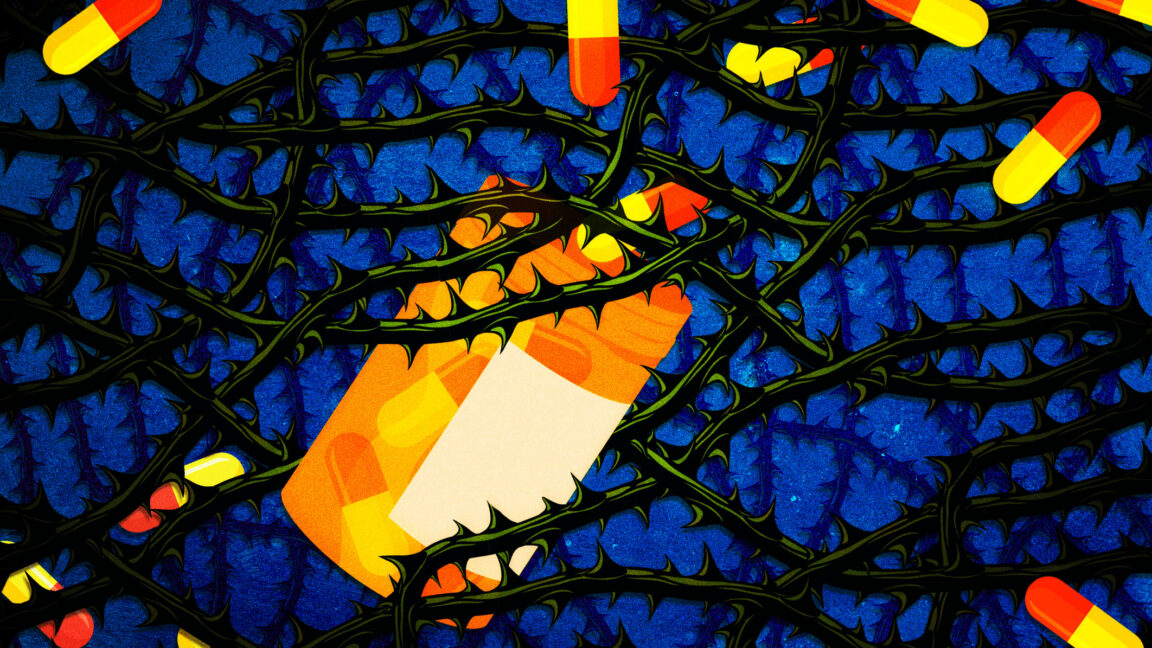
But here’s the kicker—most of these aren’t for the actual medicine. They are what experts call “nonprimary” patents. We’re talking about minor tweaks to non-active ingredients, a new color for a pill, or a slight design change to a delivery device like an auto-injector. These companies are piling these up to build what is known as a “patent thicket,” creating a legal nightmare that makes it almost impossible for generic, affordable versions of the same drug to enter the market. It’s giving… rent-seeking behavior, highkey.
Why it matters
Because of this patent-stacking, the average time a drug stays under monopoly protection has jumped from two years in 1990 to over six years by 2019.
S. Sean Tu, an expert in drug and patent law at the University of Alabama who led the study, explains that this is a major reason why Americans are paying way more for prescriptions than people in other wealthy countries. While pharma companies claim these patents are about innovation, the numbers show they are mostly about extending their time to charge maximum prices without actually bringing anything new to the table. The researchers are pushing for serious reform, including stricter USPTO oversight and potential legal consequences for companies caught abusing the system. Until then, the plot thickens for your wallet.