The Grid Glow-Up
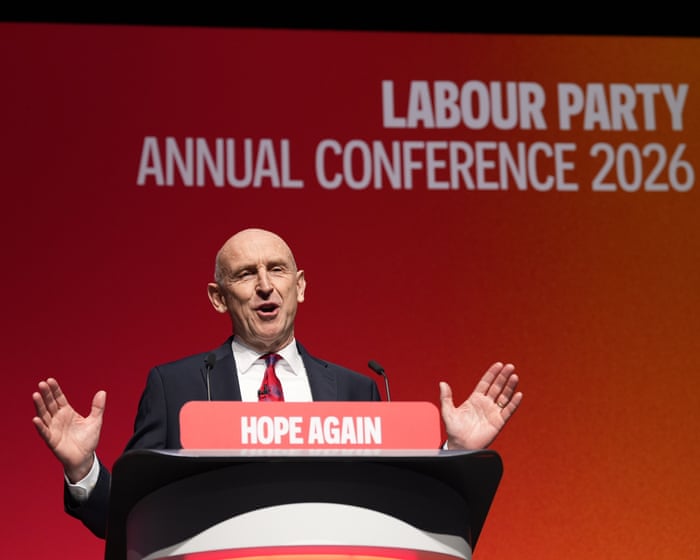
Real talk: the current state of Britain’s electricity grid is a major L for businesses and anyone tired of high energy costs. Labour leader and Prime Minister Andy Burnham is hitting the stage at the party conference in Liverpool today to drop a serious fix: a new state-owned entity called the Great British Grid.
The mission is simple: speed up connections. Right now, way too many projects are stuck in limbo waiting for a hook-up. By introducing a new competitor to the three private companies currently running the show, Burnham wants to break the deadlock and get the UK’s energy costs competitive with our European neighbors within the next decade.
The Money Side
How is he paying for this? The funding for the GB Grid is getting pulled from the existing budget of GB Energy, the public green investment firm based in Aberdeen.
Beyond just building new infrastructure, the government is making it easier for businesses to finance their own connection projects. The GB Grid will act as a partner, potentially co-investing to get things moving faster. This is highkey necessary, considering regulator Ofgem says the grid needs about £70bn in upgrades between 2025 and 2031 just to handle the shift to renewables like offshore wind. That’s a massive 4x jump in investment.
The Plot Thickens
This announcement is a key part of Burnham’s "serious prospectus" for Britain, but it comes as he faces a tough Budget next month. Interest rates are making government borrowing more expensive, which is lowkey narrowing his options.
There’s also some drama brewing regarding the "triple lock" on state pensions. While ministers aren't giving direct answers, Chancellor John Healey isn't guaranteeing the policy will survive for the next election. If the government tries to move that money into free social care services, they might face a major backlash—Unite union boss Sharon Graham is already calling any cut to the triple lock "electoral suicide."
Why it matters
If you’re worried about your cost of living, this is the story to watch. High energy costs are absolutely crippling for the economy, and fixing the grid is the first step toward lower prices and more reliable power for everyone. Plus, the political tension over how to fund social care is a major signal of where the government’s priorities are headed.