The plan is set
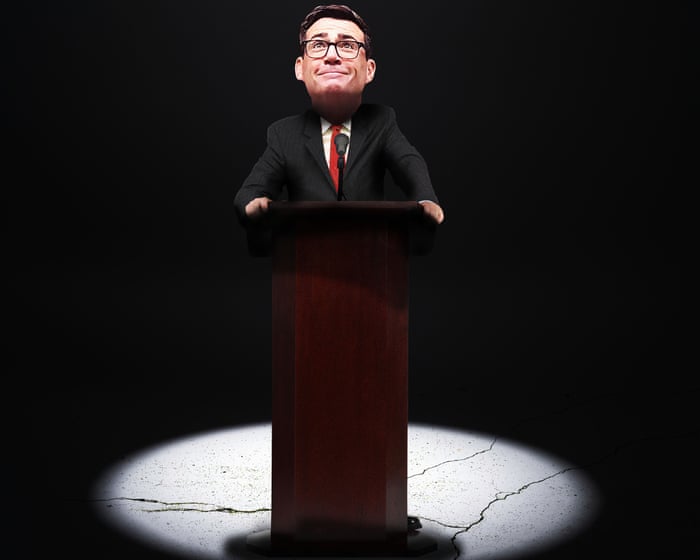
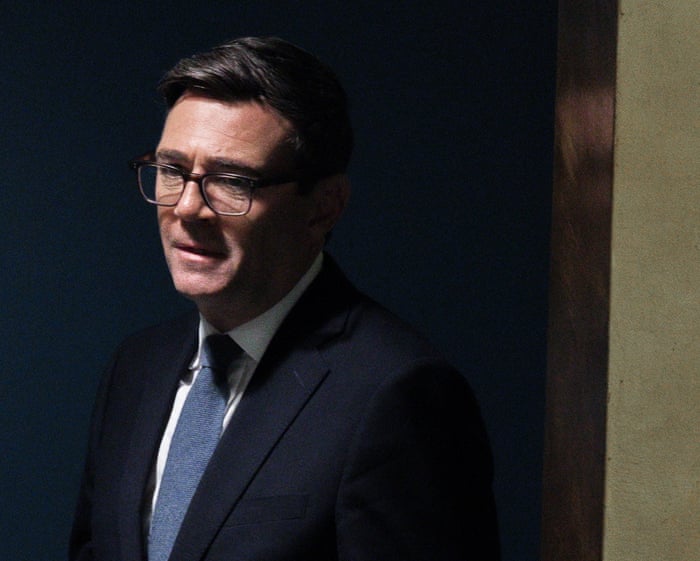
If you were waiting for a snap election, you might want to adjust your calendar. Prime Minister Andy Burnham has officially squashed the noise, confirming that the next general election won’t happen until 2029. After a week of chatter that Labour’s fresh momentum in the polls might tempt the PM into an early contest, Burnham made his stance clear during a regional media blitz on Friday: he’s choosing to focus on the work rather than chasing political clout.
Why the hype?
Speculation started bubbling up because Labour recently climbed into the lead, with support sitting in the low 20s while the Conservatives and Reform remain neck-and-neck behind them. Some Westminster types were highkey pushing for a snap poll, but the math is messy—even with the opposition split, Labour could risk its majority and get stuck in a coalition. Talk of an early vote intensified after Chancellor John Healey brought on Ravinder Athwal, the economist behind Labour’s 2024 manifesto, as a senior adviser. It’s giving campaign prep, but Burnham insists he’s just focused on delivering.
Moving forward
Burnham is keeping his eyes on the prize: the upcoming Labour conference in Liverpool. He’s already teased that he plans to drop new details on a public-control model for the water industry, a move aimed at fixing what he calls a system that hasn’t been “good enough” for the last 30 years. He also reconfirmed that he’s keeping his distance from The Sun, sticking to his boycott in solidarity with the victims of the Hillsborough disaster.
Why it matters
Burnham’s arrival has been a total W for Labour’s popularity, with new polling showing left-leaning voters are flooding back to the party to keep Reform UK at bay. By ruling out an early election, Burnham is trying to signal that he’s focused on the long game rather than rolling the dice for short-term gain.