The tea on trade
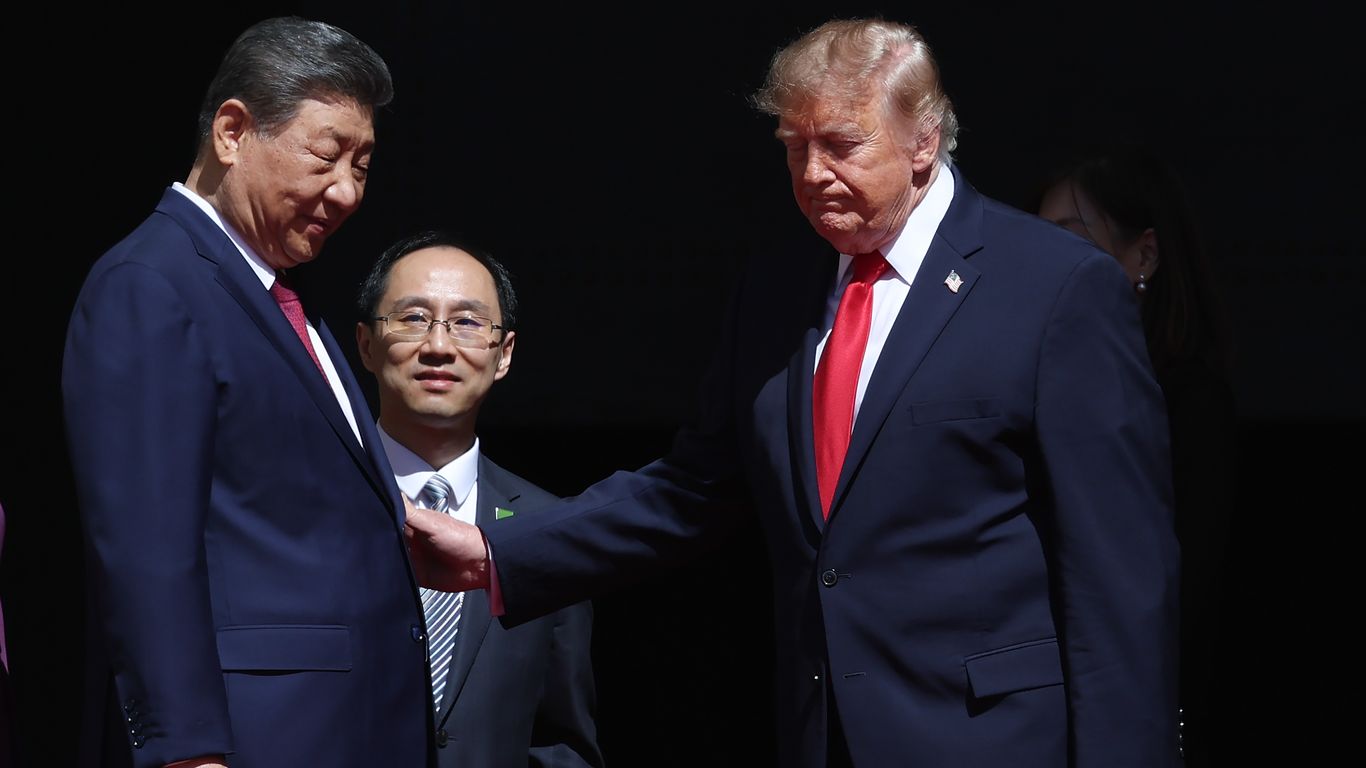
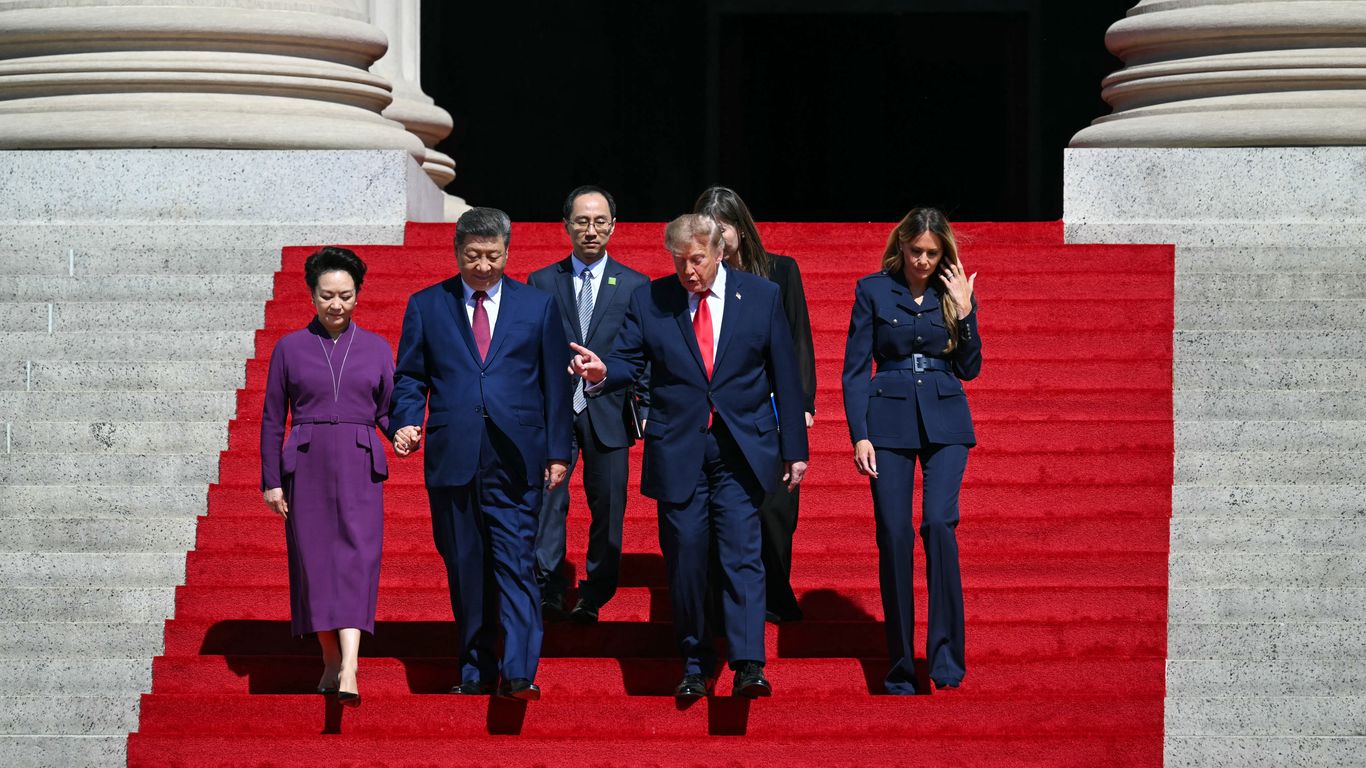
It’s official: The U.S. and China have finally reached a breakthrough. After a major summit this week between President Trump and Xi Jinping, the White House confirmed a new $30 billion deal to drop tariffs on a wide range of "non-sensitive goods." It’s giving major progress after a brutal trade war that lowkey wrecked the economy last year.
What’s changing?
If you've been feeling the inflation pinch at the store, this is big news. China has agreed to lower its tariffs on U.S. agricultural goods, seafood, wood products, cosmetics, and medical devices.
In return, the U.S. is cutting tariffs on small appliances, toys, holiday decorations, and kids' car seats. The deal also includes a massive uptick in energy logistics: China committed to importing 10 million metric tons of U.S. coal in both 2027 and 2028. For context, China used to be a top-five buyer of our coal before they slashed imports back in 2025.
The fine print
While this is a W for trade relations, the situation with rare earth minerals remains murky. These materials have been the main character of the dispute for a long time, but the White House fact sheet was pretty vague here. They basically said both sides are still "working on" supply chain shortages to ensure shipments return to normal levels.
Why it matters
This deal is a potential major pivot in the trade war. For you, this means the prices on everyday items like toys, holiday gear, and small appliances could finally stop skyrocketing. Real talk: if this holds, your wallet might get a much-needed break from the inflation stress we've been dealing with for months.