The situation
Real talk: post-Brexit trade is giving major friction. A new report from the IPPR thinktank suggests the UK is missing out on up to £6.5 billion in annual exports to the EU. The main villain here? A failure to get a mutual recognition agreement (MRA) for product testing. Basically, UK companies are stuck jumping through extra administrative hoops just to sell goods across the channel, and it’s hitting the national income hard—specifically, about 0.18% of it. That’s triple what the government expects to pull from its big trade deals with places like Japan, Canada, and Australia.
How we got here
Since 2021, the rules have been messy. Many companies have either just dipped entirely or are paying to set up subsidiaries inside the bloc to avoid the headache. The IPPR says if we had a deal where UK rules stayed in "dynamic alignment" with the EU, we could recognize each other’s product assessments and clear the lane for business.
So far, the government has tried to propose a single market for goods, but EU officials shut it down, citing their standard "no cherry-picking" policy. Meanwhile, Liberal Democrat leader Ed Davey is out here saying if they win, he’s ready to start talks to rejoin the EU single market and customs union to boost those growth vibes.
Who gets hurt
It’s not just abstract numbers; specific sectors are taking an L:
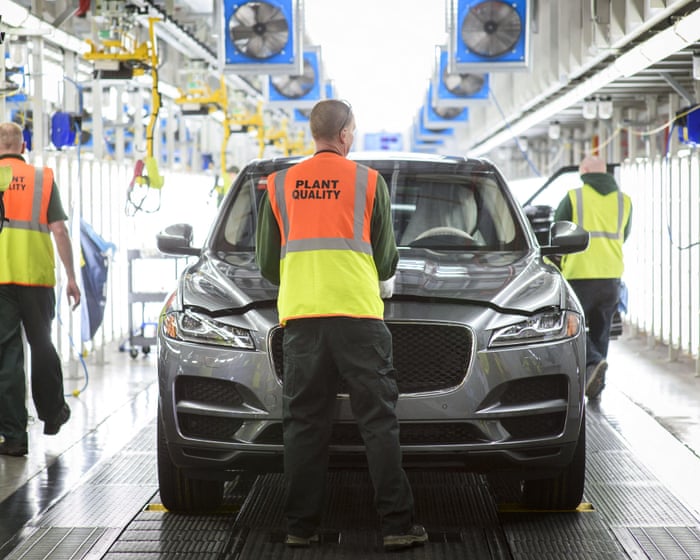
- Motor vehicles and parts: Lost out on up to £3.42bn per year.
- Electronics: Missing up to £1.67bn.
- Pharmaceuticals: Down by up to £820m.
Economist Joseph Sassoon, who co-authored the study, noted that they filtered out other noise like Covid, energy shocks, and sanctions to make sure these losses were actually about the regulatory barriers. It’s looking like a massive own goal for UK exporters.
Why it matters
Trade is the backbone of the economy, and right now, the administrative bloat is making it hard for UK businesses to compete. Without a deal to harmonize rules, that £6.5bn is staying off the table, making it a pretty rough time for the manufacturing sector.


