The Situation
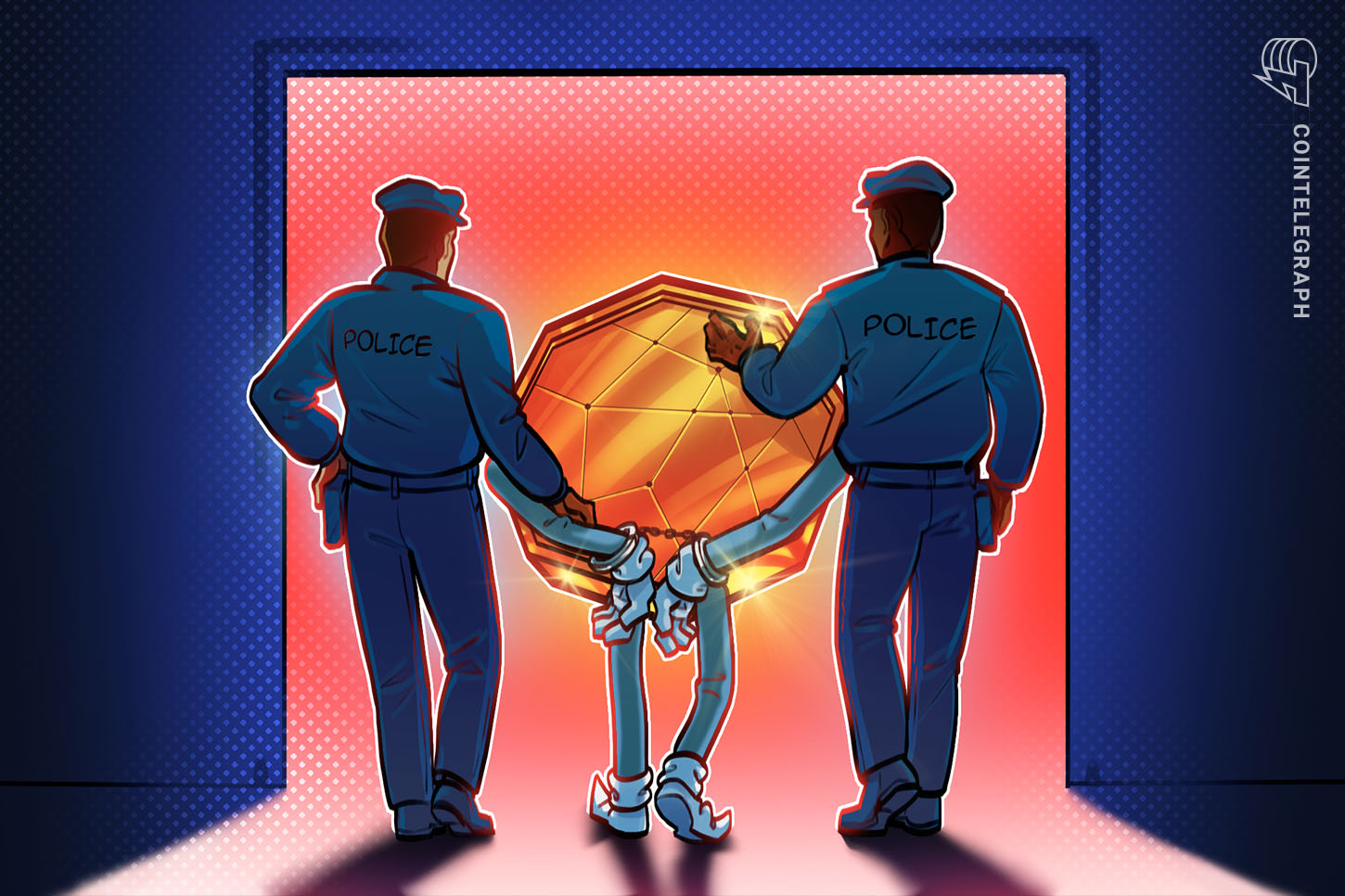
Stablecoin giant Tether is doing damage control after the U.S. government seized $89 million in assets from EQIBank, a lender it uses for banking services. The feds hit the bank via a civil forfeiture case against Capstone, a payment processor that EQIBank allegedly used to move funds through major institutions like Wells Fargo and JPMorgan Chase. Prosecutors claim Capstone lied about its business dealings to those banks, and now that $89 million stash—about 80% of EQIBank’s monetary holdings—is locked up, leaving the lender at risk of liquidation.
The Tether Connection
Tether is moving fast to make sure holders know their bags are safe. A spokesperson told CoinDesk that Tether had "no knowledge" of the shady stuff Capstone was allegedly doing. They also clarified that Tether’s exposure to EQIBank is tiny—less than 0.034% of the group’s total assets. Based on their June reports, that’s roughly $64 million. While that sounds like a lot to us, for a company holding $187.75 billion, it’s practically a rounding error. They confirmed they use the bank for things like processing wire transfers for USDT redemptions, but emphasized that their reserves and the dollar peg are not under threat. Real talk: it’s giving a major heads-up about how interconnected and messy the traditional banking rails can be for crypto.
Why it matters
Even if your USDT is fine, this situation highlights that stablecoins are still playing in the traditional finance sandbox, which comes with major counterparty risks. When the banks they rely on hit a wall—or a lawsuit—it reminds everyone that centralized infrastructure is the weak link in the chain. Keep your eyes peeled and remember: this is not financial advice, so always do your own research before jumping into any position.