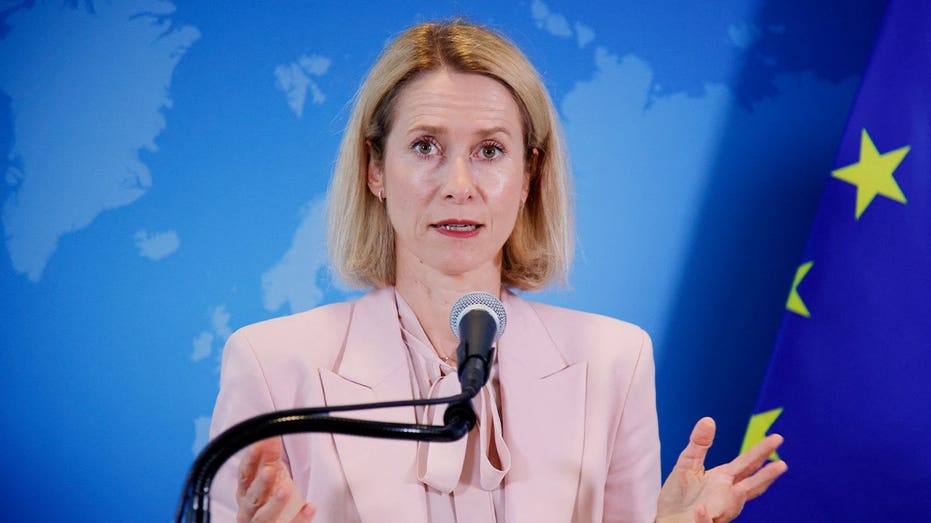
The vibes across Europe are tense, and Kaja Kallas, the European Union’s high representative for foreign affairs and security policy, is keeping it 100 on the situation. Speaking on the sidelines of the U.N. General Assembly, Kallas warned that Russia is actively trying to scare the West into pulling support for Ukraine. Her take? If we back down now, it’s just going to invite more chaos.
The personal stakes
For Kallas, this isn't just geopolitical jargon. She spent the first 14 years of her life under Soviet rule in Estonia. Her family’s story is heavy: In 1949, her mother, Kristi, was just a six-month-old infant when Soviet authorities deported her family to a prison camp in Siberia. They were stuck there for about a decade. Growing up with that reality is why Kallas is lowkey one of the most vocal critics of Moscow in Brussels today.
Is an invasion coming?
There’s been a ton of discourse about whether Russia is prepping for a full-scale invasion of NATO territory, especially with recent drone incursions and suspected sabotage. While some officials in the Baltics—including Estonian Foreign Minister Margus Tsahkna—say their intelligence doesn't show an imminent attack, Kallas is keeping her guard up. She argues that Moscow’s current brand of "hybrid" warfare, like sabotage, is meant to test how much we’re willing to invest in our own defense. "Their goal is to intimidate us from not supporting Ukraine," Kallas said. "What is important for us is that we are not afraid."
What this means for you
Kallas is pushing for a united front between the U.S., the U.K., and the EU to force Russia to the negotiating table. She says Moscow is currently "just playing games" regarding peace talks. Her message is that if the world’s biggest players move together on sanctions and defense, it might be the only way to make the Kremlin take peace seriously. Until then, she says the bombing of civilians needs to stop before any real talk can happen.
Why it matters
Whether or not you’re following the war in Ukraine, the outcome of these diplomatic power moves determines how stable the global economy and international security will be for our generation. Kallas is essentially arguing that staying strong is the only way to prevent a much larger conflict down the road.