The backstory
Real talk: The way federal investigations handle data privacy is once again under the microscope. We’re looking at a major development in the fallout from the work of former Special Counsel Jack Smith. While the dust has been settling on his various probes, new whistleblower documents have hit the desk of Senate Judiciary Committee Chairman Chuck Grassley, and the plot thickens.
What went down
It turns out that when Smith’s team subpoenaed the National Archives back in 2023 for records associated with 87 White House phones from the first Trump administration, they weren’t just capturing government business. The records ended up containing communications between White House officials and nearly 50 journalists from some of the biggest names in media.
We’re talking about a massive list of outlets, including Fox News, CNN, CBS, NBC, CNBC, The Wall Street Journal, The Washington Post, Bloomberg, the LA Times, Reuters, AP, and NPR, among others. It’s giving major overreach vibes, according to GOP lawmakers who are now questioning how the Department of Justice handled the filtering process for privileged information.
The fallout
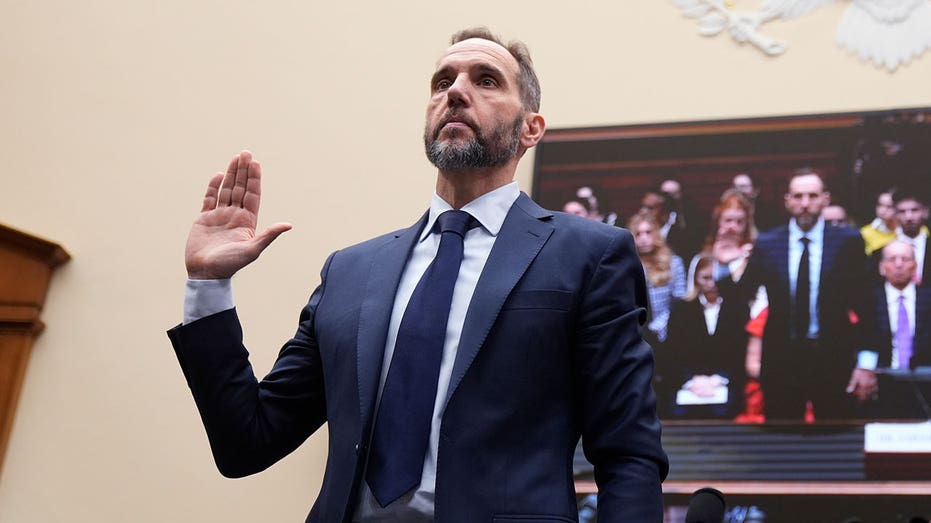
House Judiciary Chair Jim Jordan is already pushing for accountability, even issuing a criminal referral against Smith. He claims the former special counsel misled Congress under oath about whether he obtained text messages from lawmakers—evidence suggests he actually snagged data from 44 members of Congress.
Senator Grassley isn't holding back, calling the situation "disgraceful government overreach." The core issue here is the Speech or Debate Clause and the protection of sensitive sources. Basically, people want to know: who actually checked these messages for privilege before investigators dove in? So far, the committee is holding the names of the specific journalists involved for privacy reasons, but the pressure is highkey mounting ahead of today's Senate Judiciary hearing.
Why it matters
When federal probes start scooping up communications between government officials and the press, it raises massive red flags about the independence of the media and the boundaries of legal investigations. If the "filtering" protocols were mid or non-existent, it creates a serious trust issue that could ripple through future legal battles.