The receipts are in
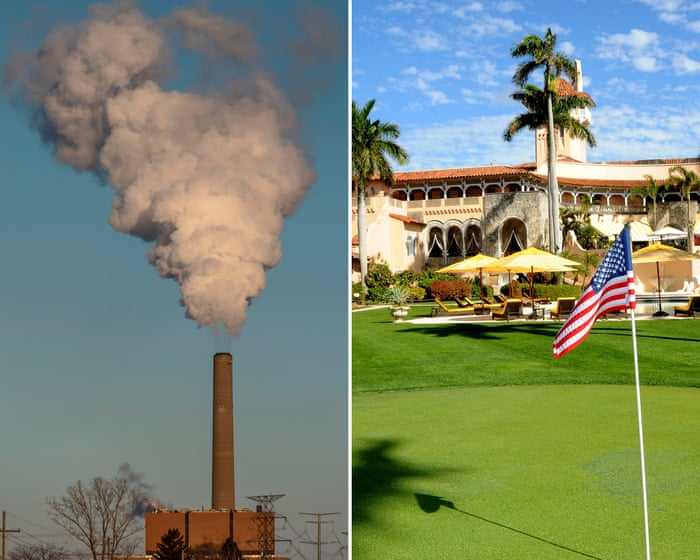
Real talk: a new report from Senate Democrats is painting a super messy picture of the relationship between fossil fuel giants and the Trump administration. According to the investigation, led by Senator Sheldon Whitehouse and Senator Chuck Schumer, the fossil fuel industry landed a massive $190 billion in tax breaks and subsidies over the next decade. The report alleges this was essentially the result of a "bargain" made during an April 2024 fundraiser at Mar-a-Lago, where the former president reportedly asked for $1 billion in contributions in exchange for deregulation and tax relief.
The plot thickens
The report claims industry execs didn't just write checks—they essentially got their people on the inside. It notes that 26 senior officials across agencies like the EPA and the Department of Energy previously worked for polluting industries.
What this means for you: Your wallet is potentially taking a major L. The study suggests that these policies—including the One Big Beautiful Bill Act—could force Americans to shell out at least $580 billion in extra fuel costs over the next 30 years. On top of that, households could see their energy bills rise by up to $192 annually by 2035.
The cleanup cost
It’s giving major 'main character energy' to the industry, but at a cost to the public. The report claims the administration has actively stifled competition from green energy, including paying out $1.8 billion in taxpayer funds to cancel wind projects.
Beyond the direct costs, there’s the health side. The report estimates that fossil fuel-related pollution and climate-related damage costs the country roughly $820 billion every year. That averages out to about $2,500 in additional health costs per person annually, which insurers inevitably pass on to everyone.
Why it matters
The White House is hitting back hard, calling the report a "useless partisan" move and claiming the administration is focused on lowering costs through infrastructure reform. However, the findings highlight a massive tension: while the administration claims its "energy dominance" agenda is a win, critics argue that the public is footing the bill for a private sector power play.